This pest can invade your Ohio home and wreak havoc. How do you get rid of them?
Termites. Spiders. Ants. Cockroaches.
These are many of the common pests that can be annoying or a big nuisance when you see them in your homes.
But one pest that’s not as commonly known also lurks in Ohio houses, can form hives and cause major damage in your home.
What’s the worst pest in Ohio?
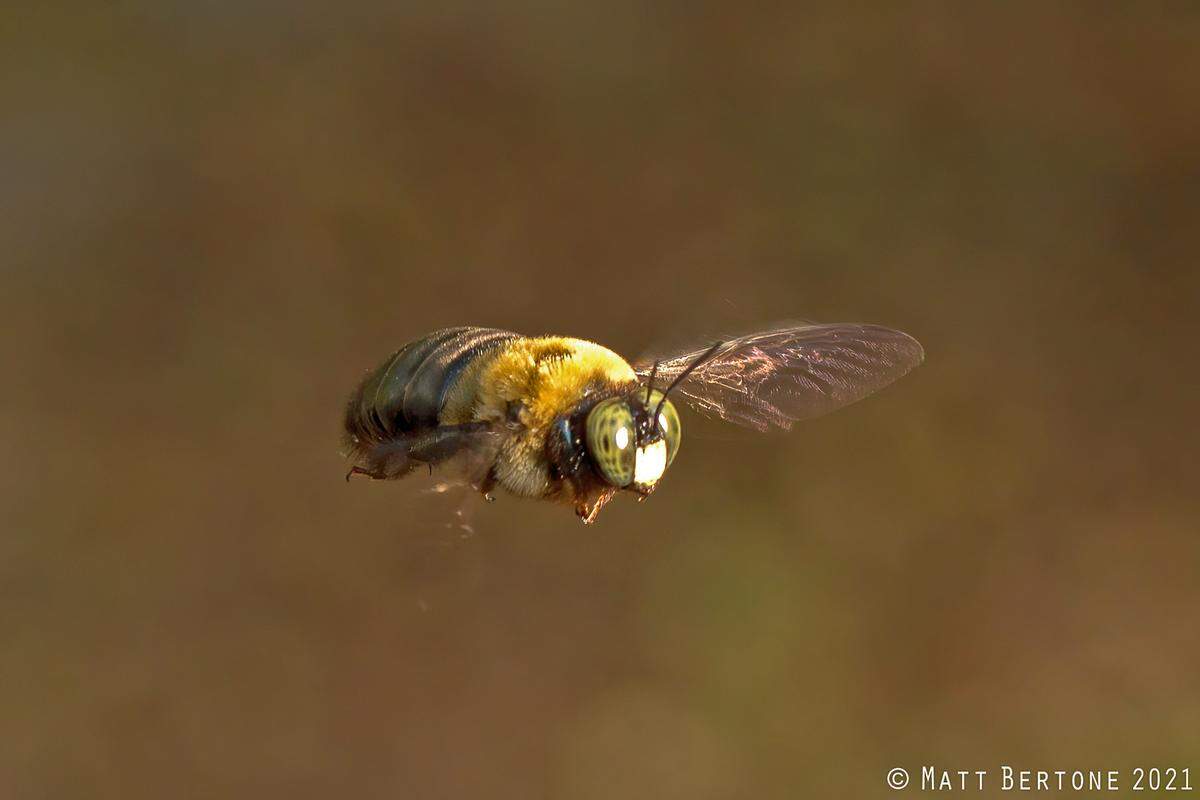
They buzz, they’re yellow and black, they’re carpenter bees.
According to a 2023 study by Groundworks, carpenter bees are the No. 1 pest in the state that cause the most damage to Ohio homes.
The little buzzing bees are also the worst home-destroying pest in Indiana, Kentucky, Missouri, Georgia and Tennessee.
What kind of damage can they cause?
“Carpenter bees bore holes into the wood of your home. Their damage won’t be as severe as a termite infestation. However, there could be secondary consequences,” according to Groundworks.
Secondary damage includes mold growth from rainwater getting in the holes.
The damage done by carpenter bees can also attract other predators such as woodpeckers, which can also greatly damage your home.
How to tell if you have a carpenter bee hive
Carpenter bees are large bees with a shiny black abdomen. Male carpenter bees don’t sting, but females do, although it is rare.
According to Groundworks, these pests make holes in wood, which can cause damage to the outside of your home or other property. They can even weaken the structure of your home.
Look for any holes or wood damage. You may also find a nest nearby, but do not attempt to remove the nest on your own.
How to protect your home
According to Gardener’s Path, here are some ways you can rid your home of carpenter bees:
- Lay a trap. A trap consists of a wooden top with angled holes drilled into it and a plastic container or jar attached to the bottom. Because of the angle of the holes, the only light source comes from the bottom. The bees enter the hole, head for the light in the jar, then can’t get back out.
- Turn up some music. Bees communicate through vibroacoustics, and they can “hear” low frequency sounds of up to 500 hz. This makes them sensitive to vibrations, and they can be encouraged to vacate nests by playing loud music. Place the speaker right against the wall beside a nest of hive, and turn up the volume. Once the females have vacated, plug the hole and paint.
- Spray them. Use a liquid or aerosol product with an extension tube and apply directly into the hole. Application should be done at night while they’re resting, or in early spring before they emerge from hibernation.
- When all else fails, call a pest control expert.
This story was originally published September 14, 2023 at 10:13 AM.