These gross little critters will wreak havoc on your Ohio kitchen. How to keep them out
Just when you thought winter was going to give you a break from all the insect-related drama, sewer moths have to go and ruin all the fun.
“Sewer moth,” is the common name for what is scientifically known as a “drain fly,” part of the even more science-y family, Psychodidae.
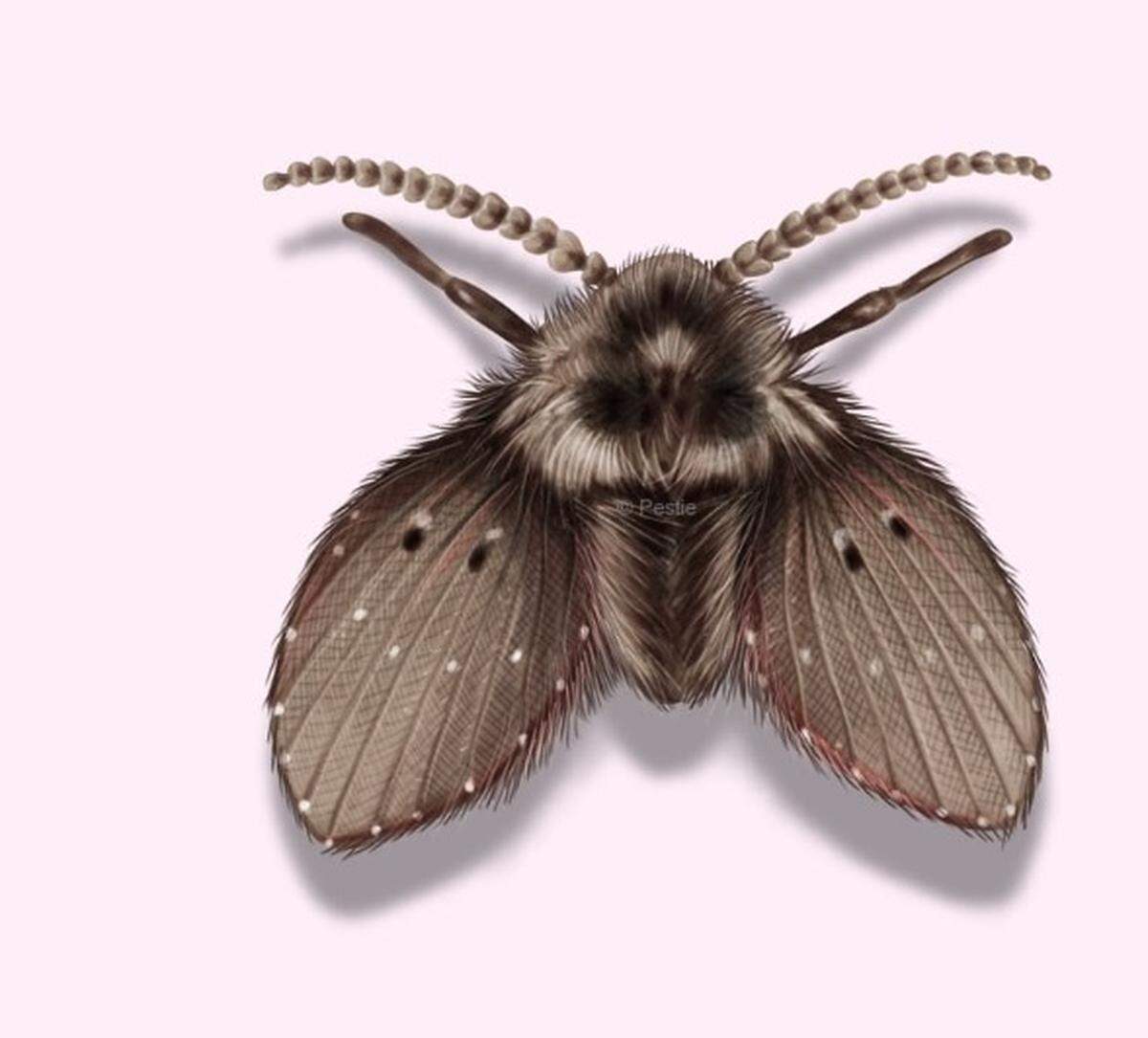
According to The National Library of Medicine, these tiny critters are typically 2-3 mm in size and are often confused with fruit flies or gnats, but differ in size, flight pattern and color. Sewer moths have a light gray or tan body; lighter-colored wings; and short hairy body and wings — which is how they acquired the “moth” nickname.
To get an expert opinion on how to manage these annoying little winter guests, Mahoning Matters chatted with Matt Rogers, bug-expert and CEO of the pest control company, Pestle.
Where are they?
Sewer moths, which are not moths at all, thrive in stagnant and standing water, often found in slow or clogged drains, hence the nickname.
They can also be found in other spots around your house:
rarely used toilets
refrigerator drain pans
areas with leaking pipes
sewage treatment plants
Septic tanks
Contaminated soil
Rogers says sewer moths breed and their larvae grow in warm, wet environments with decaying matter. Clogged drains can be a particular issue so making sure drains are cleared of food, human hair, pet fur, laundry lint, and other clog creators that create the ideal breeding ground for young drain flies/sewer moths.
What are the most effective methods for eliminating them?
Any methods that will unclog drains will be effective. If your drains are particularly clogged, you may need to call a plumber to have them remove clogs further out in the plumbing lines that lead from your home to the city sewers.
Prevention is also key.
Don’t let long hair or pet fur go down the drain
Avoid putting excess waste down the kitchen drain
Run the garbage disposal regularly
Scrape dishes before loading the dishwasher
Clear the drain line for the washing machine regularly
What products can I use that are safe for pets and kids?
Mixtures of vinegar, baking soda, salt, dish soap, followed by boiling water are recommended. Don’t put anything down your pipes that is going to damage the pipes.
If you are reluctant to put anything down your drain, you can resort to a more old-fashioned method. Country Living magazine suggests you can use tape over the drain or a clear plastic cup with vegetable oil or petroleum jelly to catch emerging adults.
What should I do to control a larger infestation?
If you notice a significant number of flies in your home, you may have a larger infestation, says Rogers.
If you start noticing the bugs in multiple places in your home, or there are more than a few here and there it could be a sign of a larger issue. The real problem is the clogs in the drain so eliminating those and keeping pipes flowing freely will help reduce issues with drain flies/sewer moths.
These little buggers have a life cycle of about 20 days, and they only breed once during this time, so treatment can be effective if you act quickly.
The upside is sewer moths don’t carry any human diseases, however they can trigger asthmatic reactions and are opportunistic agents of myiasis. Sewer moths also carry bacteria and other microorganisms, so they don’t make great housemates, and eradication is best.
For a directory of local pest control companies, you can check the Ohio Pest Management Association.