FOR THE HEALTH OF IT | What commuting by bicycle taught me about myself and my community
A few years ago, we were being encouraged to be tourists in our own towns.
National Geographic, USA Today and countless travel blogs caught on to the trend that unintentionally became the best (and only) way to find a new adventure in the time of a global pandemic.
All of these tips and tricks encourage us to view, experience and explore our physical environments differently: To go to new places, learn new things, interact with new people, taste new foods. But what about trying a new method of getting around?
I’ve lived in the Mahoning Valley all my life. I’ve made countless trips across the region on smooth, freshly paved highways and lunar-like graveled back roads. I know exactly how long it takes to get from here to there — both time and distance in the way that we midwesterners do — and what I can expect to see on the way.
But all of this changed — my mental map was erased, like someone picked up and dramatically shook an Etch-a-Sketch — when I opted to step out of my car and onto a bicycle.
A whole new world
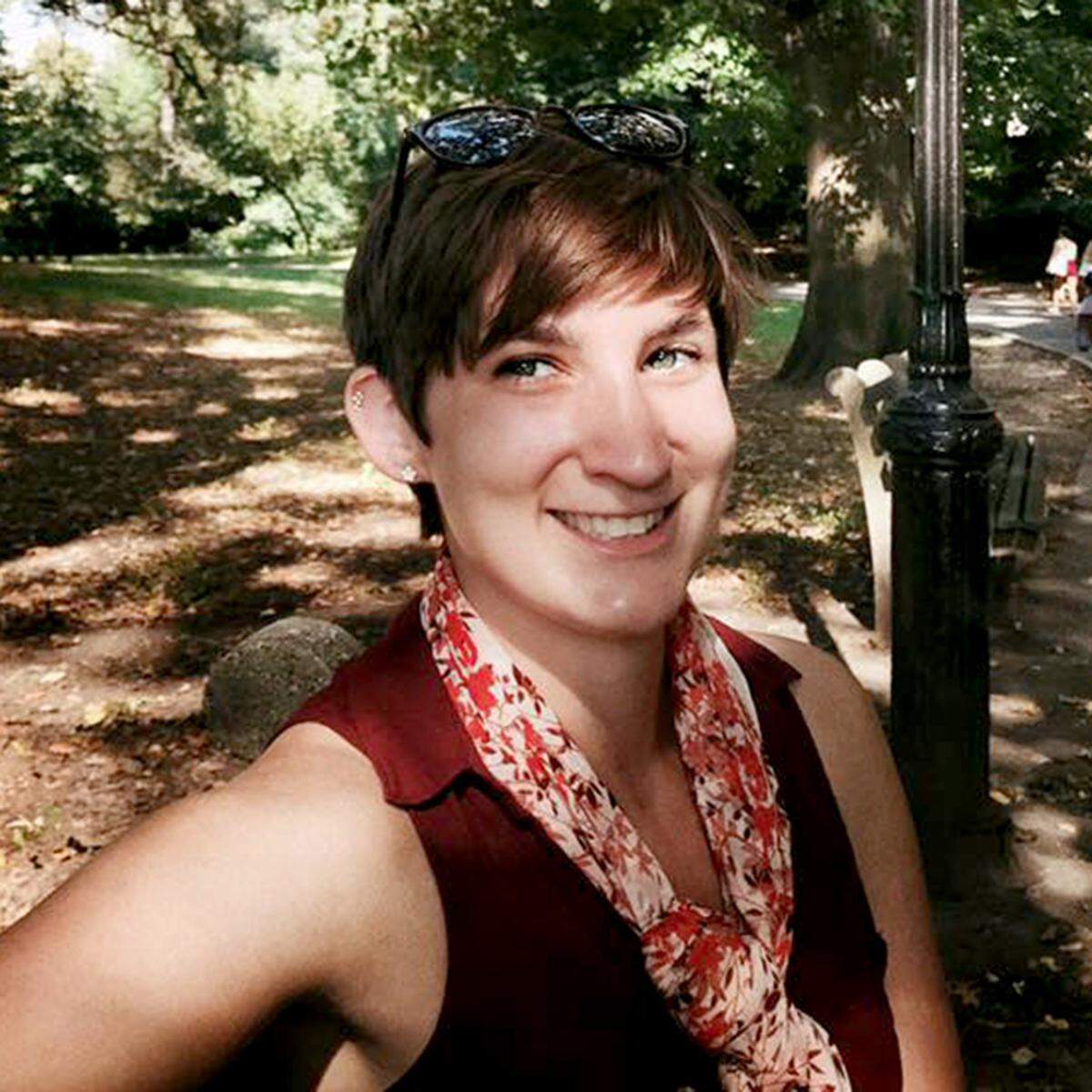
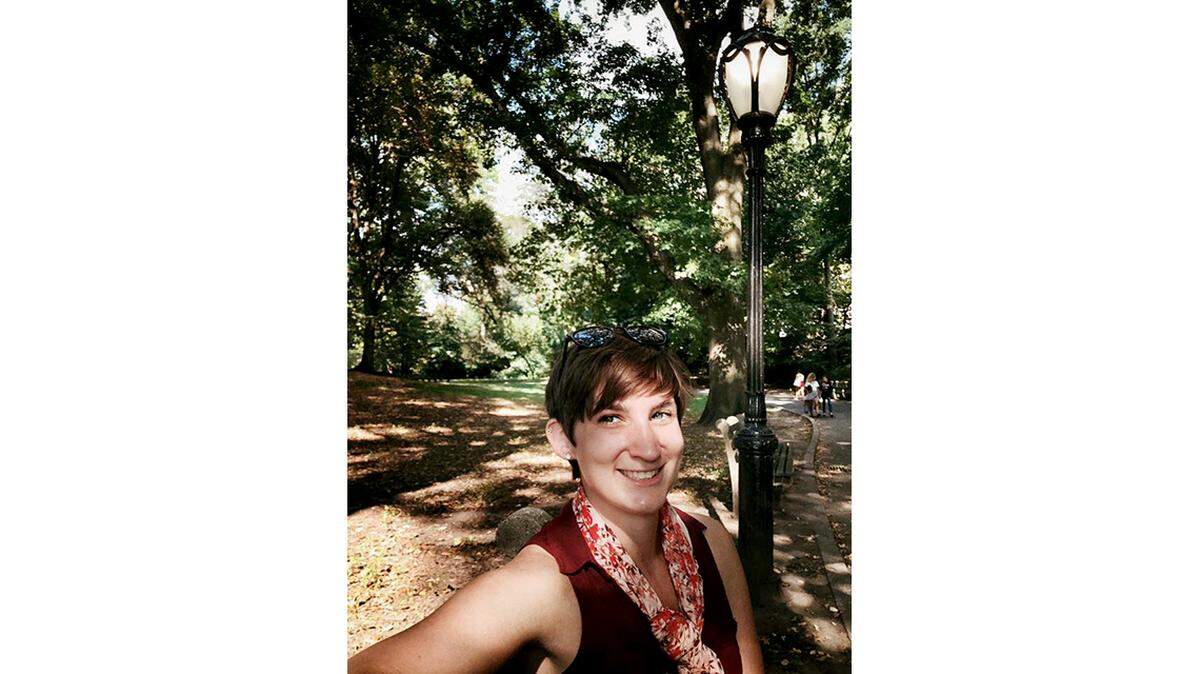
In the summer of 2021, to commemorate the shift from work-from-home back to my downtown Youngstown office, I decided to embrace some of the lessons of the past year and do things differently; break free of the “I’ve always done it this way” mentality. So, for the first time since I had a driver’s license, I rode my bike for transportation.
It was kind of terrifying. It was kind of exciting. And it was completely energizing.
Since that first day, I’ve made the same 5-mile round trip many times (accounting for nearly 100 miles traveled by bike versus by car). I’ve also noticed the benefits of starting my day with 15 minutes of exercise and fresh air — I could think more clearly, and I didn’t need nearly as much coffee to wake up.
But more importantly, I became more aware of the real-life, practical implications of the benefits of investing in improvements to the built environment that make it easier, safer and more feasible for people to travel using means other than personal vehicles. These types of changes offer benefits to just about everyone — for those who rely on walking, biking, rolling or riding for transportation, and for those who have a choice to make the more active choice.
Like the Tourist in Your Town movement suggests, when traveling by bike I was able to see the same old familiar sights with fresh eyes, like I saw them for the first time. I used this discovery to start to draw a new mental map. Destinations that seemed impossibly far apart, that only can be traveled to by car, actually weren’t. Storefronts that were previously unknown or invisible when passing by at 35 mph from point A to point B became obvious and inspired curiosity. And infrastructure conditions like pavement, lighting and signage — whether they be good, bad or ugly — became glaringly obvious.
How we move matters
Though brief, my time traveling on two wheels revealed how much potential there is to make better-connected and more active communities. But it also magnified the significant need to invest in our transportation infrastructure dramatically differently.
These changes are all connected to a movement often referred to as “active transportation.” The Ohio Department of Transportation defines “active transportation” as: “Human-powered transportation that engages people in healthy physical activity while they travel from place to place. People walking, bicycling, using strollers, wheelchairs/mobility devices, skateboarding and rollerblading are engaged in active transportation.”
Active transportation is a strategy communities use to address several concerning trends related to resident health as well as environmental and economic sustainability. That’s a lot to navigate, and may leave you with more questions than answers, like, “How does active transportation (whatever that means) make my life or my community better?” or, “What does riding a bike or walking have to do with economic opportunity?” or, “How is riding a big bus better for the environment than driving my much smaller car?”
Let’s start by looking at what’s closest to our hearts — literally — which is our health. Here are a few stats to keep under your hats, or helmets. First, more than half of an individual’s health is directly connected to social and environmental conditions that surround them. This includes things like access to transportation, steady employment that pays a livable wage, safe and affordable housing, healthy and affordable food and safe, connected streets and sidewalks.
According to the U.S. Department of Transportation, almost a quarter of adults across the country do not engage in regular physical activity. About 2 in 3 American adults report a weight status considered overweight or obese.
That’s a lot of people — about 82.5 million, to be exact.
The region’s most recent Community Health Assessment, which was conducted in 2018, gathered feedback from hundreds of residents in Mahoning and Trumbull counties by survey and a series of focus groups. Based that information, approximately 1 in 3 Mahoning Valley residents report a weight status considered overweight or obese. About the same number of residents reported not getting enough physical activity over a two-week period. The number of residents increases when looking more closely at respondents’ race and income. So, if you are an African-American or you make less than $25,000 annually, you are much more likely to experience barriers to health like this, among several others.
That’s tens of thousands of residents in the Mahoning Valley whose health — physical and mental — is impacted by where they live, the jobs they have and the way they have to travel from place to place.
So, back to the bike
The work that I do in that office I pedaled nearly 100 miles traveling to last year is to serve as the director of an initiative called the Healthy Community Partnership. The partnership exists to work with individuals and organizations who share a passion for and a commitment to making the Mahoning Valley a healthier, more equitable, vibrant community by removing barriers like those mentioned above. One of our focus areas is active transportation, and in the short time our partners have been active on this issue, so much has changed.
Over the last few years, several Mahoning Valley communities have developed Active Transportation Plans, like the cities of Warren and Niles, and Boardman and Howland townships. Specific corridors that connect our communities to each other and to economic opportunity have also been reviewed through an active transportation lens — a couple examples are the Belmont Avenue Corridor Plan and the Market Street Transit Oriented Development Plan.
We’ve made it to May, when we celebrate the end of April’s showers and the bright colors of May’s flowers. We also recognize and celebrate National Bike Month. Since it was established in 1956, Bike Month’s purpose is to lift up the many benefits of bicycling and encourage people to get back in the saddle for a ride. There are several opportunities to celebrate and participate in the excitement of traveling by bike like Bike to Work Week, May 16 to 22, or Bike to Work Day, May 20. For budding bicyclists, schools are encouraged to sign up for Walk, Bike & Roll to School Day, which can take place any day during the month of May.
This year, the League of American Bicyclists is celebrating National Bike Month by challenging people to go, to travel, to explore by bike and record their experiences by tagging their journeys #BikeThere. No matter the reason you ride — for recreation or to arrive at your vocation — every trip and every mile matters.
There are several community organizations and events coming up that will offer opportunities for riders of all ages and abilities. A couple local organizations to watch out for include the Out-Spokin Wheelmen, CycWard Bike Club, and the Rust Belt Revival Trail Coalition. So keep your eyes and ears open for opportunities that fit your level of comfort and curiosity.
Creating or incorporating active transportation principles, like bicycling, into a community’s planning process helps to prioritize projects that make streets safer and communities healthier and more connected. Accepting this challenge to plan differently, to experience familiar places differently, to travel differently opens up a whole new world of possibility. A world where everyone can get where they need to go more easily, more safely, more actively, and with more choice in how they get there.
You never forget your firsts
They say you never forget your firsts. The first cool, creamy coating of ice cream on your tongue on a sweltering sunny summer day. Your first kiss — fraught with nerves, knocking knees and sweaty palms. Your first bad grade or bit of biting of criticism — also likely fraught with nerves, knocking knees, and sweaty palms, maybe a dash of blushed cheeks to top it off.
First friends, enemies, partners, exes; first hellos and goodbyes. First scraped knees, surgeries, broken hearts, mended fences; first paychecks, houses, spouses, and babies.
All of these mini-milestones, moments that are over in an instant, but none of them forgotten.
I take first times, maiden voyages and pioneering attempts very seriously — sometimes, I worry, a bit too seriously. Once it’s over, it’s over — no replays or redos. So, it better be good, whatever it is.
A recent first time, a maiden voyage, and pioneering attempt that I still hold on to has to do with a near universal experience that represents limitless joy, thrill and freedom — and that shared inspirational sensation is riding a bicycle.
This story was originally published May 7, 2022 at 5:00 AM.