
Kids between 12 and 15 years old can now receive Pfizer COVID vaccine, FDA announces
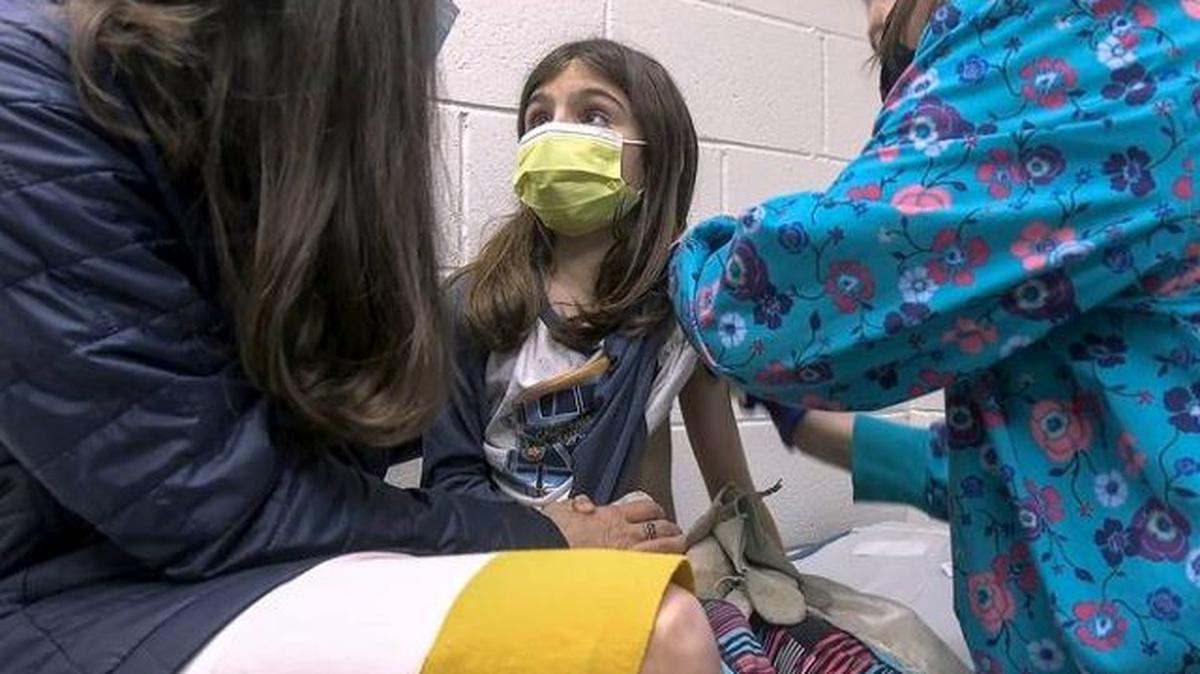
In a long-awaited decision, children between 12 and 15 years old can now receive the two-dose Pfizer-BioNTech coronavirus vaccine after months of research deemed the shot safe and effective for the age group, federal health officials announced Monday.
The U.S. Food and Drug Administration amended the Emergency Use Authorization already set for the shot — the first COVID-19 vaccine authorized in the U.S. — opening it up to millions of more Americans. Until now, only people ages 16 and older were allowed to get the vaccine.
Canada became the first country to authorize the Pfizer vaccine on Wednesday for children aged between 12 and 15.
Evidence shows children are more likely to have mild cases of COVID-19, while young kids are less likely to spread the virus than adults. But they can still infect others around them, and although rare, some kids may experience severe disease. Vaccinating children is also important when it comes to herd immunity — when enough people are immune to COVID-19 that the virus’s spread is unlikely.
“Now that we can vaccinate those kids, it’s going to make it much, much easier to get those kids back to school without the anxiety associated with whether or not there are going to be outbreaks at that level,” Dr. Anthony Fauci, President Joe Biden’s chief medical adviser, told NBC News’ “TODAY” last week.
The move stemmed from a late stage trial that showed the shot reduced risk of coronavirus infection in children 12 to 15 years old by 100 percent, meaning no vaccinated kids were infected.
It’s a stunning boost in protection against COVID-19 compared to people between 16 and 25 years old, who benefit from a 95 percent reduction in infection risks after receiving their second, final dose, the companies said in March.
Side effects were similar to those experienced in adults and included injection site pain (84 percent), fatigue (63 percent), headache (55 percent), muscle pain (38 percent), chills (32 percent), joint pain (24 percent), fever (14 percent), injection site swelling (10.5 percent) and nausea (1 percent).
No serious allergic reactions were reported among the 2,260 kids in the study with or without histories of past coronavirus infections.
The companies did not mention how well the vaccine worked against the more contagious coronavirus variants, but the variants have been spreading during the late stage trial period.
Pfizer and BioNTech have also vaccinated the first group of kids in their study of those between 6 months and 11 years old. This study is separated into three age groups: children aged 5 to 11 years, 2 to 5 years, and 6 months to 2 years.
All the kids in the study will “continue to be monitored for long-term protection and safety for an additional two years after their second dose,” the companies said.
Moderna announced in March that children between 6 months and 12 years old have started to receive its vaccine in a mid- to late-stage study. The company plans to enroll about 6,750 children in the U.S. and Canada.
This story was originally published May 10, 2021 at 5:41 PM with the headline "Kids between 12 and 15 years old can now receive Pfizer COVID vaccine, FDA announces."