
Our stay-at-home order goes into effect tonight
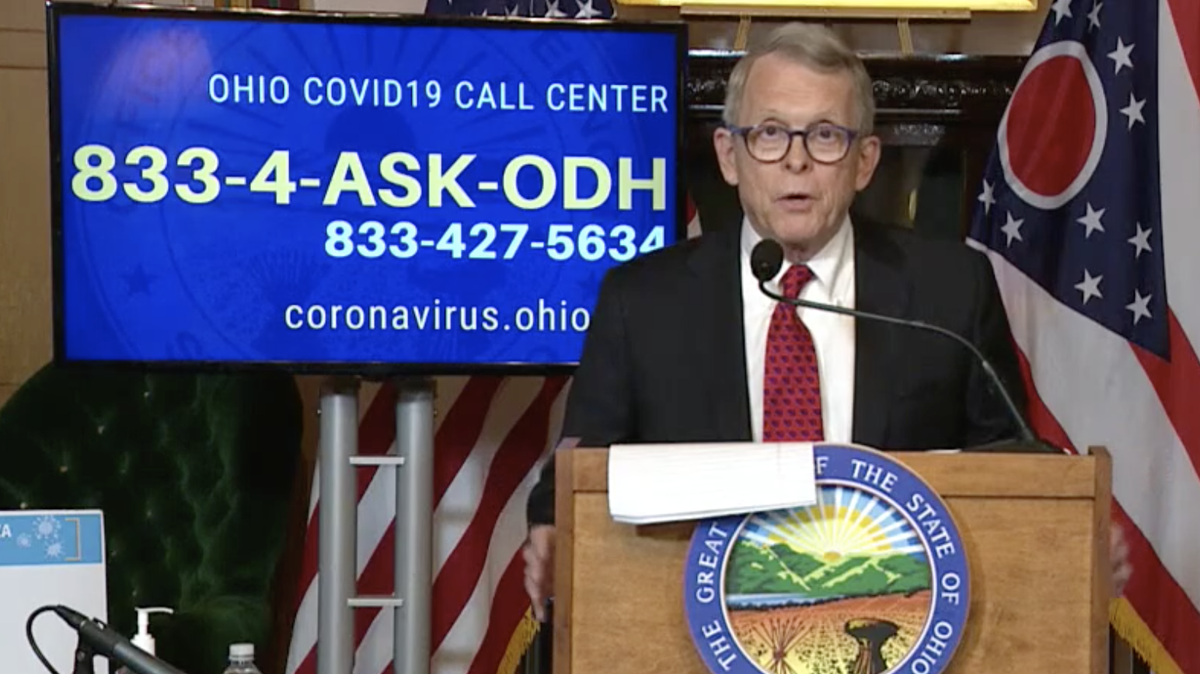
COLUMBUS — On Sunday, Gov. Mike DeWine announced a statewide health order for Ohioans to stay at home to prevent the spread of the COVID-19 virus. In other states, similar directives have been referred to as "shelter in place" orders.
Ohio Department of Health Director Dr. Amy Acton issued the order that would direct non-essential businesses to close and keep more Ohioans at home. The order will go into effect at 11:59 p.m. tonight and will remain in effect until April 6. Then it will be reevaluated, according to DeWine.
"We are at war," DeWine said. "In a time of war, we have to make sacrifices. I have asked the people of Ohio to make many sacrifices and I thank every one of you for what you are doing. You are making a huge difference, and this difference will save lives."
DeWine indicated some essential industries and businesses would be exempt from this order, which will be enforced by local health departments and law enforcement.
"This was not designed to be punitive, but this is a health order and not a health suggestion," DeWine said.
Dr. Acton reinforced the need for these new restrictions to staunch the spread of the coronavirus.
"We have to do everything we can do to protect the people on the front lines," Acton said. "They make sure we have the food, medicines and health care we need. We need to protect them so they can protect us."
The number of confirmed coronavirus cases in Ohio significantly increased for the second day in a row on Sunday. According to the latest figures from the Ohio Department of Health, the state is reporting 351 confirmed cases of the coronavirus in 40 counties.
Mahoning Valley cases now sit at 21; there are 18 confirmed cases in Mahoning County and three confirmed cases in Trumbull County.
There are 83 hospitalizations across the state for the virus and there have been three deaths – one each in Lucas, Cuyahoga and Erie counties.
Acton said the data on Ohio's cases doesn't tell the full story because the state has a shortage of tests and they are limited to first responders and patients at the highest risk.
Exceptions for leaving home
The exceptions that are included with the stay-at-home order include:
• Obtaining medical care: This includes seeking emergency services, buying medical supplies or medication, or visiting a health care professional or facilty.
• Obtaining supplies and services: To obtain groceries or food, household consumer products, supplies needed to work from home and automotive supplies and repairs.
• For outdoor activities: Ohioans can leave their homes for walking, hiking, running or biking. They may go to public parks and open recreation areas, however, playgrounds are closed because they present too much of a risk of transmission.
• For certain types of work: Those working in industries and businesses providing essential products and services can go to work.
• To take care of others: Including a family member, friend or pet in another household and to transport those as allowed by the order, including attending weddings and funerals.
Essential Businesses
The stay at home order provides exemptions for essential businesses and services to remain open and available. DeWine said the state is following the Department of Homeland Security's guidelines as to what industries and their employees are essential. These essential industries include:
- Healthcare and public health operations
- Essential government functions including all first responders, judges, law enforcement, child services, military, etc.
- Stores that sell groceries and medicine
- Restaurants offering carryout and delivery
- Food, beverage and licensed marijuana production and agriculture
- Organizations that provide charitable and social services
- Religious entities
- Gas stations, auto repair and other services needed for transportation
- Banks and other financial/insurance institutions
- Hardware and supply stores
- Critical trades for repair and construction
- Mail and shipping services
- Laundry services
- Transportation
- Home-based care services
- Residential facilities and shelters for seniors, children, adults with developmental disabilities and pets
- Manufacturing and distribution of critical supplies
- Professional services such as legal, accounting and real estate services
- Hotels and motels
- Funeral services
New restrictions for daycares
DeWine also announced Sunday that daycares will be required to operate as temporary pandemic child care centers beginning Thursday and continuing through April 30. New guidelines would restrict these daycares to a maximum of six children per room and no more than one teacher per six children.
Day care centers are asked to keep children of parents who work for the same employer together, if possible, and to limit parent interaction at drop off and pick up.
"Our goal is to keep the kids safe, the families of the children safe, and to make sure that there are enough health care workers to man the hospitals and do the jobs that need to be done," DeWine said.
Limits for potential coronavirus treatment drugs
DeWine also announced Sunday the Ohio State of Ohio Board of Pharmacy passed a rule limiting prescriptions of chloroquine and hydroxychloroquine for purposes of treating COVID-19.
Unless otherwise approved by the Board's executive director, no prescription for chloroquine or hydroxychloroquine may be dispensed by a pharmacist unless:
- The prescription bears a written diagnosis code from the prescriber
- If written for a COVID-19 diagnosis, the diagnosis has been confirmed by a positive test result, which is documented on the prescription and both of the following apply
- The prescription is limited to no more than a fourteen-day supply
- No refills may be permitted unless a new prescription is furnished
Prescriptions for presumptive positive patients or preventative use of chloroquine or hydroxychloroquine related to COVID-19 is strictly prohibited under the new guidelines.
Job openings at critical businesses
Lt. Governor Jon Husted said Sunday that many essential businesses in the state are desperately seeking labor to continue to serve the public. He said grocery chains such as Giant Eagle, Walmart and Meijer are among those businesses in need of workers to keep stores open during the COVID-19 pandemic.
Husted said Ohioans who want to apply for these and other open roles should visit the Ohio Means Jobs employment site.
Standardized testing goes to the legislature
DeWine said Sunday he will be asking Ohio's General Assembly to pass a measure to forgo state-mandated testing in schools for the rest of the school year. The annual standardized tests were scheduled to begin today. The General Assembly is expected to return to session this coming week.
Read the full Ohio Department of Health order below:
This story was originally published March 22, 2020 at 2:06 PM with the headline "Our stay-at-home order goes into effect tonight."