
Youngstown City Council to vote today on 2021 budget
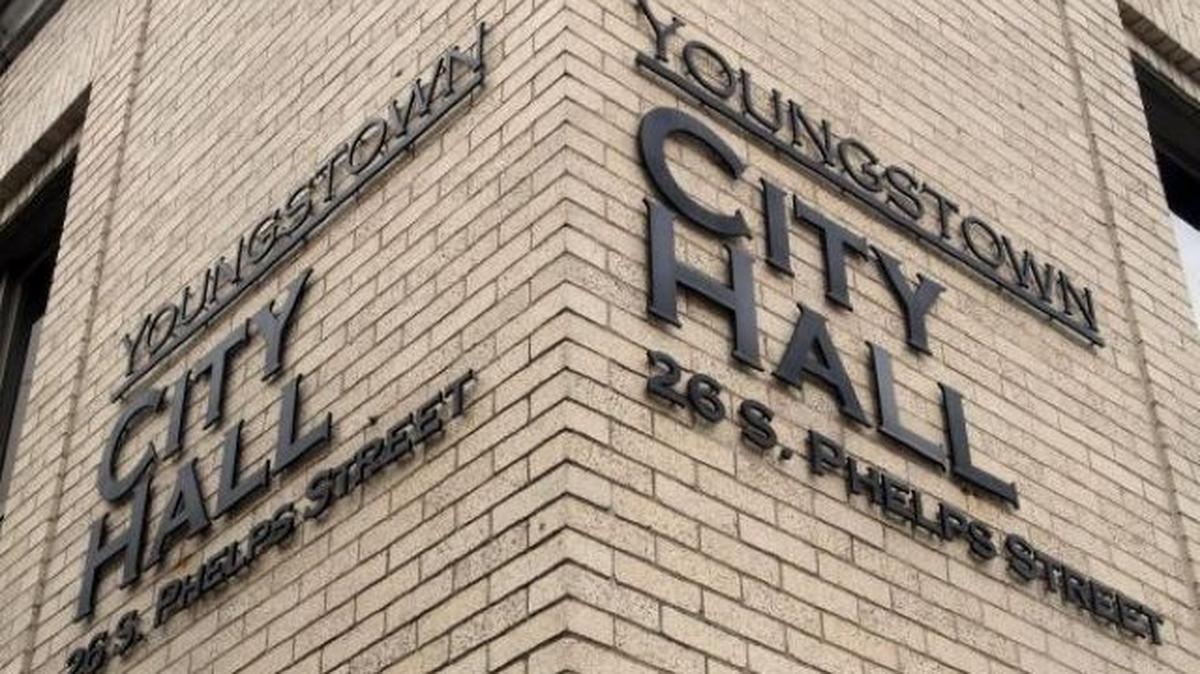
YOUNGSTOWN — City Council will vote to approve the 2021 budget during a virtual special meeting at 4 p.m. today.
In the budget memorandum prepared for council by Fiance Director Kyle Miasek in advance of the meeting, Youngstown's total budget for 2021 is estimated to be about $176 million; the city expects to take in about $166 million in revenue, which results in a deficit of about $9.4 million.
The 2020 budget was estimated to be about $182 million. Miasek said the budget is less this year due to fewer projects and no capital purchases.
“Most of it is about the timing of projects,” he said.
The city is expected to roll a general fund surplus of about $6.5 million into this budget year, some of which will be used to balance the budget.
The surplus is from about $5.3 million in CARES Acts funds, about $2.8 million from worker’s compensation rebates from the Bureau of Workers’ Compensation and about $400,000 in savings from employees who were asked to go on furlough.
Miasek said the only major change to this year's budget is the reduction of Youngstown Police Department’s overtime wages.
Because of concerns about the use of overtime in the police department, council members agreed to reduce the line item by $250,000, taking it from $1,150,000 to $900,000.
City council also agreed to give the parks and recreation department $65,500 in immediate funding to purchase mulch for the parks in preparation for summer programs.
COVID-19 relief
Youngstown is also expecting to collect about $88.6 million from the $1.9 trillion federal COVID-19 stimulus bill.
The city will receive the first half of its funds in May and will receive the remainder in 2022. The funds do not have to be spent until 2024.
Mayor Jamael Tito Brown said in his State of the City address on Friday that a strategic comprehensive plan — with input from citizens, city council, the mayor and community partners — will be created for the cash influx to benefit the community for the next 10 to 20 years.
“There is no rush to spend this money,” Brown said. “That is why a plan is key to success and to make this a legacy opportunity.”
Specifically, Brown said he'd like to see some of the money used to create quality and affordable housing, remove blighted properties across the city and bring in a full-scale grocery store to address food insecurities.
The city is appreciative of the revenue replacement, Brown said, especially because Youngstown is funded through income tax and sales tax.
“If people are not spending or not working, things are down,” Brown said. “The revenue replacement will be a big adjustment ... and a catalyst for the city of Youngstown.”
Miasek said the budget does not include the $88.6 million in federal relief. As the city receives the money, spending decisions will be made through ordinances through City Council. The process will likely be similar to the city's use of CARES Act funds.
“I can't commingle the money in our regular budget with the money that we're going to get from the government,” Miasek said. “It has to be kept separate.”
Income tax issues
Last month, the city had a $700,000 drop in its forecasted February income tax revenue.
The city forecasted income tax revenue of $3.7 million for the month, but collected just $3 million. The largest decline was $500,000 in employer withholdings, which is the most important area.
The city collects income tax in January, February and March for income that was earned in December, January and February.
Before the month of February, the city was on target for income tax collections.
For 2021, the forecasted amount for December was $3.66 million and the city received $3.58 million, which is about $4,000 less than forecasted. In January, the forecasted amount was $4.1 million and the city received about $4,500 more than anticipated.
Miasek said the first three months of 2020 were not yet affected by the pandemic. This year, Miasek estimated in the income tax forecast that the amounts would be lower due to the pandemic.
The 2021 budget is based on the original revenue forecast Miasek created before the collections for February dropped. The city might have to reevaluate the budget when reports for March come out on April 15.
If income tax collection drops dramatically again, Miasek said he will have to speak with city council about curtailing spending or find other methods of providing funding.
“We have to wait and see,” he said.
The city is also waiting on the result of Senate Bill 352, which could further impact its income tax revenue.
In March 2020, the passage of House Bill 197 kept city employees paying income tax to the city even though they worked from home. Senate Bill 352 would return Ohio's income tax guidelines to pre-pandemic rules where income tax is assessed in the community where work is done. Since many people are working from home — and live outside Youngstown city limits — the result would be a further decrease in the city's income tax revenue.
Miasek estimated if 10 percent of employees are affected across the city, the additional loss of income tax revenue would be $3.3 million. If 20 percent affected, the loss would total $6.6 million.
There is no historical data on this so the city does not have any benchmarks on how many people could request a refund.
Budget breakdown
Here is a snapshot of the 2021 appropriation forecast for city departments:
- General fund: $32,559,050
- 911 Dispatch: $1,564,510
- Street Department:$5,604,840
- Youngs Police Department: $17,319,712
- Youngstown Fire Department: $13,392,306
- Parks and Recreation: $2,656,436
- Health Department: $1,494,038
- Water Department: $33,572,500
- Waste Department: $30,795,677
This story was originally published March 29, 2021 at 4:11 AM with the headline "Youngstown City Council to vote today on 2021 budget."