
Breast Cancer Awareness Month reveals gaps in Valley health care
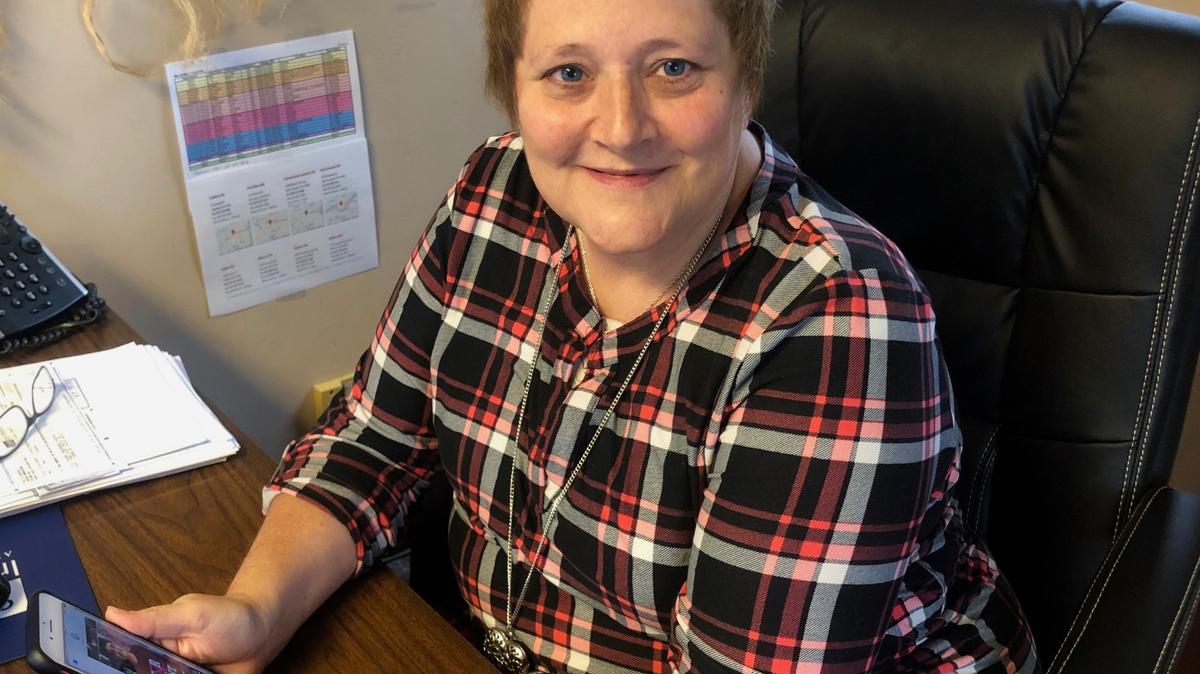
Her distrust was 26 years in the making.
When she was pregnant with her now-adult son, Sweeney got ill and knew something was wrong.
When she brought her concerns to her doctor, he was not helpful, telling her. "You're overweight. It's your eating habits."
If her doctor dismissed her concerns, he must be right, she thought.
Maybe it was just in her head.
It wasn't. After giving birth to her son, Sweeney was diagnosed with thyroid disease.
So, each year when her doctor reminded her about her annual mammogram, Sweeney put it off.
"It's not going to happen to me," she told herself. She had no family history of breast cancer, and she checked herself regularly.
The last time her doctor reminded her in May 2018, he didn't let her off the hook. And her mammogram revealed a small tumor in Sweeney's right breast — invasive ductal carcinoma.
If you're going to get cancer, Sweeney said, this is the best kind to get.
Still, she underwent a lumpectomy, four rounds of chemotherapy and 33 rounds of radiation.
Her experience at Mercy's Health's Joanie Abdu Comprehensive Breast Care Center could not have been more different from her experience getting diagnosed with thyroid disease 26 years ago, Sweeney said.
Absent were the antiseptic hospital smell and uncomfortable hospital gown. "You're not just a number. You're a human," said Sweeney. "Everyone wants that human touch. And to not be dismissed."
Since undergoing treatment last winter, Sweeney has become a breast cancer prevention advocate to anyone who will listen.
"Please get that mammogram. Don't be me," said Sweeney. "I was lucky. Some people aren't."
YOUNGSTOWN BY THE NUMBERS
The gender gap in the doctor's office is compounded by a race gap in terms of the care that women of color receive.
According to data from the American Cancer Society, black women in Mahoning County are 1.43 times more likely to die from breast cancer than white women living in the county. They are also 1.29 times more likely to be diagnosed with late-stage breast cancer.
In the Mahoning Valley, these statistics don't necessarily reflect gaps in access to preventive screenings, but rather gaps in awareness and access to primary care, said Melinda Marks, a breast oncology nurse navigator at Mercy Health's Joanie Abdu Comprehensive Breast Care Center.
The Joanie Abdu Mobile Mammography Van specifically targets underserved populations that might not have access or transportation to primary care.
Breast cancer awareness "starts in primary care office and trickles down," said Marks. So women without access to primary care might lack an understanding of breast cancer prevention or have misconceptions about the process.
"Some people are really afraid that it's painful. We educate that a mammorgram is not painful," said Marks. "I would like to see collaboration with local high schools, to go in and educate around screening mammography and age requirements and if you have a family history."
RECOMMENDED CARE
Today's American Cancer Society standards recommend that women of average risk start getting annual mammograms between the ages of 40 and 44 and continue to get annual mammorgrams until age 55, at which point they can get screened every other year. Women under the age of 40 should conduct self breast exams each month.
"I fall into this generation where [the standard] has been changed," said Marks.
This could contribute to confusion regarding best practices for prevention. More information about the American Cancer Society's screening guidelines can be found here.
But Marks warns women shouldn't be concerned about their health during Breast Cancer Awareness Month.
"It's important that we don't just do this during the month of October. It's an important [story] that needs to be done more often as a reminder to people," said Marks.