
8 things to remember about severe weather
Severe weather can occur at any time of the year and Spring Severe Weather Awareness Week allows Ohioans the opportunity to learn the best ways to be prepared and stay safe during inclement weather.
The week started Sunday and runs through March 25.
Here are eight things to remember about severe weather:
- Tornado Watch means Be Prepared: When conditions are favorable for the development of tornadoes. Be ready to move to a place of safety if the watch is upgraded to a warning or if threatening weather approaches.
- Tornado Warning means Take Action: When a tornado is imminent or has been sighted. Warnings indicate impending danger to life and property.
- Finding shelter during a Tornado Warning- Know what to do if a tornado warning has been issued for your area. Identify a safe place in your home where household members and pets will gather during a tornado: a basement, underground shelter or cellar, or tornado safe room offer the best protection, or an interior room on the lowest floor with no windows.
- Preparing supplies for emergencies- If the power goes out or there’s no access to water for a few days, it’s important to have an emergency kit ready. Pack a bag with water, non-perishable foods, cleaning supplies, flashlights, extra batteries, and other necessities that your family uses every day like medicine. Ready.gov compiled a large checklist of recommended items for an emergency kit.
- Flooding risks indoors- Learn and practice evacuation routes, shelter plans, and flash flood response. Purchase or renew a flood insurance policy.
- What to do if road floods- Never attempt to cross a flooded road on foot or in a vehicle. It only takes six inches of water to knock an adult off their feet, one foot of moving water can float a vehicle, and two feet of water can carry away most vehicles including pickup trucks and SUVs. Don’t chance it, find an alternative route! Turn Around Don’t Drown®.
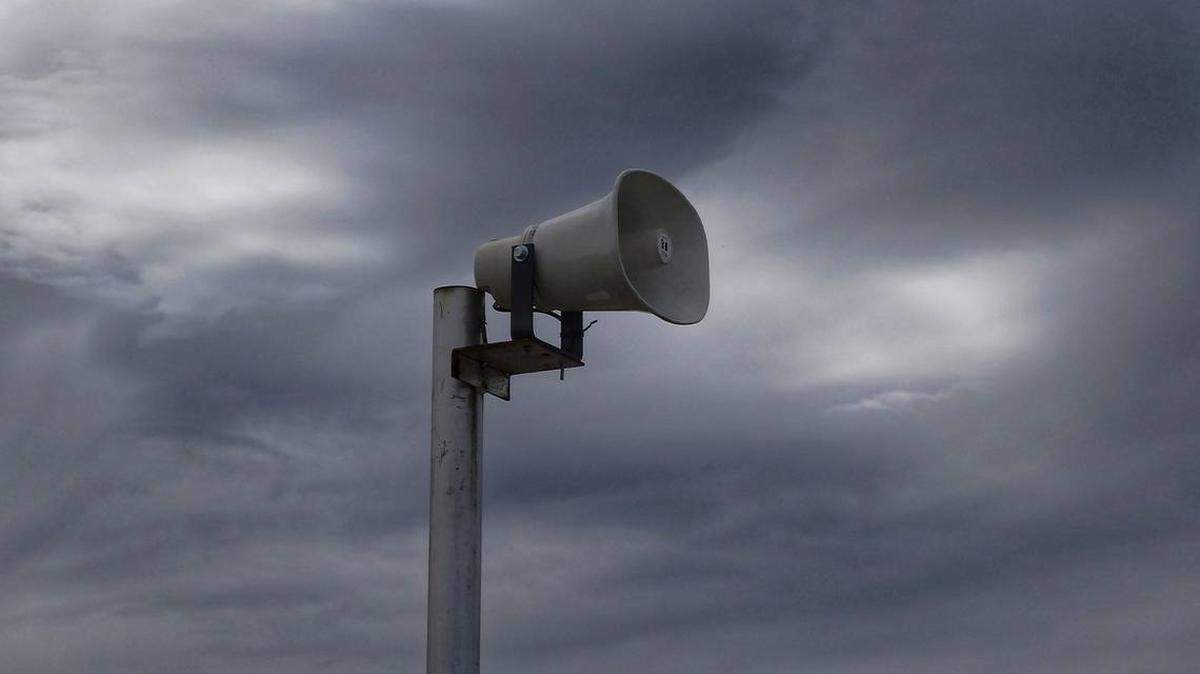
- Interpreting sirens outside- Many Ohio counties have outdoor warning sirens that sound when severe weather is imminent. Outdoor warning sirens are designed to be heard outdoors. When the sirens are heard, go inside and tune to local media to get more information.
- Getting reliable alerts and notifications- To stay informed and on top of changing weather patterns, here are several communication sources to keep in mind. Turn on the TV to get any important information from the Emergency Alert System (EAS) which sends messages over television and radio channels. Get free notifications delivered to mobile devices as part of a public safety system with Wireless Emergency Alerts (WEA), and access the NOAA All-Hazards Weather Radio. This is a nationwide network of radio stations that broadcast continuous weather information from the nearest National Weather Service office based on your physical location.
-------------------------------------------------------------------------------------------------------------------------
(EDITOR’S NOTE: Get the latest Mahoning Valley news in your email inbox weekday mornings. Sign up here for our free daily newsletter.)
-------------------------------------------------------------------------------------------------------------------------
Follow Mahoning Matters on Facebook, Twitter and LinkedIn.