
What is a credit score? Plus, what else you need to know.

Wondering why credit scores can make such an impact on your life? A credit score, according to the Consumer Financial Protection Bureau, “predicts how likely you are to pay back a loan on time.”
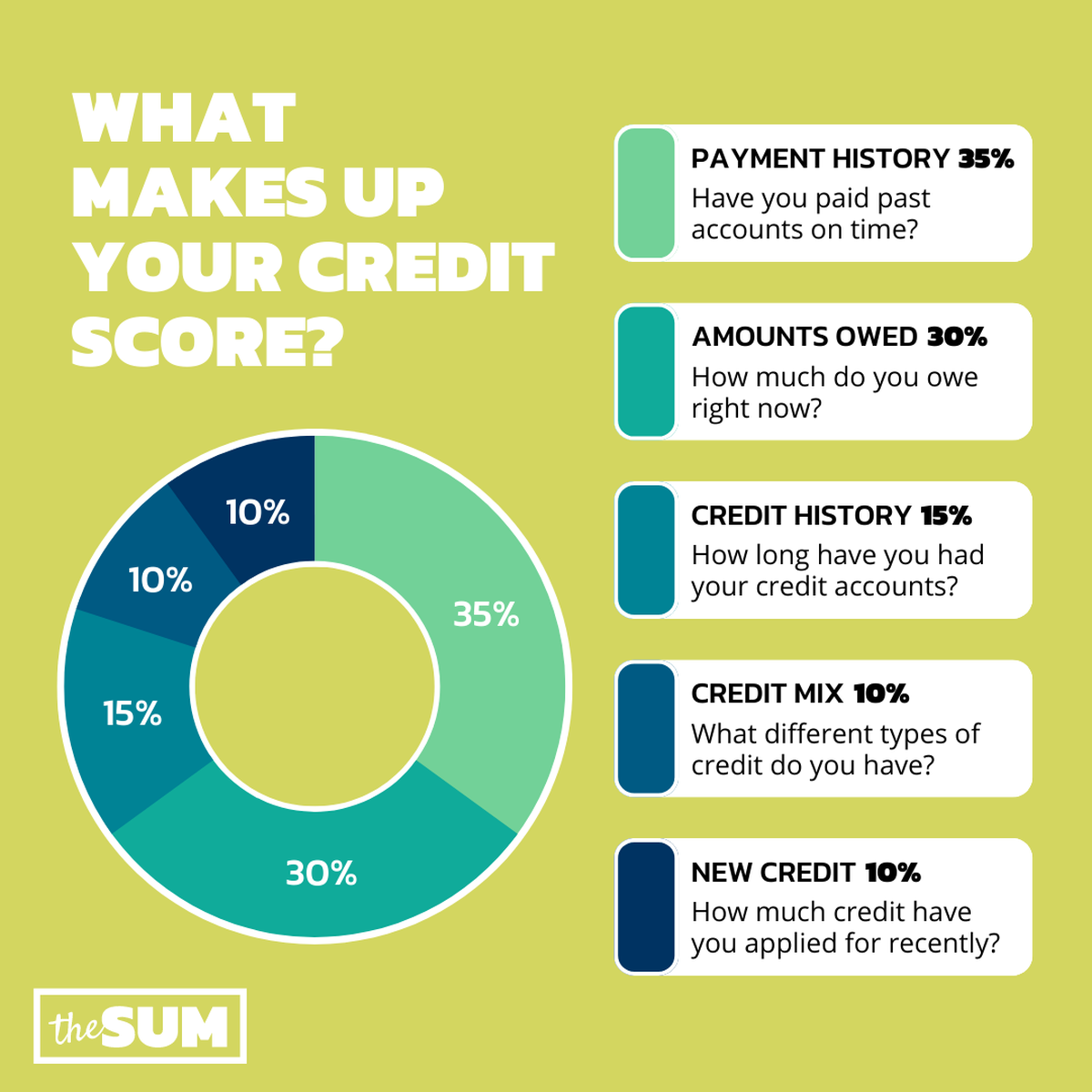
Credit scores show lenders how likely you are to repay borrowed money on time. The FICO score, one of the most widely-used scores today, uses these five factors: Payment history, amounts owed, length of credit history, credit mix and new credit. It’s normal to have multiple scores. The Sum explains what else you need to know.
To Sum It Up
- Credit scores estimate how likely you are to pay bills and repay borrowed money.
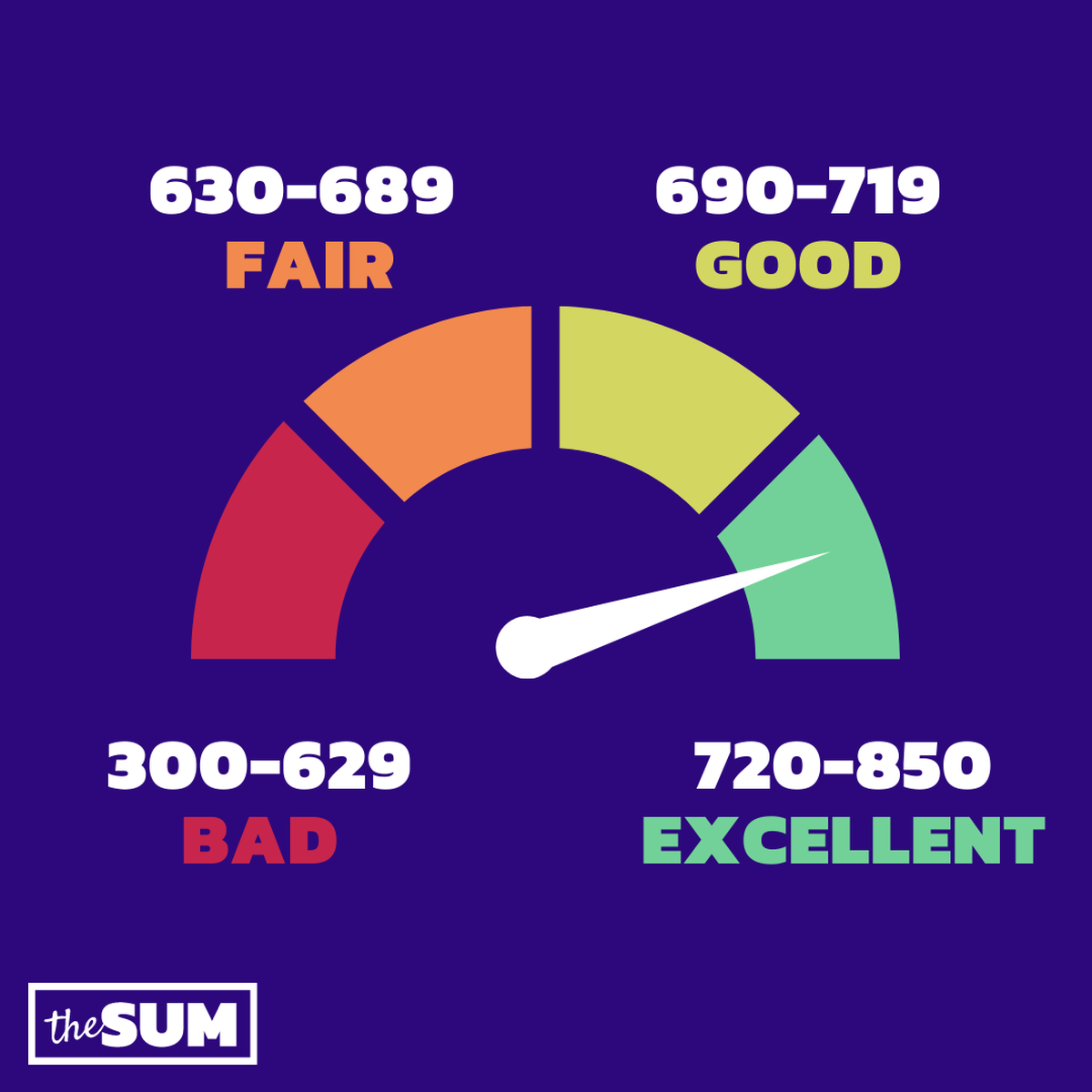
- It’s totally normal to have multiple scores; they also tend to fluctuate. They generally range from 300 to 850.
- There are three major credit reporting bureaus: Equifax, Experian and TransUnion.
Why It Matters
- These scores help determine if you can get a loan or credit card and what interest rate you will pay.
- It impacts your life on everything from applying for car loans to whether or not you get an apartment.
Credit Score Tips
- Pay your bills on time.
- Credit card balances should be at least under 30% of your limit.
- Try not to apply for several accounts all at once.
- Don’t close old credit accounts.
Sources
- Consumer Financial Protection Bureau: What is a credit score?
- USA.gov: Credit Reports and Scores
- NerdWallet: How to Build Credit
- CNBC: When did credit scores start? A brief look at the long history behind credit reporting
- FICO: What’s in my FICO® Scores?
READ MORE ABOUT THIS IN THE SUM
The Sum breaks down complex economic issues and how they impact your life in just a few minutes a day. Follow thesum.news on Instagram for the full story.
This story was originally published October 4, 2022 at 9:52 AM.

The Sum
mahoningmatters