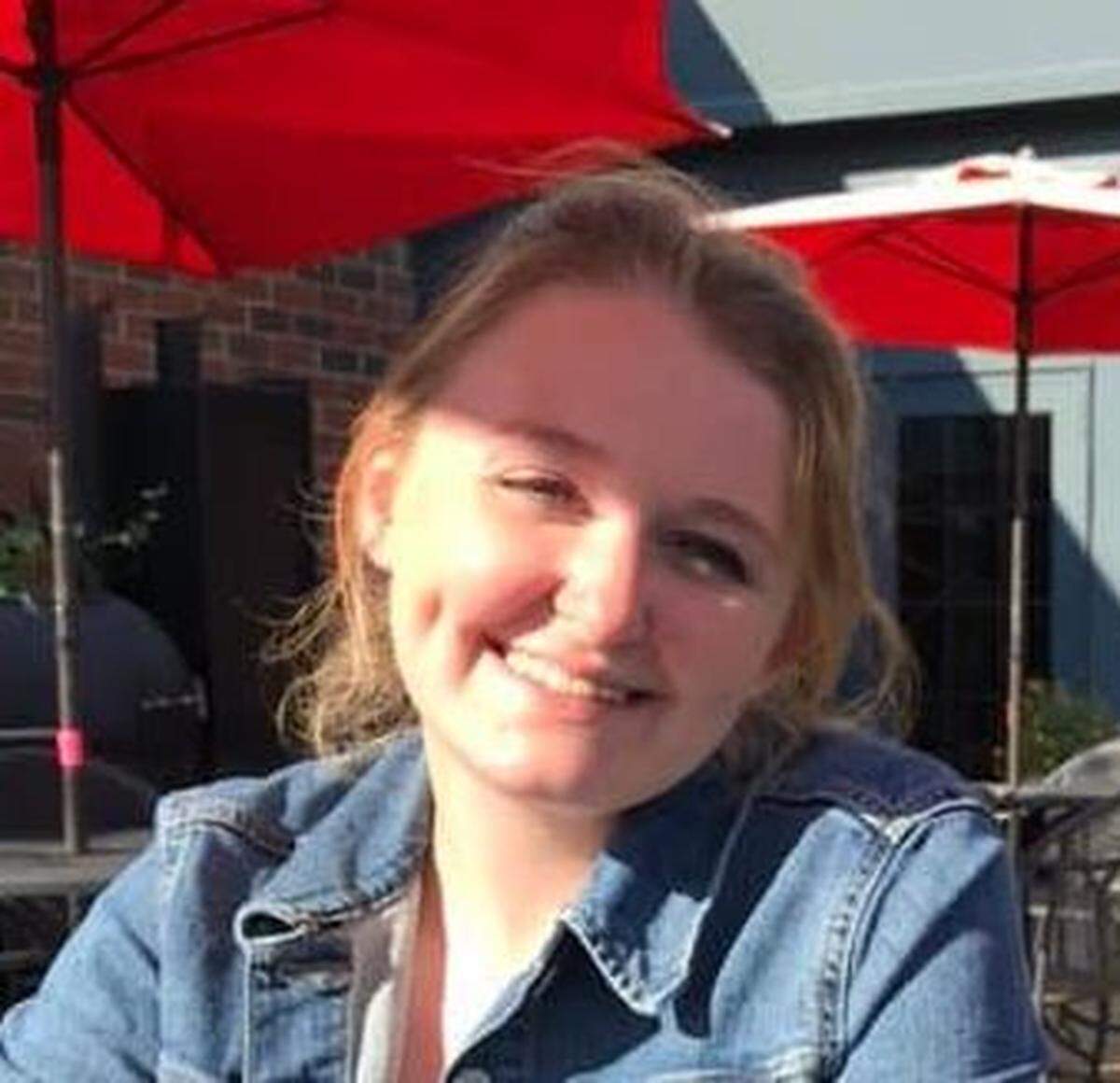
Complete Physical Therapy & Aquatics expands aquatic therapy services in Hubbard
A local physical therapist with over a decade of experience is helping patients in the Mahoning Valley feel relief and rehabilitation through a personalized plan with both land and water-based practices.
Dr. Dawnelle Jewell first started Complete Physical Therapy & Aquatics in Hermitage, Penn.
“Then we were able to move into Hubbard and open up the contract sites for the pool, so it was building blocks,” she said. “It was about a four-year plan to have my own pool, but with everything we’ve been able to do with the response from patients and seeing the benefits, I really felt like we had to bring this closer to the community. We had to be present.”
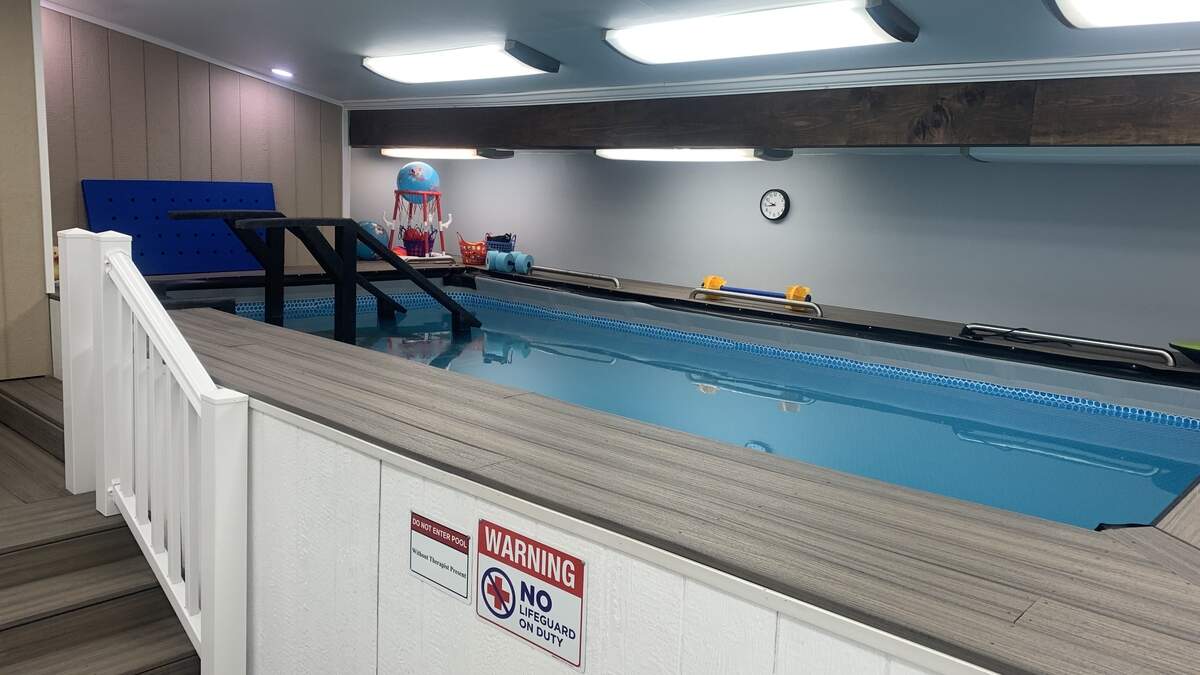
Dr. Jewell opened her own pool for aquatic therapy in March.
“There were no aquatic therapy environments in this area, which I understand the challenges of bringing aquatic environments to a local area, but at the same time, the benefits just outweigh that,” she said. “I did always want to have my own pool. Because we were able to make that big jump this year, I’m hoping that the community can also receive all the benefits of it.”
To commemorate the addition of the pool, Complete Physical Therapy & Aquatics is hosting a ribbon-cutting with the Youngstown/Warren Regional Chamber at 10 a.m. on June 10 at 843 North Main St. in Hubbard.
“I have met so many people locally. We have had a good response. They’ll come in to thank us because their child got married, and they walked them down the aisle after struggling with pain levels. Things like that are what make every ounce of this so worth it; it’s been so nice to see that response come through,” Dr. Jewell said.
Aquatic therapy helps with spinal decompression, increasing circulation and balance, according to Dr. Jewell.
“We’ve had pediatric clients, adult clients, geriatric clients, all come in from the local community,” she said. “When you’re in water, you’re in a constant dynamic environment, which means that the water is in constant motion. When you’re in a gravity-reduced environment, you are able to move more freely, you’re able to reduce the impact on your joints and your injuries to allow movement without the large pain response. By standing or floating in water while holding control, you are working on joint stabilization, which can then improve balance.”
Staff at Complete Physical Therapy & Aquatics get in the water with patients during treatment, according to Dr. Jewell.
“You have a therapist present right next to you at all times, and so those who have a fear of water or those types of things, we will be right there,” she said. “My biggest successes are when I get someone who is having that fear and by session six or seven, they’re feeling comfortable and feel like they can move to something a little more challenging or scary.”
For each patient at Complete Physical Therapy & Aquatics, Dr. Jewell’s team builds a unique program starting with aquatic therapy that can transition to a land-based function.
“The goal is always to wean to tolerating as much land-based training as possible, and so that is always what we’re working towards,” she said. “We do a lot of training for outside of the water movements in the water, so even just getting out of a chair, we do a lot of like those types of training in the water, so you can learn the mechanics and that coordination, so that when we do get out on land, then we train it here, so you’ve already learned it,
Dr. Jewell mentioned new progressions happening in the aquatic therapy world, particularly studying how it can help patients with long COVID, POTS and obesity.
“I’ve worked with POTS in the past with success in the water. The water environment lets you regulate different vitals and we can monitor your vitals in and out of the water,” she said. “We have done pediatric weight loss programs, because we can induce a play-based environment while introducing all the movement patterns that are needed. Those that have struggled for a very long time, within three to five weeks, have started to notice changes for the good.”