
‘I really want to ... see my dad’: How youth facilities make a home for the holidays
Youths placed in residential facilities by children services agencies — who struggle with behavioral challenges or past family trauma — often spend the holidays away from their families, and instead with facility staff, therapists and roommates.
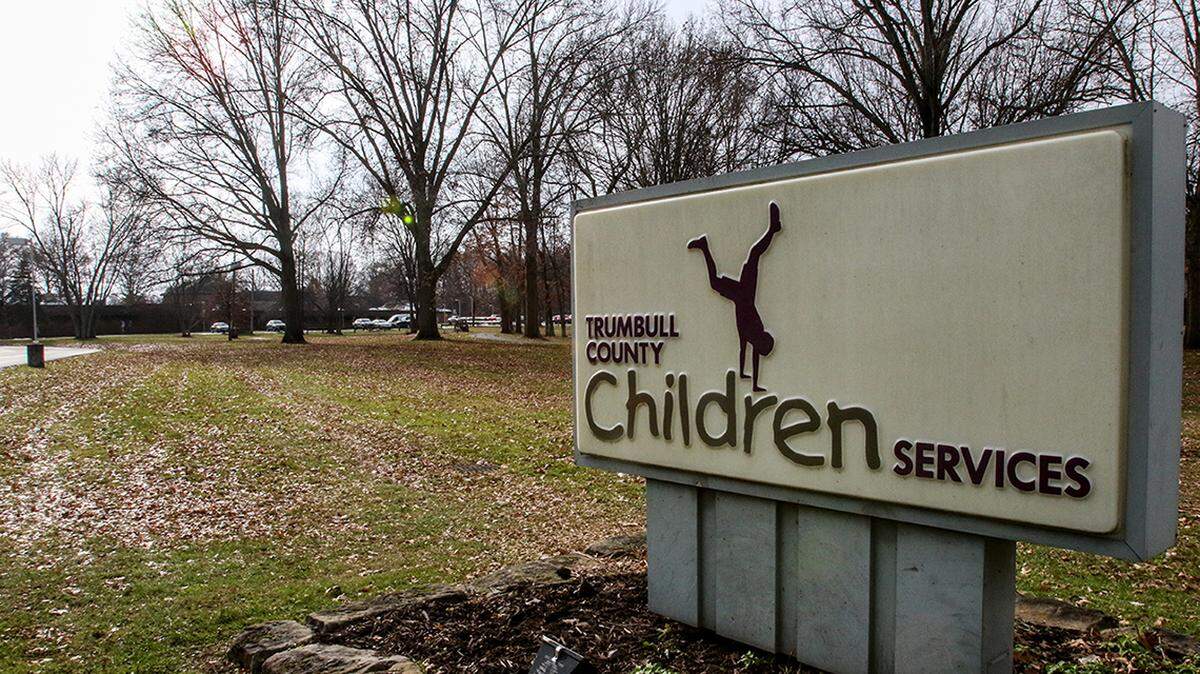
Representatives of New Beginnings Residential Treatment Center in Youngstown and Trumbull County Children Services Residential Facility in Warren said they make sure all hands are on deck to create holidays to remember for the children who may be living far from their loved ones — but it can be challenging.
William, a 14-year-old resident, has lived at the Warren residential facility for two years. He enjoys building car figurines and loves animals, he said.
Mahoning Matters has changed the child’s name to protect his identity, at the request of the county children services agency.
William likes to stay busy for holidays like Halloween, Thanksgiving and Christmas, to fill the time he’d otherwise be spending with his biological family, he said.
“We do a lot of games in the [gym] during the holidays and activities for Christmas,” he said. “For Christmas, we’re going tubing. … We had dinner for Thanksgiving, and made pumpkin pies.”
William said when his mother died, the staff comforted him in that difficult time, and checked on him regularly.
For Christmas, he said he’d love to visit his biological brother and father, he said.
“I don’t get to see [my brother] because he lives with my dad, and my dad doesn’t associate with me anymore,” he said. “The thing I really want to do is see my dad, but he doesn’t answer any of my calls.”
Children in residential facilities usually do not have biological families for support. From past trauma, they tend to develop behaviors that keep them from learning the coping skills they need to function in a family setting, said Emily Ward, clinical administrator at the Warren facility.
Those barriers often make it harder for children to live in foster or group homes, she said.
“They’re limited with social skills, sometimes they can’t count money … a lot of things that parents should have taught them,” she said.
In William’s case, he would become easily angered and overwhelmed when feeling threatened, Ward said.
“He has learned that being told ‘no’ or that he cannot do something does not mean he is in any danger,” she said. “He is learning to take some time before responding to something that upsets him.”
Ward said William’s care and treatment first consider his personal trauma. William’s now learning to cope with his behaviors to function in society and one day live in a positive family environment., Ward said.
“[He] is learning how to change those behaviors and to understand that there will be people in his life who love him and accept him for who he is,” she said. “He has also learned social skills to help him form meaningful relationships with peers.”
Ward said the facility provides many different avenues for kids to be active community members, while connecting with community mentors who demonstrate positive leadership for the kids. That includes several group activities during the week like meeting with therapy dogs or practicing martial arts.
The facility also offers one-on-one mentors who help the kids develop more social skills and be an extra person to lean on for support throughout treatment. Sometimes, the kids visit their mentor’s home for the holidays, but no treatment model or program replaces family structure for when youths formally leave the child welfare system, or “age out,” at 18 years old, Ward said.
“A lot of kids don’t know how to function in a family so that is a barrier to them leaving,” she said. “Having our [mentorship program] takes off the pressure because these aren’t people who want to adopt, they just want to be there to help them out through this.”
Ward said regular Thanksgiving and Christmas activities can trigger bad emotions or memories for some.
“It could be the parents haven’t had contact with them. … Then suddenly, the holidays come up and they want to talk to their kid,” she said.
Ward said there are a few kids who struggle with past trauma around the holidays, and sometimes they tell workers they don’t want to participate in holiday activities. Others see the holidays as the goal line to finish treatment and move back in with their families for the holidays, Ward said.
But often that does not happen because children aren’t making enough progress in treatment to be able to leave the facility for a foster home, or to go back to their biological families, she said.
“We have one child who wanted to spend Christmas with her mom this year,” Ward said. “She still thinks in her head she’s going to be able to see her, but it’s not going to happen.”
Youths who develop behavioral issues from past family conflict are usually placed in residential facilities to receive clinical treatment before living in a foster home.
New Beginnings accepts youths from all 88 Ohio counties who were “homeless, neglected, abused, were the abusers or sexually abused [someone],” said Josette Landis, the facility’s administrator and clinical director.
It’s a challenge to find “good,” quality foster home placements for children who leave the facility, said Jessica Moore, the center’s program director.
“I’ve had a kid run away from a foster home, after he was discharged from here, and call us for help to get him re-admitted back in here because it wasn’t a good foster home,” Moore said.
Landis said workers try to make the holidays feel normal for the kids by hosting parties and letting them spend holidays with their family, if possible.
“We decorate and have a big Christmas tree out,” she said. “Unfortunately, 9 times out of 10 the kids here do not have a family to go to, and the ones they do have, we encourage those youths [to go].”
Landis said employees encourage families to make in-person visits during the holidays, but most times, it’s challenging for families who live far from where their child was placed — sometimes hours away, in another county.
“We can’t provide transportation for all of the families. ... A lot of these kids are so used to it” and they’ve come to rely on their residential home family for that support, she said.
Ward said she believes workers cannot change a child’s living situation, but they can provide positive support for children during the holidays.
“The kids [who] want to be a part of the traditions and do the things they did before, then we’ll say, ‘Let’s go to the store,’” she said. “We just [try to] meet them where they’re at.”
Ward said some kids continue family traditions at the facility, and others choose to ignore past traditions to avoid emotional triggers.
“Some of them want to celebrate the same traditions … make the same food their mom made, and cookies their grandmother made,” she said. “The other half of them say, ‘I don’t want anything to do with this,’ and [the traditions] will remind them of everything.”
Moore said her staff take it upon themselves to invest in the kids, and try to remember most kids who enter residential treatment facilities spend many of their childhood years in treatment.
“These are the kids who’ve had the hardest life, the toughest battles and [have been] treated the worst. You have to love them no matter what,” Moore said.