
‘It works if you work’: Mahoning drug court graduates five
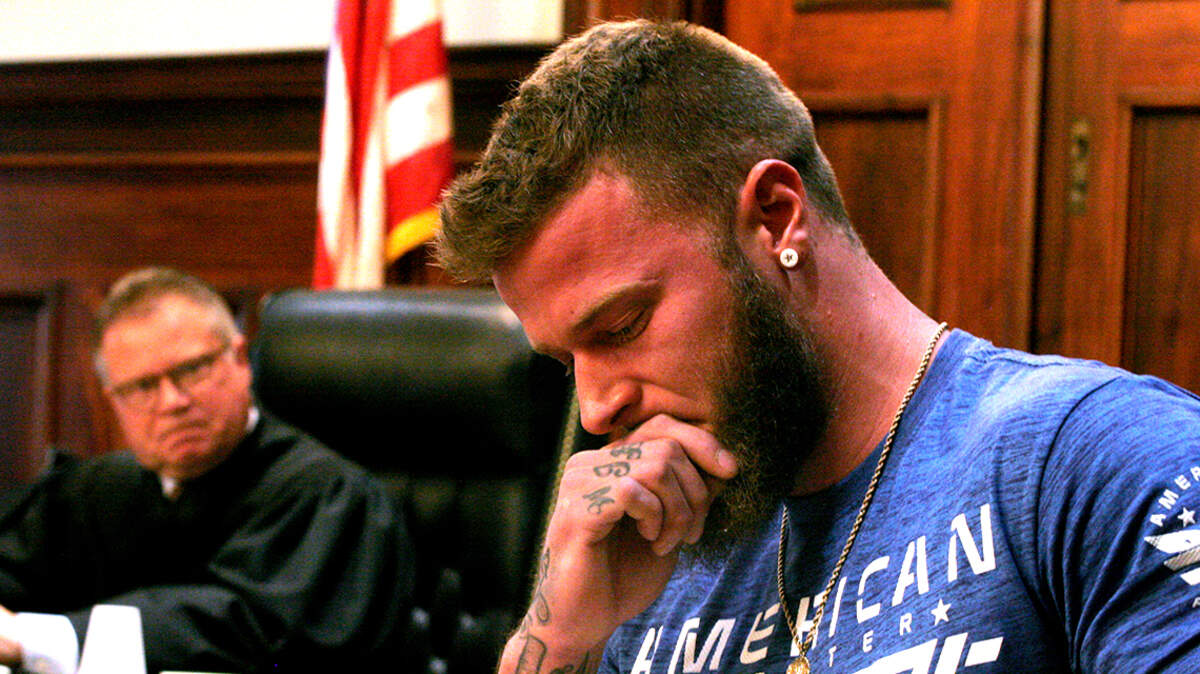
The Mahoning County Common Pleas Drug Court last week dismissed felony-level charges for five drug offenders who graduated from the program.
The drug court gives drug offenders a chance to go through a holistic transformation — physical, mental, social and emotional — to recover from substance abuse, Mahoning Matters reported last month.
Joshua Ellis, a drug court graduate from Youngstown, said he abused drugs for 12 years and was in and out of jail.
He went through several drug rehabilitation centers until he was accepted into the drug court.
Ellis said he “never saw a future other than in a casket.”
“I grew up with a beautiful childhood. I had everything I wanted and somewhere along the way, I picked up drugs and alcohol — being a curious kid and not thinking anything of it,” he said. “I didn’t think I would have ever gotten sober.”
Ellis said he became distanced from many close family and friends while using drugs.
Last week, he graduated with high honors, reserved for graduates who never fail their drug screenings or miss a treatment session. His family is now back in his life.
“I busted my butt every single day and today, I am no longer a felon, but a recovering drug addict,” Ellis said. “I shouldn’t be here today, but God got me here.”
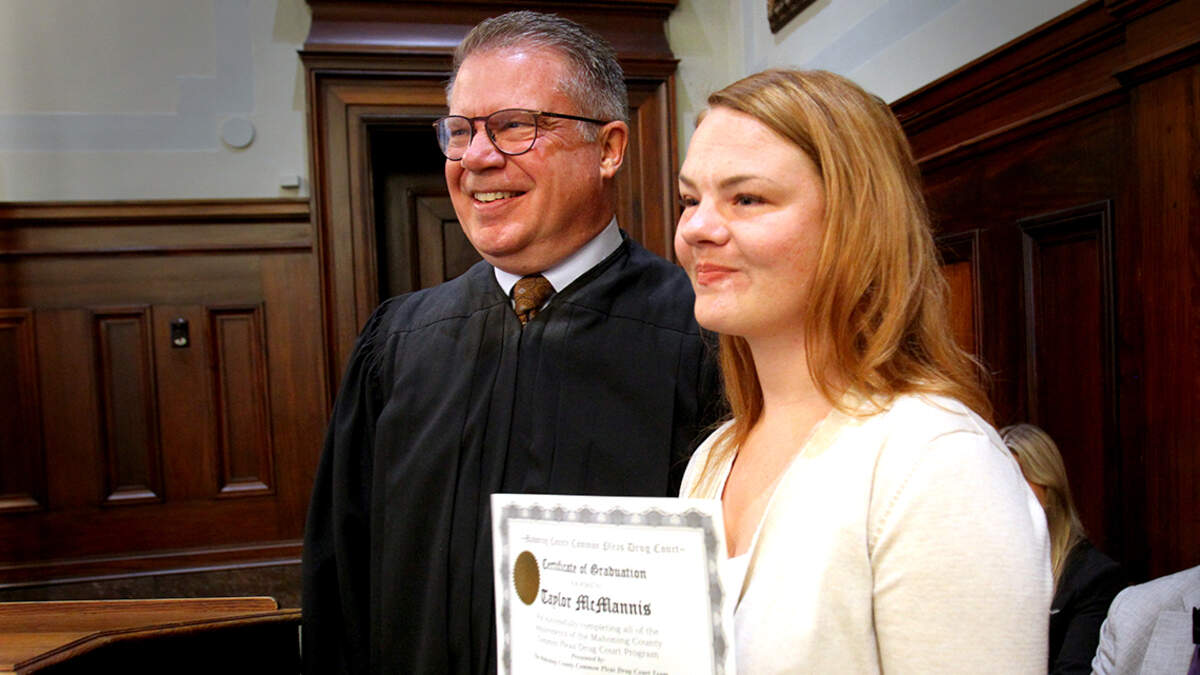
Taylor McMannis, a drug court graduate from Columbiana, started treatment in drug court two years ago. She was charged with a third-degree felony for possessing Xanax in jail.
McMannis said she didn’t want to get sober when she entered the program and struggled holding herself accountable for treatment.
“I just realized that my way and what I wanted to do was not going to lead me to a good life,” she said. “It was a lot harder to fight the whole situation. … I was in a state of surrender.”
McMannis got her driver’s license and earned her GED before graduation.
“I’m just really thankful that Judge [John Durkin] didn’t give up on me because I think that anybody else in the world would have,” she said.
She now spends most of her time with her 5-year-old daughter and works as a server at Cocca’s Pizza.
“If you stick with it, get a sponsor and work the steps, great things do happen,” McMannis said.
‘It works if you work’
Drug offenders have to plead guilty to their drug-related charges to enter the program. Once they successfully complete the three phases of the program and are living a life of recovery for one year, all of their charges are dropped.
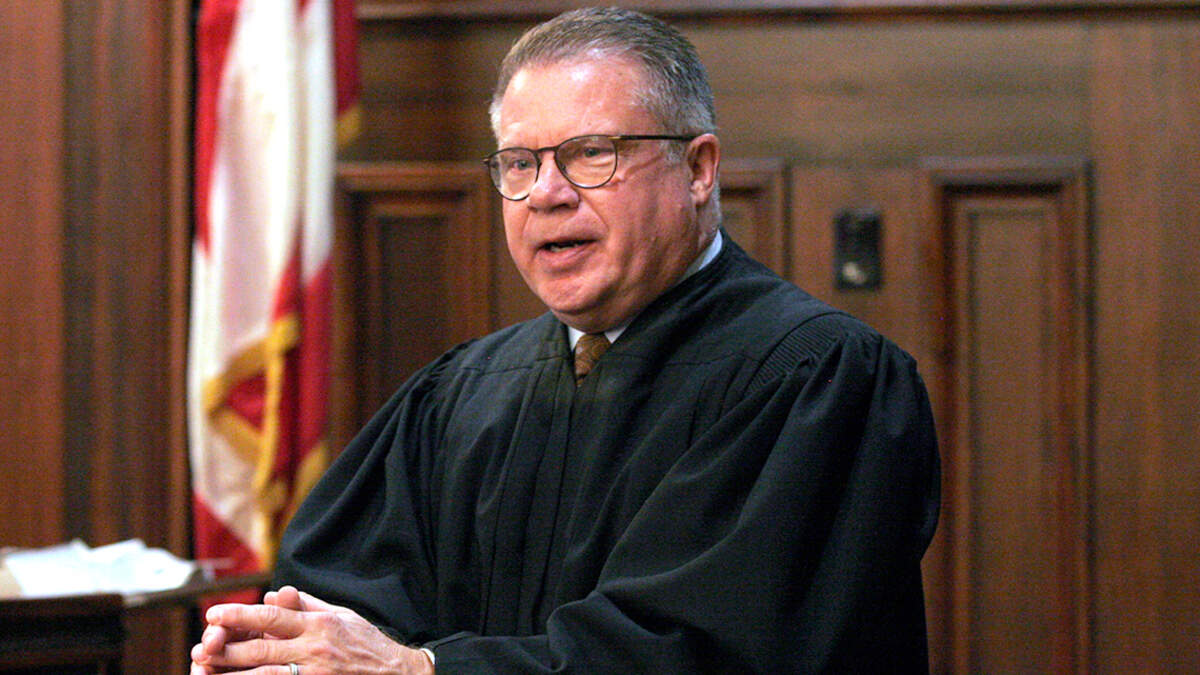
Drug offenders in the program usually go through intensive treatment for one to two years, before graduating from the drug court program completely drug-free, said drug court Judge John Durkin.
“It works if you work,” he said. “I hope the current [drug offenders] have taken something from this day to know this is possible for them as well.”
They must be in recovery before graduation, be clean for at least one year, and hopefully have stable employment and housing, Judge Durkin said.
This is the first drug court graduation since August 2021, drug court coordinator Amy Klumpp, said. She said the team waited for two graduates to earn their GED before hosting the graduation ceremony.
Drug offenders charged with fourth- or fifth-degree felonies that are not violence or weapon-related are eligible for drug court. There also must be evidence of a drug addiction.
Judge Durkin said even if individuals don’t complete the program, the tools and resources they’re offered can still help them discover recovery and eventually turn their lives around.
“There are tremendous organizations and agencies that make this program work,” he said. “It’s a bittersweet day because we celebrate, [but] we say goodbye.”
Other graduates from Wednesday’s ceremony are Katlyne Marks who graduated with high honors, Jessica Taylor and another graduate who asked not to be included in this report.
The Ohio Supreme Court in 1997 certified Mahoning County’s felony-level drug court program as a specialized docket, a court that offers a therapeutic and holistic approach to drug enforcement, providing treatment for offenders’ substance abuse disorders.
Only 10% of the drug court’s graduates have been charged with a new criminal offense, according to the drug court website. The recidivism rate for drug courts state and nationwide is more than 30%.