
State explains steps to law enforcement certification
COLUMBUS — Gov. Mike DeWine's first stab at police reform involves asking Ohio police departments to become certified in state policing standards.
Yet, it promises no incentive for complying or cites any punishment for failing to comply.
The standards for certification were created by Ohio's Collaborative Community-Police Advisory Board — called the "Collaborative" — a Gov. John Kasich-era initiative formed in 2015, following racial unrest in Ferguson, Mo. which stemmed from the shooting death of 18-year-old Michael Brown Jr., an African American, by white Ferguson officer Darren Wilson.
The board has established minimum standards for different aspects of policing, including vehicular pursuit, employee misconduct, bias-free policing, telecommunicator training, body cameras, use of force, use of deadly force, recruitment and hiring and community engagement.
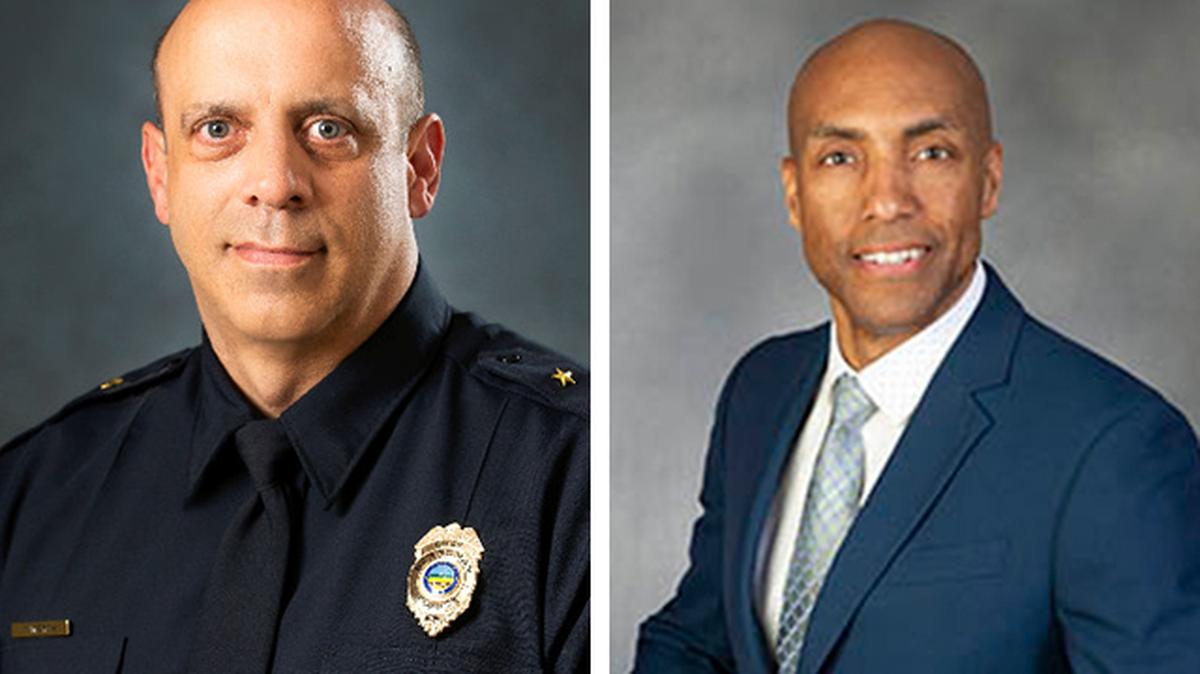
The Ohio Office of Criminal Justice Services is determined to make the certification process accessible, said OCJS Executive Director Karhlton Moore who explained the certification process to Mahoning Matters Wednesday.
"The standards are created so that a five-person agency or an agency like Cleveland or Columbus, it applies to all of them," said Moore.
To become certified, police departments must complete an application that explains how the department implements the Collaborative's standards. The application is reviewed, and the department receives feedback.
When the reviewer is satisfied the agency has adopted and implemented the standards, an on-site assessment is conducted.
An agency is considered certified when the executive director of OCJS has approved a report on the assessment.
Moore stressed certification involves more than just establishing policies: Law enforcement agencies must share these policies, ensure that employees know them and ensure that disciplinary action is taken if they are broken.
While more than 70 percent of Ohioans live in areas where police departments are certified, about half of departments in the state are not certified.
A list of Ohio police departments’ certification levels is available on the state Department of Public Safety website. The list mostly contains small departments.
Moore guessed small police departments are intimidated by the process or think the process is for urban or larger suburban agencies.
Poland Township is one of the departments not certified.
"Our policy is actually more strict than the one [the state] came up with," said Poland Township Police Chief Brian Goodin told Mahoning Matters Tuesday. "So when I had my sergeant review it, he said, 'Why would be switch to something that’s less than what we already had before?'"
Moore said the process will accommodate polices more extensive than the standards require.
"Let's say the standard requires you to check 10 boxes," said Moore. "If your policy checks 50 boxes, the Collaborative would never say: uncheck 40 boxes in order to meet our standards."
Additionally, his office works with departments of all sizes and makes peer support available to ease the process.
"Any agency that wants to get in compliance but they look at this and say, 'This is too much,' we have already made sure there’s support for them in order to do that," said Moore. "If you want to get certified, we will get you certified."
For a police department like Boardman, the certification process is pretty reasonable and a lot less onerous than other private accreditations, like Commission on Accreditation For Law Enforcement Agencies, said police chief Todd Werth.
But adopting the collaborative's policies often requires funding.
For example, adopting the collaborative's standards on body cameras would require Werth to purchase body cameras and hire staff to review and redact footage for public records requests.
So despite supporting the usage of body cameras, Werth isn't able to adopt the standards.
"I would love to see some state funding to support these policies," said Werth. "It's one thing to write a two-page policy and say you should have body cameras. It's another thing to help local departments. Financial incentive to be part of the Ohio Collaborative would be ideal and would help law enforcement."
Police reforms may also be coming from the federal level.
On Wednesday, U.S. Sen. Sherrod Brown announced Justice in Policing Act. The legislation:
- Bans chokeholds, carotid holds and no-knock warrants
- Establishes a national police misconduct registry
- Mandates the use of dashboard cameras and body cameras
- Creates law enforcement training programs
This story was originally published June 11, 2020 at 4:11 AM with the headline "State explains steps to law enforcement certification."