
Pandemic pets: COVID-19 isn’t totally to blame for wave of pet surrenders
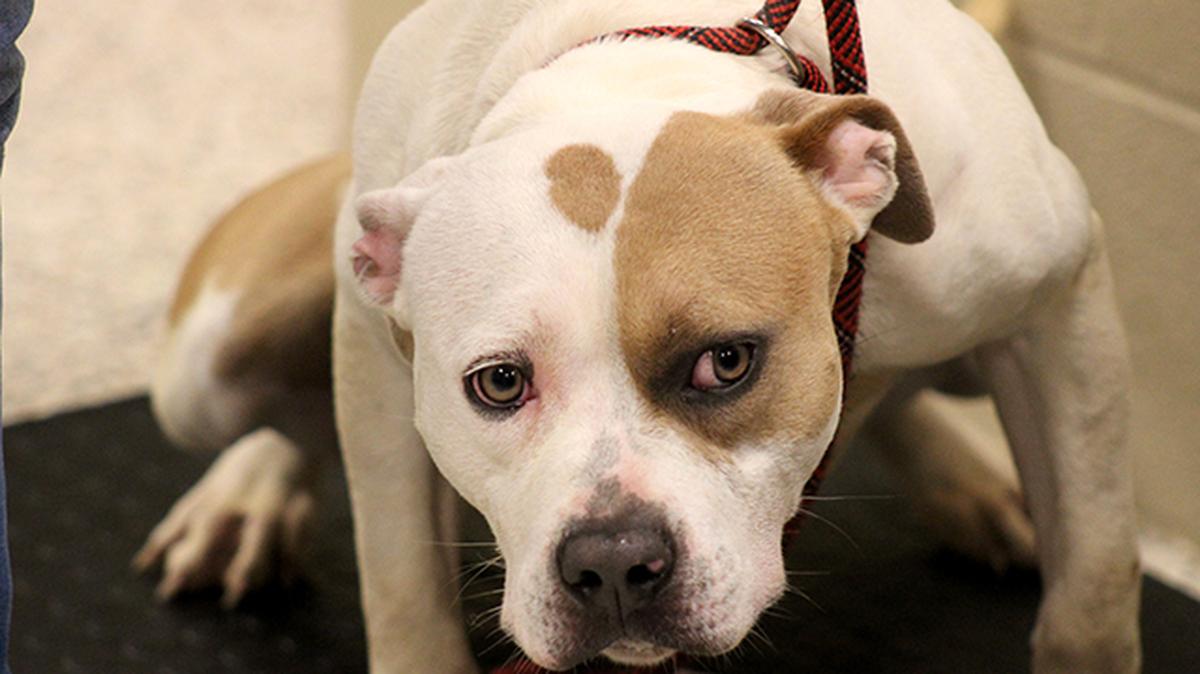
A recent surge in animal surrenders and strays at Mahoning Valley animal shelters is due in part to the COVID-19 pandemic — but also owner irresponsibility, local animal advocates said.
Local shelter proprietors told Mahoning Matters some returning to work at the office — after months of working from home — are choosing not to keep the pets that kept them company during lockdown. But they also think pet owners don't properly educate themselves on their care or ownership before taking on the responsibility.
"We've [taken] guinea pigs, hamsters, parrots, chinchillas and a rooster," said Veronica Caruso, owner of the nonprofit Small World Animal Shelter in Girard, which has been coping "very poorly" with a recent surge in pet surrenders.
The shelter — funded largely by Caruso's Social Security benefits — usually houses about 30 animals at any time, but last week it was also caring for more than 20 extra cats and 20 extra dogs, she said.
Last month, more than 350 new cats arrived at Angels for Animals in Canfield, said the shelter's cat wing manager Sherry Bankey. The shelter's taken on at least 300 or more cats each month since April, she estimated.
"There's people that are going back to work or they've lost their jobs and they're dumping cats now," she said. "They've been caring for it all this time. Now their lives are going back to normal and they don't want them around.
"Now every shelter's waterlogged with cats right now and they're having to turn people away."
Bankey also urged those who want to help stray cats by feeding them in colder months and into the spring thaw to take the initiative to have them spayed at a local animal clinic. Last winter was warmer than usual, meaning cat breeding season started earlier this year. Each female cat has about three litters each year, and there's usually between four and seven kittens in each litter, she said.
"I think these people were off of work for a while ... and they may not have noticed that stray cat hanging around [before]," Bankey said. "They fed them and cared for them and didn't get them fixed. Now there's an explosion of cats."
Though Angels for Animals is also overseeing another 400 cats in foster care, finding available families has become harder as the COVID-19 pandemic eases — "everyone's going on vacations," Bankey said. "Even tried-and-true fosters are putting it on hold until August."
Many of the new cats coming into the shelter are testing positive for feline leukemia. Most of the shelter's euthanasia cases now are due to disease, she said. And the longer those felines stay in overpopulated shelters, the more at-risk they are for upper respiratory viruses and other contagious infections, the likes of which caused the shelter to close down for a month last summer, Bankey said.
The Mahoning County Dog Pound along North Meridian Road in Youngstown is also seeing more unwanted dogs in its kennels than last year.
The pound took in an average of 78 dogs each month last year, 11 of which were surrendered by their owners, according to the county dog warden's website. So far this year, the pound has taken in 86 dogs each month, and an average of 16 of those was given up for adoption.
"It's very frustrating when people think of animals as disposable," said county Dog Warden Dianne Fry.
The pound can house a little more than 100 dogs at a time, and had about 30 on Tuesday — a testament to its quick turnaround, she said.
So far this year, the pound has taken in between 60 and 100 dogs each month, more than three in five of which were returned to their owners or adopted out to the public or rescues the same month.
In lots of surrender cases, dogs that were bred for work, such as sheepdogs, or protection, like pit bulls, mastiffs and cane corsos, are too energetic or aggressive for their owners, Fry said. In other cases, "they get that cute puppy at Christmastime and by summertime, it's not neutered, it hasn't been trained, and they start to see that because the puppy isn't so little or controllable," she said.
"You're going to get out of it what you put into it. If you put the work in, you have years of enjoyment. If you don't, you're going to have a potential problem for a long time."
She also urged dog owners to neuter their animals to cool their temperament and avoid health problems later in life.
"A lot of it comes down to being a responsible pet owner — understanding the breeds you're taking on," Fry said.
The pound's employees try to educate pet adopters on adoption, appropriate dog breeds and training but "I don't know if you're ever going to fix something like that," she said. "If you can't handle it, please be responsible and re-home."
To donate to Small World Animal Shelter, visit its Facebook page.