A Champion, Ohio, man at the Jan. 6 riot urges Trump supporters to ‘take the blinders off’
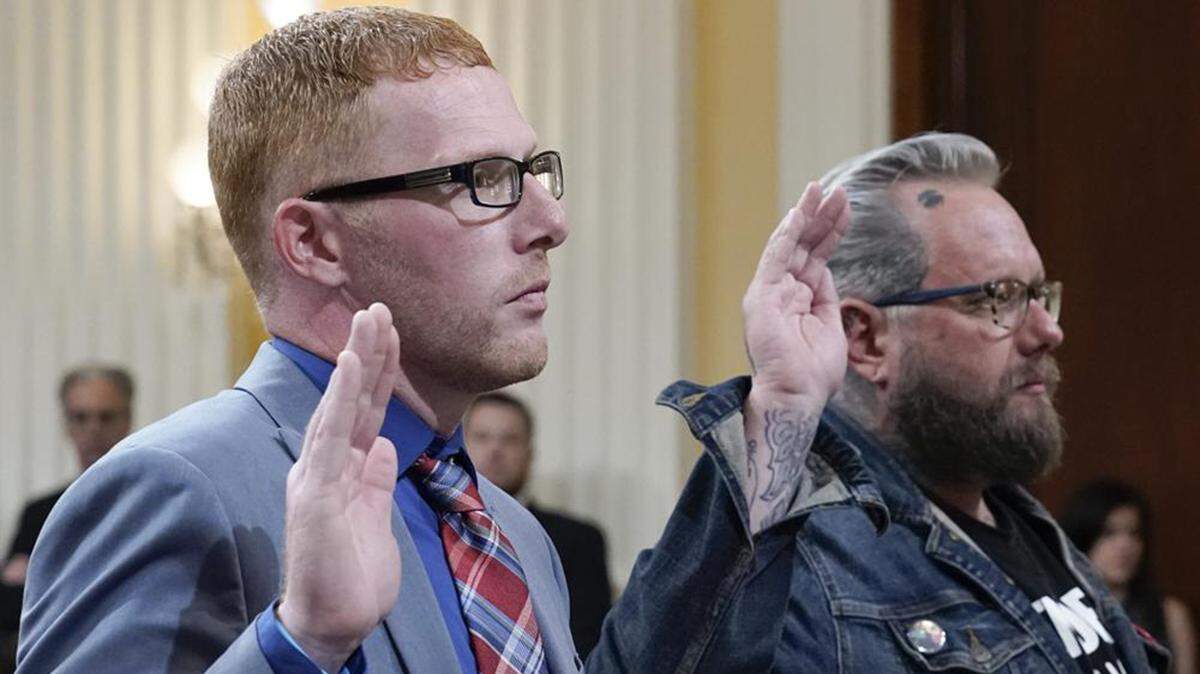
Stephen Ayres, a Champion man who was at the Capitol during the deadly riot on Jan. 6, 2021, said he felt duped by former President Donald Trump and his “Big Lie” that the 2020 election was stolen.
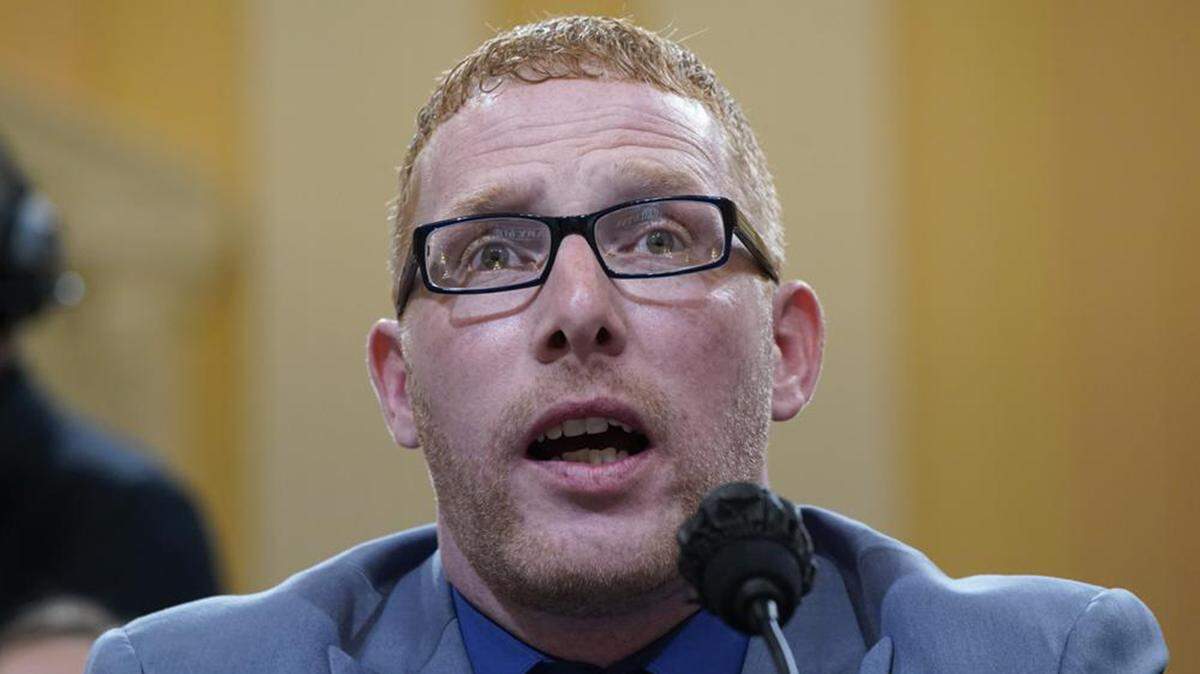
“It makes me mad. I was hanging on every word he was saying, everything he was putting out I was following,” Ayres, 39, told the select House committee investigating the attack during a Tuesday hearing in Washington.
“If I was doing it, hundreds of thousands of other people were doing it, or may still be doing it,” he said. “Who knows? When the next election comes out, they could be on the same path we’re on now.”
Ayres, who last month pleaded guilty in federal court to one misdemeanor count of disorderly and disruptive conduct in a restricted building or grounds, volunteered to testify during the committee’s seventh hearing, which analyzed the coordinated efforts of several far-right militias to breach the Capitol, including the Proud Boys, the Oath Keepers and the Three Percenters.
‘Be there, will be wild!’
Using the evidence presented Tuesday, committee members portrayed President Trump’s social media activity — beginning with a Dec. 19, 2020, Tweet that read, “Big protest on Jan. 6 … Be there, will be wild!” — as the rallying cry that brought thousands of demonstrators, including those radical extremists, to the Capitol that day.
Right-wing commentators like InfoWars’ Alex Jones latched on to the message. One streamer likened the upcoming rally to “the Red Wedding,” which committee member Rep. Jamie Raskin defined Tuesday as a “pop culture reference for mass slaughter.”
On sites like TheDonald.win, users shared plans and violent threats: “Bring handcuffs and wait near the tunnels,” one wrote. Others encouraged bringing weapons to the rally, according to committee evidence.
On Twitter, President Trump spoke to millions of followers, and referred to the rally in more than a dozen posts in the days before Jan. 6, Raskin said.
An unidentified former Twitter employee who handled content moderation for the social media platform and interviewed with the committee said: “It felt as if a mob was being organized and they were gathering together their weaponry and their logic and their reasoning behind why they were prepared to fight.
“What shocked me was the responses to these Tweets,” the employee said, some of which were along the lines of “I’m locked and loaded and ready for Civil War part two.”
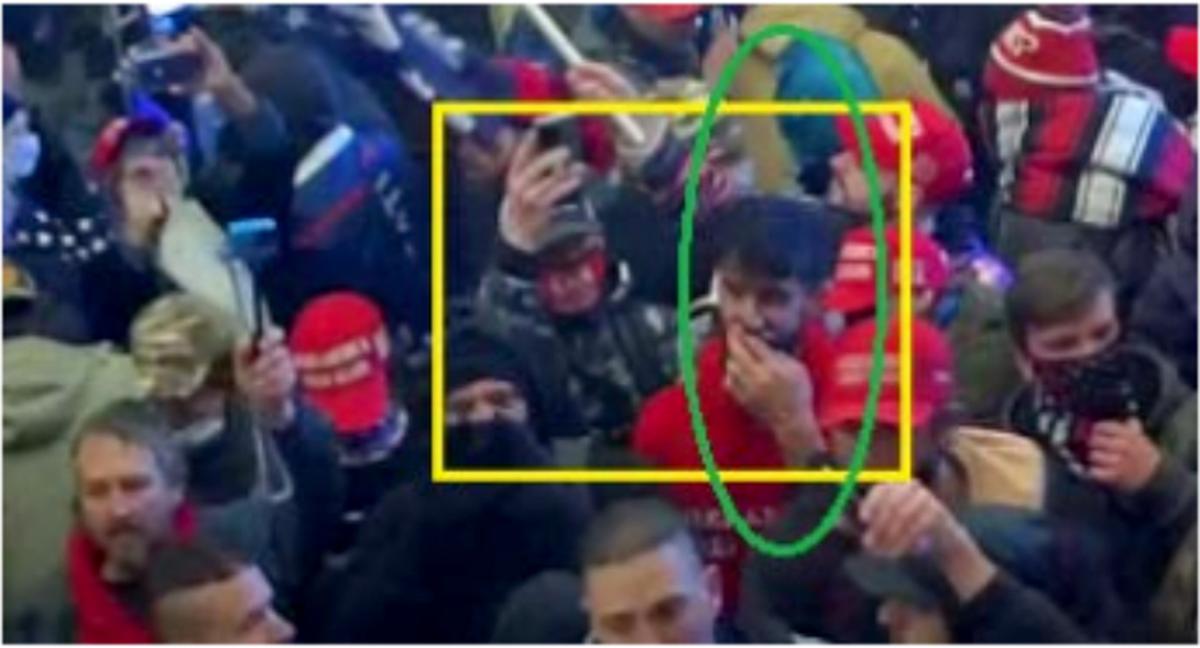
In a Dec. 26 Facebook post, Ayres himself called for “Civil War” should President Trump be “robbed” of the 2020 election, according to a federal affidavit. He later commented on the post that it was “time for us to start standing up to tyranny.”
“History is happening as we speak! ... It’s time for us partiers to stand up and act. Before it’s too late!!”
Ayres on Dec. 28 shared a Tweet from former President Donald Trump urging supporters to the Jan. 6 “Stop the Steal” rally. Days before the rally, he shared an article on vandalism at House Speaker Nancy Pelosi’s residence, and wrote, “This is just the beginning! The governors, senators, representatives, etc. … Really don’t have a clue what is coming!!”
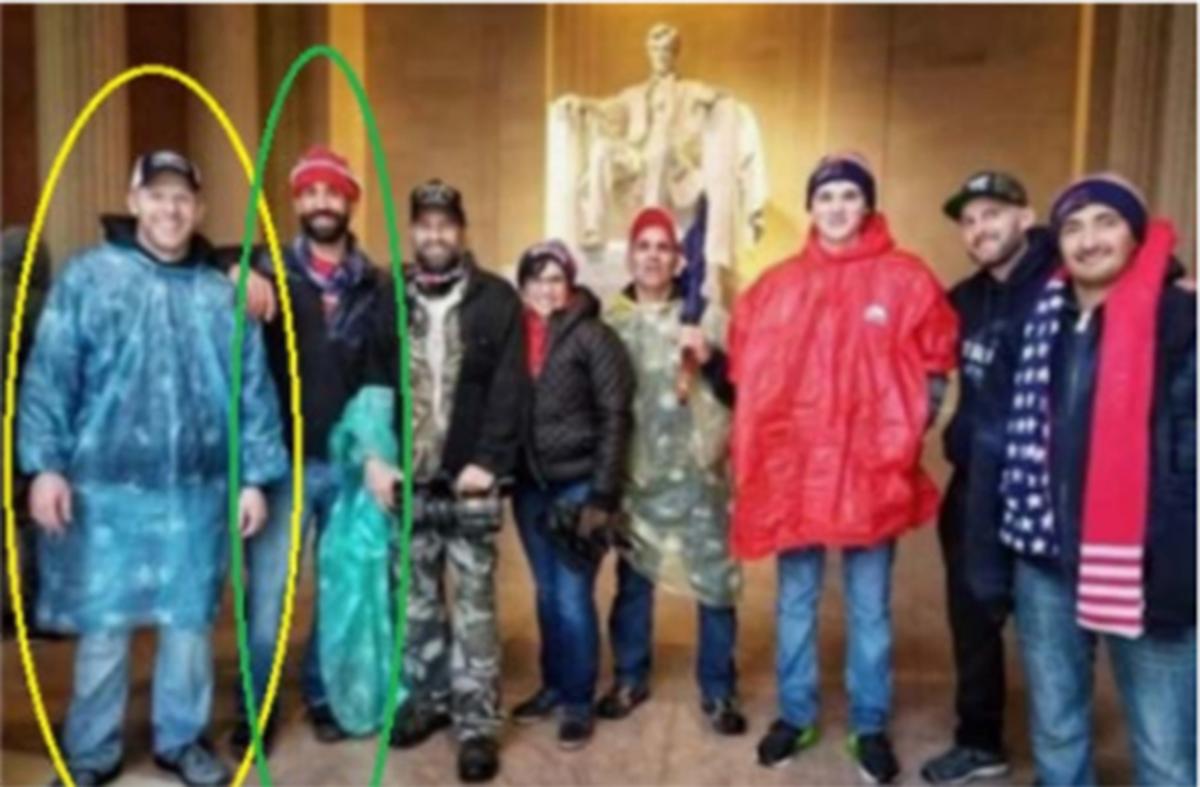
Ayres later recounted the riot in a video posted to YouTube, alongside his codefendant Matthew Perna of Sharpsville, Pennsylvania. In that video, Perna blamed the violence at the Capitol on antifa — a shorthand for a decentralized anti-fascist movement — according to Ayres’ criminal affidavit.
“It’s not over, trust me,” Ayres said, according to the statement. “The purpose of today was to expose [former Vice President Mike] Pence as a traitor.”
‘Take the blinders off’
But Ayres wasn’t a member of any extremist group, Rep. Bennie Thompson, committee chairman, said Tuesday. Until Jan. 6, he led the life of “any ordinary American citizen,” Thompson said.
Ayres on Tuesday described himself as “a family man,” keen on camping, basketball and playing games with his son. He worked for the same northeast Ohio cabinet company for nearly 20 years, where he eventually became a supervisor.
He also followed President Trump very closely online and said he absorbed the president’s false claims about fraud in the 2020 election. Ayres told the committee he was “very upset, as were most of his supporters.
“That’s basically what got me to come down here,” he said.
As falsely claimed by President Trump, Ayres believed former Vice President Mike Pence had the power to unilaterally overturn the election results, sending them “back to the states.” Ayres told the committee he initially didn’t intend on marching to the Capitol.
“I was already worked up, and so were most of the people there,” he testified. “Also, the whole time on our way down there, we kept hearing about this ‘big reveal.’ We kind of thought that was it. That hope was there.”
He also said he and others thought President Trump was marching alongside them — but he was not, the committee has shown.
Ayres entered the Capitol Building through its Senate Wing doors just before 3 p.m., after makeshift police barriers had been breached, alongside the mob that was “chanting and parading inside the Capitol,” according to a statement of offense that he acknowledged in May.
Had Ayres been carrying a weapon or harmed others during the riot, that charge would have been upgraded to a felony, his plea agreement noted.
“I was just holding my phone,” Ayres said Tuesday. “But, at the same time, I was there. … It changed my life. Not for the good.”
Ayres said it wasn’t until about 4 p.m. that day, when President Trump urged rioters to go home, that Ayres and his group left the Capitol, though others stayed behind.
After being charged in the riot, Ayres told the committee he lost his job and faced financial hardship.
He said Tuesday he no longer supports the former president. He’s since made a clean break from social media, and has started independently verifying the information he reads online, he said.
“For [widespread election fraud] to actually take place — it’s too big. There’s no way to keep something like that quiet — as big as something like that, with all the lawsuits being shot down one after the other. That was mainly what convinced me,” Ayres said Tuesday.
Ayres, whose wife joined him at Tuesday’s hearing, told the committee he loves his country and his family.
“I don’t think one man is bigger than either one of those. I think that’s what needs to be taken [away],” he said.
“People dive into the politics, and for me, I felt like I had horse blinders on. I was locked in the whole time,” Ayres said. “The biggest thing for me is: Take the blinders off. Make sure you step back and see what’s going on before it’s too late.”
What’s next
Ayres initially faced felony and misdemeanor counts. As part of his plea agreement, three of those four non-violent charges were dropped. He has no prior criminal convictions, according to the U.S. Department of Justice.
Ayres faces a maximum possible sentence of one year in prison and a maximum fine of $100,000, but prosecutors recommended he serve zero to six months in prison and pay a fine of between $2,000 and $20,000.
His sentence will ultimately be decided by the judge when he returns to court on Sept. 13.
Perna turned himself in to the FBI and admitted to investigators that he entered the Capitol Building briefly. He was charged with obstruction, entering a restricted building and two disorderly conduct charges, according to Justice Department records. He pleaded guilty to those charges on Dec. 17.
Perna died by suicide on Feb. 25, less than a week before his sentencing date. In his obituary published in the Sharon Herald, Perna’s relatives said the man died “of a broken heart” and that he attended the Jan. 6 rally to “peacefully stand up for his beliefs.”