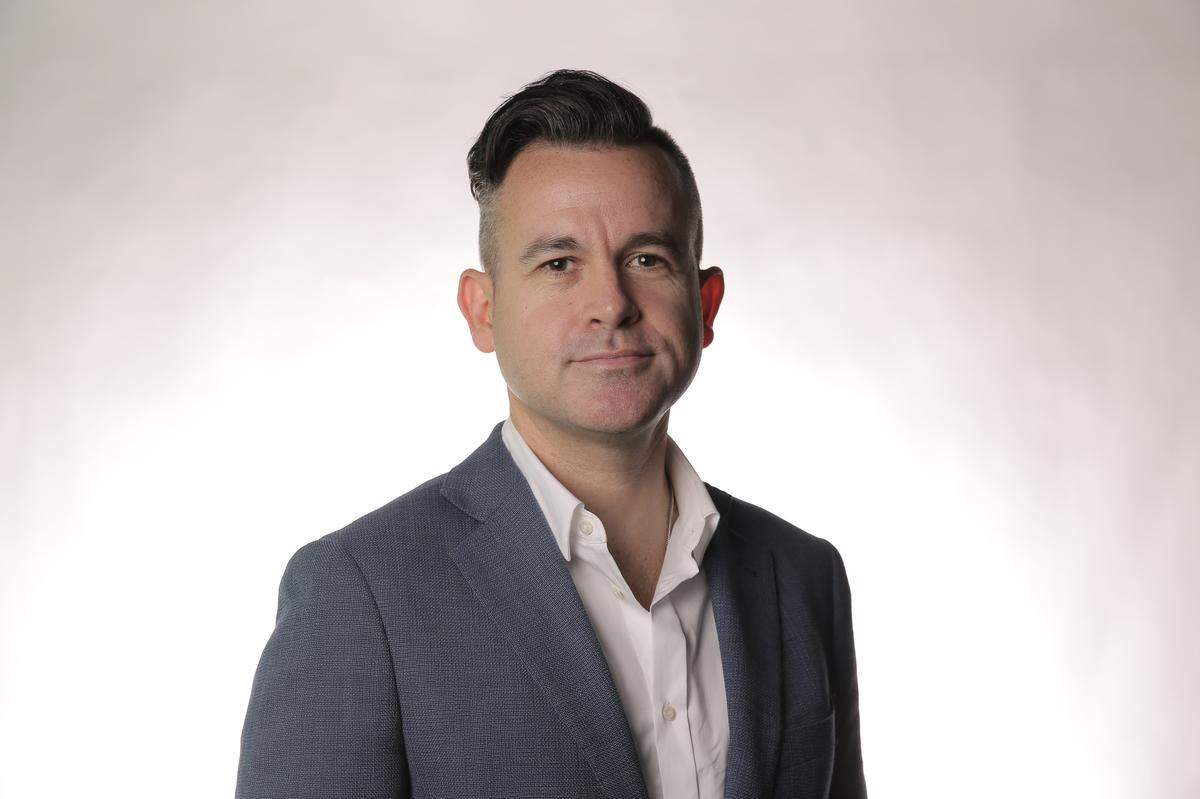
Norfolk Southern CEO dodges compensation commitments at East Palestine congressional hearing
Norfolk Southern CEO Alan Shaw told Congress on Thursday he would “do what’s right” for the residents affected by the East Palestine train derailment, but declined to make specific commitments on compensation and healthcare.
When asked by Democratic Sen. Ed Markey of Massachusetts if he would compensate homeowners for diminished property values in the aftermath of the Feb. 3 accident that led to a chemical spill, Shaw relied on a refrain he used repeatedly at the hearing before the Senate Environment and Public Works Committee.
“Senator, I’m committing to do what’s right,” Shaw said.
To which Markey responded, “Well, what’s right is a family that had a home worth $100,000 that is now worth $50,000, will probably never be able to sell that home for $100,000 again.”
“Will you compensate that family for that loss?,” Markey pressed.
“Senator, I’m committed to do what’s right,” Shaw replied again.
When Sen. Bernie Sanders, an independent who caucuses with Democrats, attempted to get Shaw to pledge to providing paid sick leave to all of his rail workers, he similarly declined.
“I will commit to continuing to discuss with them important quality of life issues,” Shaw responded.
Sanders, who noted that providing compensation to ill employees is hardly a “radical idea in 2023,” told Shaw, “You sound like a politician here.”
Shaw’s testimony before the committee came just hours before another Norfolk Southern train derailed in Alabama.
The Atlanta-headquartered Norfolk Southern Railway operates approximately 19,300 route miles in 22 states and the District of Columbia, transporting industrial, agricultural and chemical products, among other materials.
Ohio Sen. Sherrod Brown, a Democrat, testified before the committee that the accident was a result of Norfolk Southern’s focus on profits over safety.
“East Palestine, Steubenville, Sandusky and just a week ago Springfield,” Brown said, ticking off four Ohio towns that have experienced train derailments in the past five months. “The company followed the Wall Street business model: Boost profits by cutting costs at all costs. The consequences for places like East Palestine be damned.”
Shaw did say he was “deeply sorry” for the derailment and at one point said “everything’s on the table,” regarding what changes he could ultimately support.
But he would not endorse a bipartisan piece of legislation introduced last week aimed at attempting to reduce the amount of railroad accidents in the future.
That bill, sponsored by Brown and his Republican colleague, Sen. J.D. Vance, as well as both of Pennsylvania’s senators, would require tighter safety measures for trains carrying hazardous materials like the one passing through East Palestine. Stronger inspections, higher minimum crew sizes and bigger penalties for violations are at the heart of the bill.
Norfolk Southern indicated earlier this week it would install 200 heat detectors on its rail network in order to detect overheating that contributed to the accident.
In his testimony, Vance centered on a more immediate issue, complaining that the company and Environmental Protection Agency has been slow to remove “piles of dirt … filled with toxic chemicals that haven’t been moved out of the state.”
“What happens if it rains? What happens if the very toxic dirt that we just dug out of the ground begins to seep back into the ground, causing problems for the air and water for the residents in East Palestine?,” Vance asked, pressing the EPA cut red tape to facilitate the discharge of the contaminated soil.
At one point in the hearing, Shaw couldn’t identify where the waste was being transported, causing frustration among senators.
Pennsylvania Sen. John Fetterman, who was unable to attend the hearing in person due to his ongoing recovery from clinical depression, submitted questions to be read aloud to Shaw.
This story was originally published March 9, 2023 at 3:52 PM with the headline "Norfolk Southern CEO dodges compensation commitments at East Palestine congressional hearing."