
DAVID BETRAS: A legal analysis about the rape and defamation case against former President Donald Trump
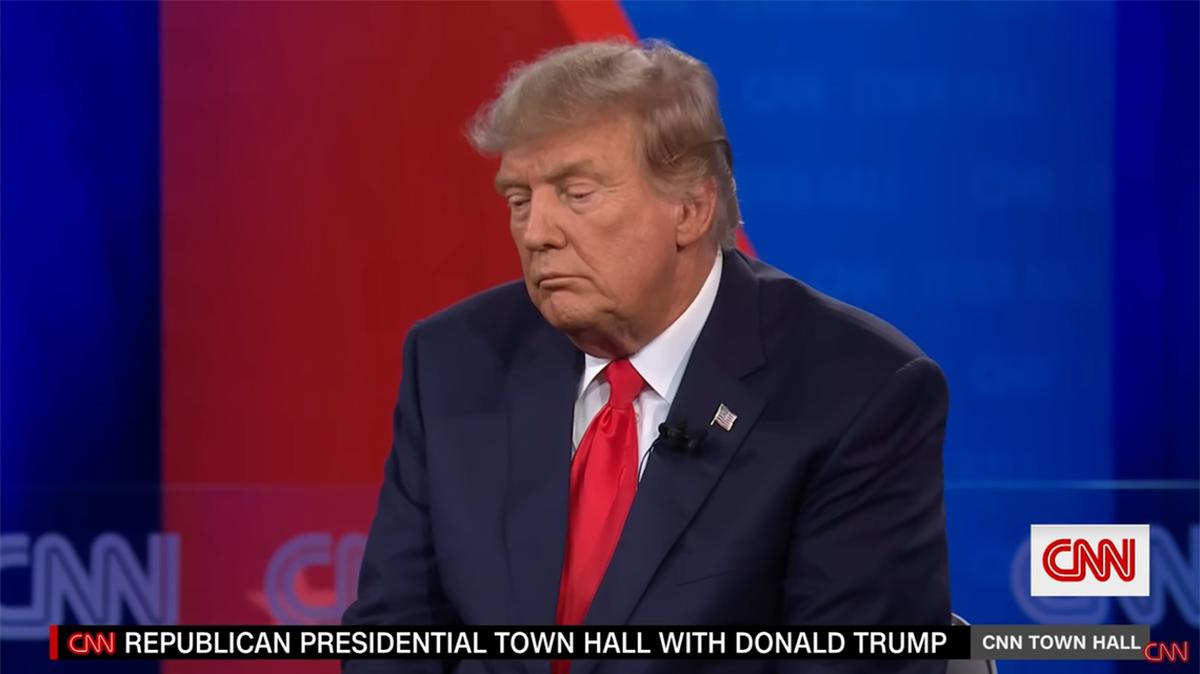
I’ve said it before, and I’ll repeat it — maybe 100 times or more, given the sheer number of cases citations that contain the words Some governmental entity or private citizen v. Donald J. Trump — the once and potentially future president is a surefire cure for writer’s block.
Day after day, week after week, his legal entanglements allow me to address arcane and obscure areas of the law.
This week, that opportunity arrives courtesy of E. Jean Carroll v. Donald J. Trump, a federal civil suit in which the 79-year-old writer alleged that the former occupant of the Oval Office had raped her in the dressing room of a New York department store 30 years ago and defamed her last October when he posted on Truth Social, the Twitter-like internet platform he owns, that the case was “a complete con job” and “a hoax and a lie.”
As usual, I will not comment on the case’s merits. But it does provide context for another session of Professor Dave’s shade tree law school, so listen up, class, put both feet on the floor, and of course, no gum chewing is allowed.
What constitutes “clear and convincing” evidence
First topic: what constitutes “clear and convincing” evidence, the burden of proof Ms. Carroll and her attorneys were required to meet in the civil defamation case. According to Cornell Law School’s Legal Information Institute, there are three standards of evidence: preponderance in which the burden of proof is met if there is a greater than 50% chance the claim being made is accurate, clear and convincing, which means the evidence presented is highly and substantially more likely to be true than untrue, and beyond a reasonable doubt the standard in criminal cases which requires the jury to be virtually certain of the defendant’s guilt.
The nine-member jury in the case found that Ms. Carroll and her attorneys had met the clear and convincing standard related to the defamation claim. Still, they rejected the rape allegation and instead found that Mr. Trump had sexually abused her.
She was awarded $5 million in damages.
Mr. Trump’s attorneys have vowed to appeal.
What the heck is defamation?
Second topic: what the heck is defamation?
Once again, we turn to Cornell’s Legal Information Institute, which defines defamation as a statement made by one party that injures the reputation of another.
Statements expressed in print, writing, pictures, signs, puppets, or any other physical form are considered defamatory.
Those that are spoken are deemed slanderous. To prove defamation, a plaintiff must show four things:
- A false statement was purported to be factual.
- The statement was communicated to a third person or persons.
- The idea was negligent.
- The subject of the message was harmed or damaged.
In addition to those elements, jurors in the Carroll case also found that Mr. Trump had acted “maliciously, out of hatred, ill will, spite, or wanton, reckless, or willful disregard of the rights of another” and awarded her $1.98 million.
What is the difference between rape and sexual abuse?
The third topic, what is the difference between rape and sexual abuse?
The standard of proof in this civil case is less than in the defamation case.
It is by a ponderance of the evidence.
In other words, just slightly over 50%.
Sexual abuse is defined as subjecting a person to sexual contact without consent. Rape is defined as sexual intercourse or any penetration without permission.
It is unclear why the jury did not accept the rape claim.
The jurors themselves have not commented and legal scholars and observers have offered several conflicting explanations ranging from unclear instruction from the judge, lack of clarity in Ms. Carroll’s testimony, and the possibility that jurors were reluctant to brand Mr. Trump a rapist.
In any case, the jury found Mr. Trump had abused and injured her and awarded her $2 million.
That ends class today.
Thank you for attending and paying attention. I don’t know when the next session of shade tree law school will be conducted, but I do suspect it will involve a particular former president’s involvement in a scheme to overturn an election in Georgia.
Stay tuned; it should be intriguing.
David J. Betras can be reached at 330-746-8484 or dbetras@bkmlaws.com.
----------------------------------------------------------------------------------------
(EDITOR’S NOTE: Get the latest Mahoning Valley news in your email inbox weekday mornings. Sign up here for our free daily newsletter.)
-----------------------------------------------------------------------------------------
Here’s how you can support Mahoning Matters.
-----------------------------------------------------------------------------------------
Follow Mahoning Matters on Facebook, Twitter and LinkedIn.