
Tips for preventing tick-borne illnesses this summer
Have you ever been bitten by a tick or mosquito?
What are the risks of getting a disease from being bitten by one of these typical pesky summer insects? When should you seek treatment for a bad bite?
Here’s what you need to know about the risks from an expert in the field, Dr. Frank Migliore.
Dr. Migliore is a rheumatologist at Mercy Health. He sees patients with contracted diseases affecting their musculoskeletal system and causing pain, like arthritis, autoimmune rheumatic diseases and Lyme disease.
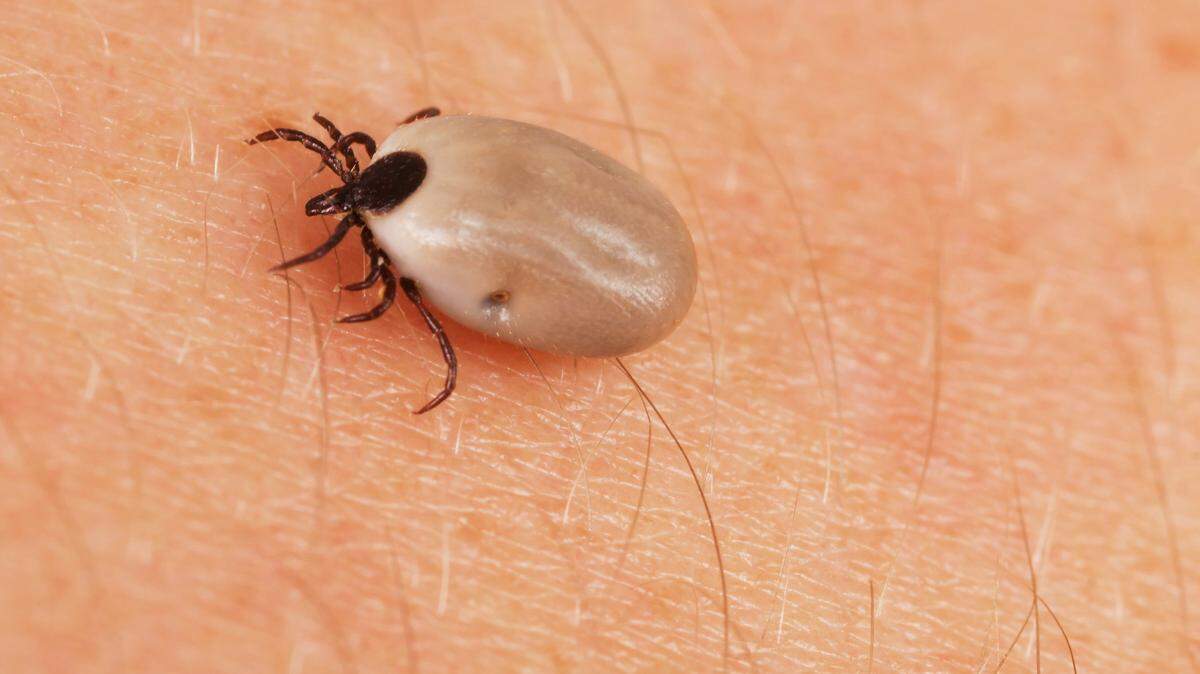
What do tick bites look like?
Dr. Migliore explained when deer ticks and their young, called nymph ticks, are most active.
“They’re most active certainly during the summer and wooded areas is typically where they’re most prevalent,” said Dr. Migliore. “Actually, a lot of times, when we diagnose patients with lyme disease...[patients] never actually see it. A lot of times when the adults bite, you can see because they’re bigger. So the nymph ticks, because they’re small, a lot of times that’s what transmits Lyme disease, because you never see them because there’s so little.”
He said when you do see these ticks, they’ll usually look like minor black bugs that can appear “engorged” with blood if they’ve been on you long enough.
“They do sometimes try to hide in sensitive areas,” he said. “Even when you’re outside, if you get a tick and it gets on your arm or your leg, a lot of times they will crawl around a little bit to find a softer spot before they actually bite you.”
What is Lyme disease and how is it transmitted?
According to Dr. Migliore, Borrelia burgdorferi, or Lyme disease, is the leading risk when dealing with tick-borne illnesses. Both nymphs and adults can transmit the disease.
“It’s a bacteria that’s transmitted from the ticks,” Dr. Migliore explained, saying the bacteria first spread from white-footed mice to white-tailed deer.
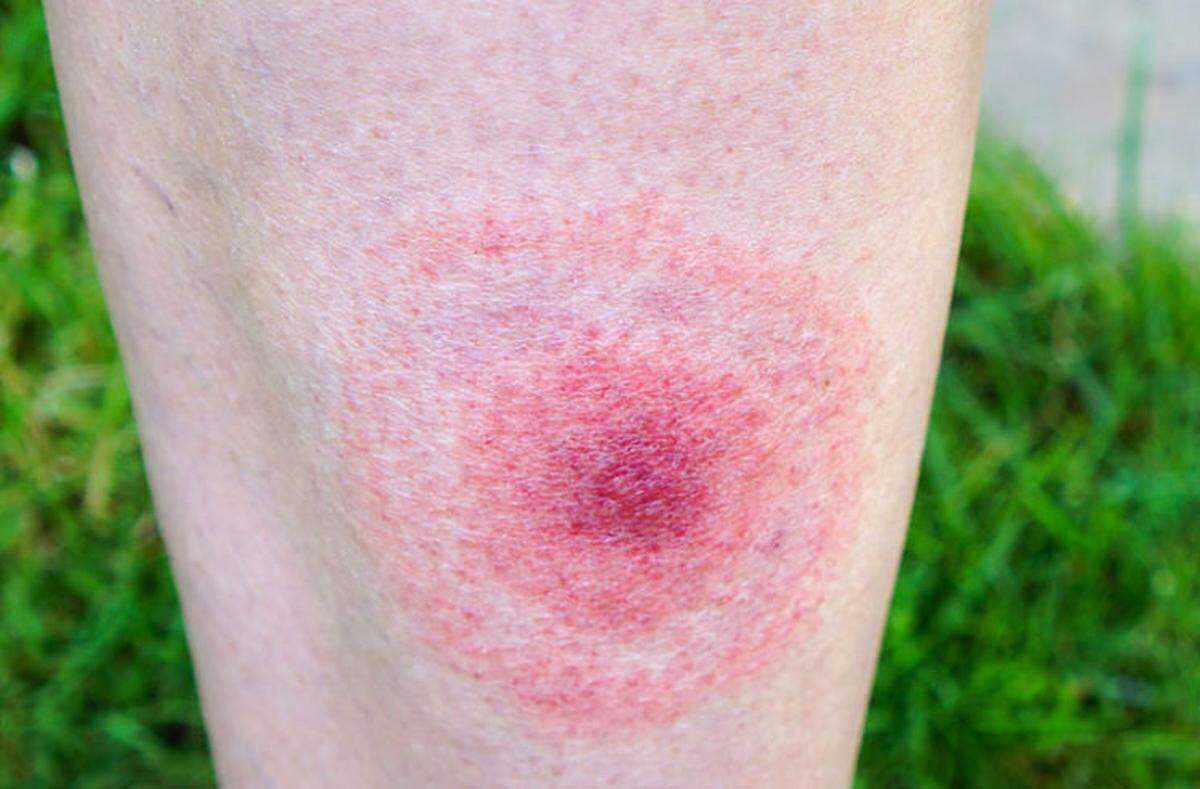
“With the increased deer population, there’s more ticks. So that’s kind of where that name kind of ties in even though they get it from the mouse,” he said. “With Borrelia burgdorferi, sometimes we will see a target rash or a bullseye rash -- that’s a lot of times the common presenting symptom, but not everyone gets that. There could be early localized infection which usually happens shortly after a tick bite, as well as some nonspecific symptoms like, fever, fatigue, muscle aches, joint aches, those sorts of things.”
Dr. Migliore explained there a sere often severe neurologic manifestations of Lyme disease in the later stages of the disease if it’s left untreated.
“Sometimes we see like a Bell’s palsy-like syndrome with a facial droop on one side,” he said. “If it is allowed to persist long enough, it sometimes can actually affect some of the electrical mechanisms in the heart and more severe neurologic manifestations. Patients in the late phase of the disease, that;s where we kind of tie in in rheumatology treatment. Sometimes it can cause an inflammatory arthritis, swollen joints, but it can have a lot of different manifestations depending on the course of the disease.”
Dr. Migliore said he’s already treated a handful of patients who contracted the disease this summer.
“Some of these late manifestations, the bite itself could have happened, months or even, a year or two sometimes before you have symptoms,” he said. “Even though we think of the summer, if you have symptoms in the winter, it doesn’t mean that it can’t be from Lyme disease or a tick bite. It may have occurred in the summer, and you’re just kind of now having the manifestations.”
What should you do if you find a tick bite?
Watch for tick bites and some of the symptoms Dr. Migliore mentioned. Here’s what he said to do if you find out you’ve been bitten.
“If you see a tick, you absolutely want to get checked out there,” he said. “It’s good if you can get into your primary care doctor early, or an urgent care, because if we catch that early, a lot of times, we can give you a just a single dose of doxycycline and that will kind of nip it in the bud and, prevent it from progressing.“
But you often won’t see it, so Dr. Migliore recommends getting checked out if you’re having unexplainable pains or fever.
“You want to at least see your primary doctor, whether it turns out to be Lyme or not, but many of these things we see are nonspecific, so sometimes it’s a difficult diagnosis to make.
Some of the symptoms include a target rash, fever for an unknown reason, joint aches, muscle aches and any signs of stroke,
What are some tips for protecting yourself against ticks outdoors doing things like camping?
Ohio Department of Health director Bruce Vanderhoff encourages people to take precautions to prevent tick and mosquito bites and the diseases they may carry.
Tips to protect yourself from ticks include:
- Avoid wooded and brushy areas with high grass and leaf litter.
- Walk in the center of the trails.
- Use insect repellents registered by the U.S. Environmental Protection Agency (EPA) labeled for use against ticks on exposed skin for several hours of protection. Always follow the product label.
- Tuck pant legs into socks or boots and tuck shirts into pants to keep ticks on the outside of your clothing.
- Light-colored clothing will help you spot ticks more easily.
CONNECT WITH US
WEB SITE ► https://www.mahoningmatters.com
DAILY NEWS EMAIL ► https://www.mahoningmatters.com/customer-service/newsletter-signup/
FACEBOOK ► https://www.facebook.com/mahoningmatters
TWITTER ► https://twitter.com/mahoningmatters
YOUTUBE ► https://www.youtube.com/@mahoningmatters2814
INSTAGRAM ► https://www.instagram.com/mahoningmatters
SUPPORT US ► https://givebutter.com/vNfzEW
This story was originally published July 4, 2023 at 7:43 AM.