
Ohio’s new Distracted Driving Law launches today: Here’s what you can and can’t do
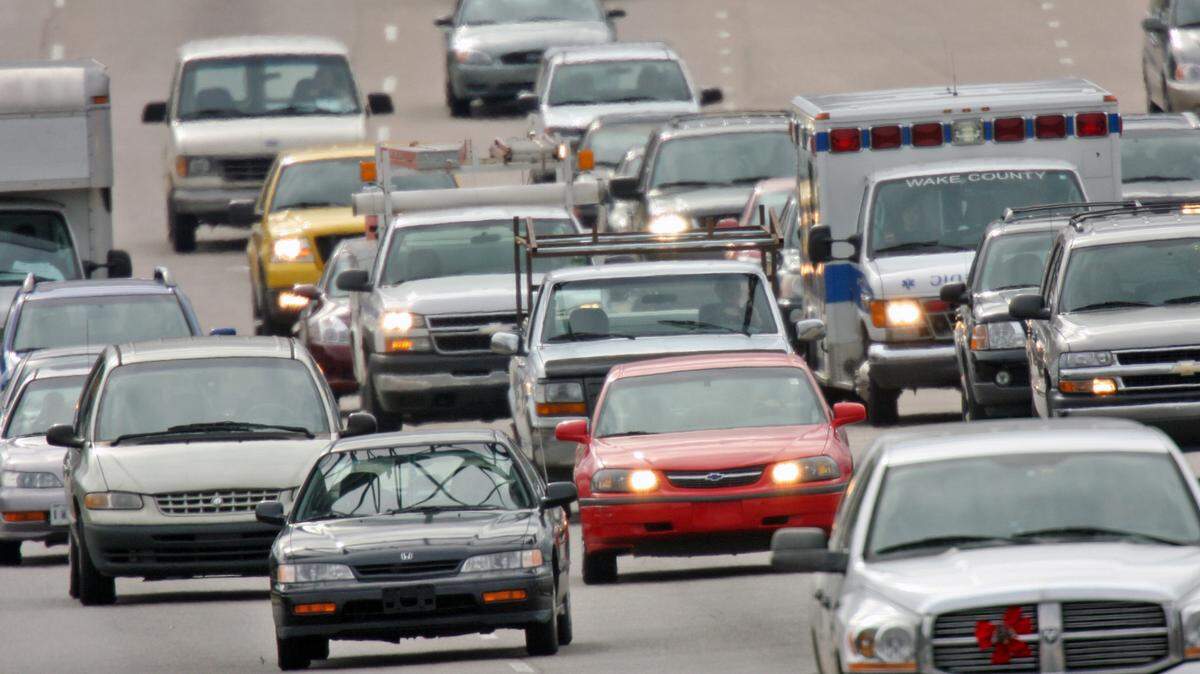
Ohio’s Distracted Driving Law takes full effect today as officers can issue written citations for those who break the law.
Here’s what we know about the law.
What you can’t do while driving
Officials say while driving, anything that involves using, holding, or supporting a device is not allowed, including:
- Dialing a phone number
- Sending text messages
- Updating or browsing social media
- Video calls
- Browsing the internet
- Watching, recording, or streaming videos
- Playing games
What can you do on a device while driving?
The Ohio Department of Transportation and the Ohio Department of Public Safety say the law allows drivers over 18 to make or receive phone calls using “hands-free” technology, which includes:
- Speakerphone
- Earpiece
- Wireless headset
- Electronic watch
- Connecting phone to vehicle
Drivers over 18 can listen to apps on devices and use maps as long as they start them before driving or use a single touch to activate them.
What are the penalties?
Here are what the state says offending drivers face for breaking the law:
- First offense in two years: Two points assessed to driver’s license, up to a $150 fine.
- Completion of a distracted driving course can help avoid fine and points.
- Second offense in two years: 3 points assessed to license, up to a $250 fine.
- Third or more in two years: 4 points assessed to license, up to a $500 fine, possible
- 90-day suspension of driver’s license.
- Fines doubled for offenses that occur in construction zones.
What are the exceptions?
The Ohio Department of Public Safety says exceptions for drivers over 18 years old include:
- Reporting an emergency to law enforcement, hospital, health care provider, fire department, or similar emergency entity.
- Holding a phone to their ear only during phone conversations if the call is started or stopped with a single touch or swipe.
- Holding or using cell phones and other electronic devices while stopped at a traffic light or parked on a road or highway during an emergency or road closure.
- First responders (law enforcement, fire, EMS), use electronic devices as part of their official duties.
- Utility workers operating utility vehicles in specific emergency or outage situations.
- Licensed operators using an amateur radio.
- Commercial truck drivers using a mobile data terminal.
CONNECT WITH US
WEB SITE ► https://www.mahoningmatters.com
DAILY NEWS EMAIL ► https://www.mahoningmatters.com/customer-service/newsletter-signup/
FACEBOOK ► https://www.facebook.com/mahoningmatters
TWITTER ► https://twitter.com/mahoningmatters
YOUTUBE ► https://www.youtube.com/@mahoningmatters2814
INSTAGRAM ► https://www.instagram.com/mahoningmatters
SUPPORT US ► https://givebutter.com/vNfzEW
This story was originally published October 5, 2023 at 6:44 AM.