Are hummingbirds back in Ohio yet? Here’s how to prepare & put out feeders
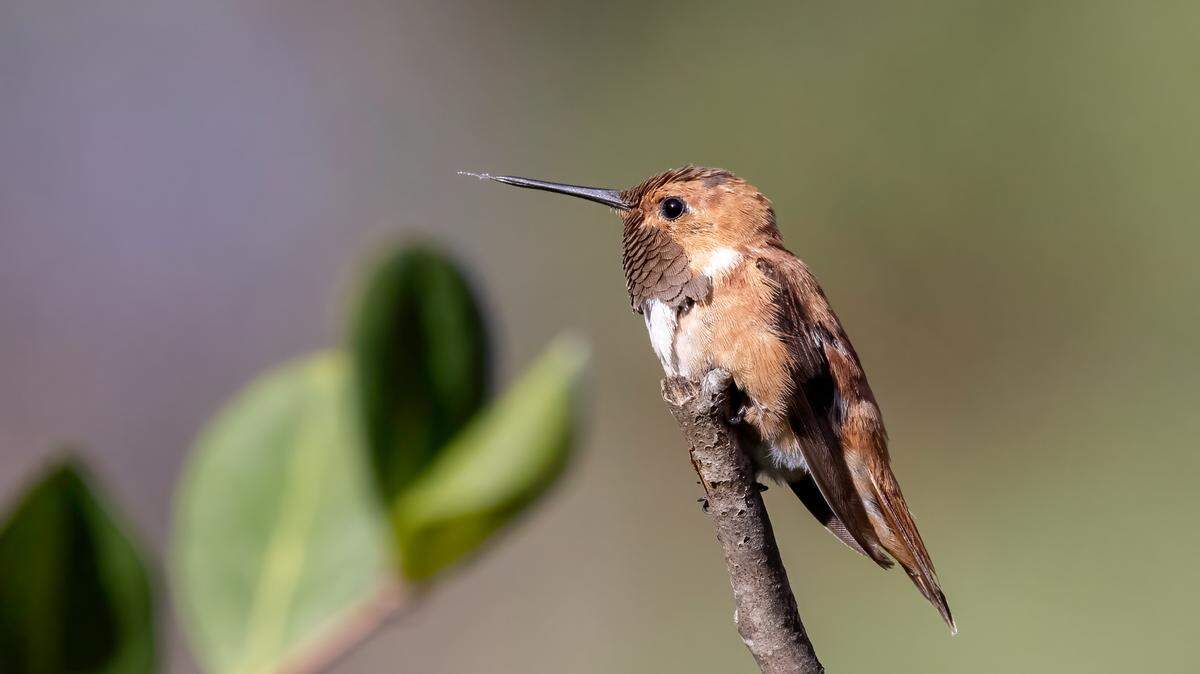
Spring may not be here just yet, but the hunt for hummingbirds starts early in Ohio, especially when the weather has convinced many of us to keep the flip flops on standby.
According to Hummingbirds Plus, “When the days become longer and the weather becomes a little bit better, hummingbirds make their way back up north through most of the United States. This migration process usually starts around the end of February, and by March people will start to notice hummingbirds in different areas.”
Are they here yet?
There have been no recorded sightings in Ohio as of yet.
According to Hummingbird Central’s migration maps of sightings, a migrant rufous hummingbird was seen in Thibodaux, Louisiana, on Jan. 20 and a bull-bellied hummingbird was spotted in Mandeville, Louisiana, on Jan. 9. This week, a ruby-throated hummingbird was seen in Bay Minette, Alabama.
It takes almost two full months for hummingbirds to migrate across the whole country, from the south to the north. Hummingbirds Plus has a migration map that shows migration from March 1 to May 10, and hummingbirds are expected in Northeast Ohio between April 20 and May 1.
By the end of March, the most common hummingbird, the ruby red-throated hummingbird, arrives and sticks around through November, according to the Mississippi State Extension Office.
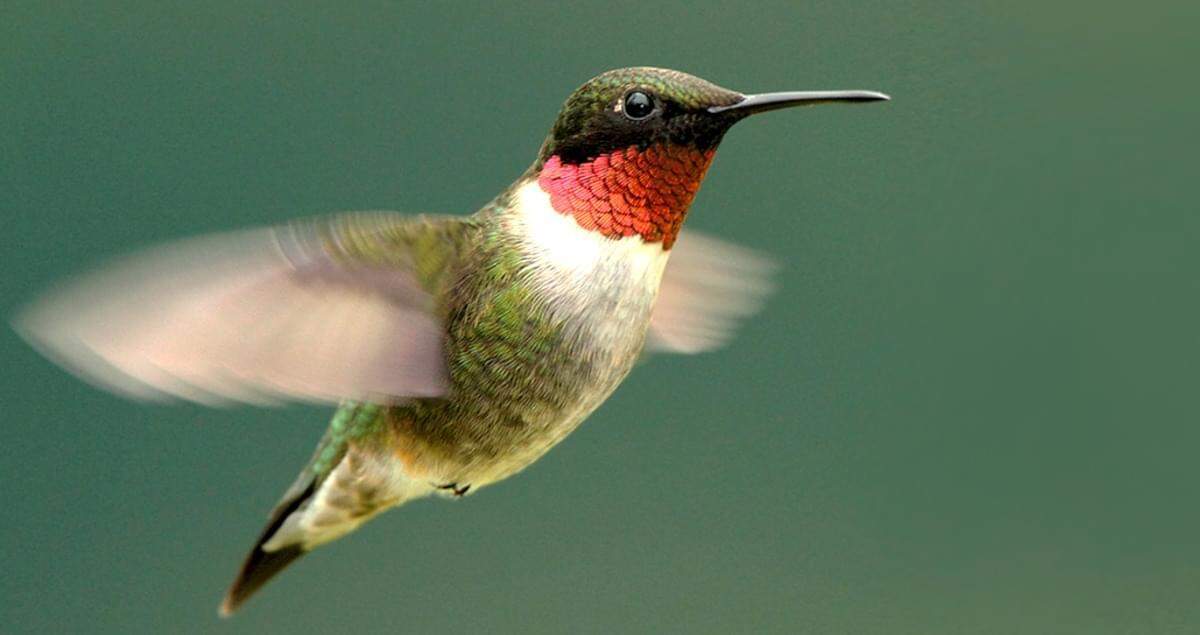
The ruby red-throated hummingbird is the only hummingbird known to breed east of the Mississippi River, but other species of hummingbirds have been known to appear on the Gulf Coast.
Here’s how to prepare for their arrival:
When to put up feeders
Some believe you should only put your feeders out during the spring months, but according to Wild Bird Scoop, you can actually leave one out all year.
“Typically, feeders for migrating species should be taken down only after no more hummingbirds are seen for a couple of weeks,” said Elizabeth Waddington of Wild Bird Scoop. “If there are year-round occupants in your area, you might also consider leaving your hummingbird feeders out for the entire year to provide for winter residents.”
If you like to only put them out during spring months, Wild Bird Scoop recommends putting them out in February.
How to make hummingbird feed
Here are directions from the Georgia Department of Natural Resources (GA DNR) on how to make the best and healthiest hummingbird feed:
The best solution consists of one part sugar to four parts water (this mirrors the sugar concentration of the nectar found in flowers). Boil the water for 2—3 minutes before adding sugar. Cool and store the mixture in a refrigerator until you are ready to use it.
There is no need to add red food coloring. Hummingbirds are attracted to the red color of the feeder and do not prefer red nectar to clear.
Select a feeder that is easy to clean and does not drip. In warm weather, change nectar every two to three days or before it gets cloudy.
Periodically clean feeders, making sure that mold and bacteria are removed. Feeders can be easily cleaned by soaking them in a solution of one part bleach and 10 parts water. Thoroughly rinse the feeders before using them again.
Plants that grow and attract hummingbirds
.jpeg "image2 (9).jpeg")
Hummingbirds follow the bloomtime of flowering plants. The larger the variety you plant, the larger the variety of birds will be seen. Increasing the number of plants and grouping them together will also have an impact.
If you don’t normally get many hummingbirds, here are a few suggested additions to get your garden ready for those little wings:
Begonia, fuschia, geranium, impatiens, lily, nasturtium, petunia and zinnia are great annuals for a hummingbird-friendly garden.
Include perennials like bee balm, blazing star, butterfly weed, canna, cardinal flower, carpet bugle, coral bells, four o’clock, lantana, penstemon, phlox, slavia, dianthus and verbena in your garden, too.
Be sure to include plenty of native trees, shrubs and climbers for shade to beat the heat, and include nectar plants and insect attractants that bloom during as much of the year as possible for a wildlife-friendly garden. Some great choices are the century plant, azalea, honeysuckle, morning glory, crabapple and hawthorne.
---
Ohio version of this story was adapted from reporting by McClatchy staffers Chelsea Madden and Mona Moore.
This story was originally published February 28, 2024 at 8:35 AM with the headline "Are hummingbirds back in Ohio yet? Here’s how to prepare & put out feeders."