Get ready to spring forward, Ohio. Here’s what to know
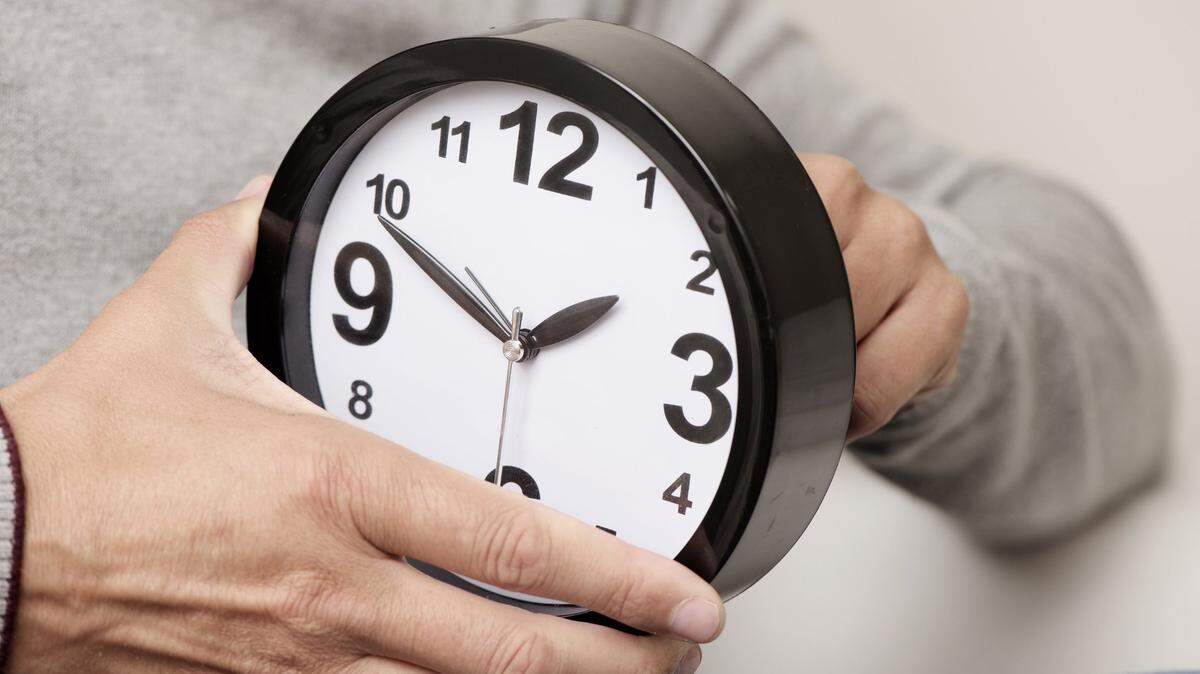
It’s nearly time to “spring forward.” Most of the U.S. will start saving that daylight and setting clocks ahead (springing forward) an hour on the second Sunday of March. This year, the second Sunday falls on March 10.
IS IT DAYLIGHT “SAVING” OR “SAVINGS” TIME?
According to Almanac.com, the correct term is without the extra “s,” “daylight saving time.” Or you can refer to it as “Spring Forward” or, as the Brits would say it, “Summer Time.”
WHO’S IN CHARGE?
The Department of Transportation oversees daylight saving time, rolling out the change at 2 a.m. on the second Sunday of March and the first Sunday of November.
If you notice a municipality is not observing DST, you can report it to the DOT by emailing regulationsC50.law@dot.gov.
The DOT has no say in whether or not a state chooses to observe daylight saving time.
WHAT IS THE PURPOSE OF DAYLIGHT SAVING TIME?
According to the DOT, standardized times started with the U.S. and Canadian railroads. In 1883, the railroads established four time zones to reduce the confusion of the hundred local “sun times” used by terminals across the country.
The states adopted the railroad time zones and the federal government started overseeing the zone assignments in 1918. DST started that year as a way to save gas and oil during wartime. It was repealed the following year, but many places kept it in place.
When the DOT was established in 1966, the department inherited the responsibility and included daylight saving time that year with the Uniform Time Act of 1966.
Daylight saving time saves energy and daylight during the spring and summer months when the sun rises earlier.
For eight months, DST structures your day to take advantage of as much daylight as possible. “Our mornings would be bright and cheerful, but the sun would tend to be set before we leave work each day. This stinks! This gives the average 9-5 adult very little time to enjoy sunlight,” said Dan Nosowitz, a writer for Popular Mechanics. “So during the spring, summer, and early autumn, we tweak it, just a bit, so that there’s more sunlight in the evening.”
During winter months, there’s no real advantage of keeping DST. “Winter is pretty much a dark hellworld no matter how it’s scheduled,” added Nosowitz.
WHAT’S THE BEST WAY TO PREPARE FOR DST?
You may lose sleep for one day, but remember, you’re gaining extra light when you’re more likely to be driving, working or enjoying the outdoors.
Here are a few tips to make next Sunday’s transition a smooth one.
- Stick to your regular bedtime routine.
- Avoid caffeine and alcohol before bedtime.
- Fill up on proteins for dinner and try to eat at the same time, if not a little earlier.
- Spend time outdoors. It’ll help your body’s natural clock reset.
- Take a short nap.
This story was originally published February 28, 2024 at 3:55 PM.