5 things we know about Parkinson’s disease after Bernie Kosar’s diagnosis

This week, former Cleveland Browns quarterback and Boardman High School graduate Bernie Kosar shared a heartbreaking health update on X.
Sixty-year-old Kosar said he has Parkinson’s disease and liver failure.
Parkinson’s is a progressive degenerative brain disorder that affects a patient’s nervous system and muscle movements.
What to know about Parkinson’s disease
According to the Cleveland Clinic, Parkinson’s isn’t curable, but doctors have come up with several different treatment options.
The average age at which symptoms of Parkinson’s disease start developing is 60 years old.
This month, the National Plan to End Parkinson’s Act became law.
How does Parkinson’s affect the body?
Medical experts shared when a patient is diagnosed with Parkinson’s, a specific area of their brain shows signs of deterioration.
It’s called the basal ganglia. This part of your brain sends signals to control voluntary muscle movements.
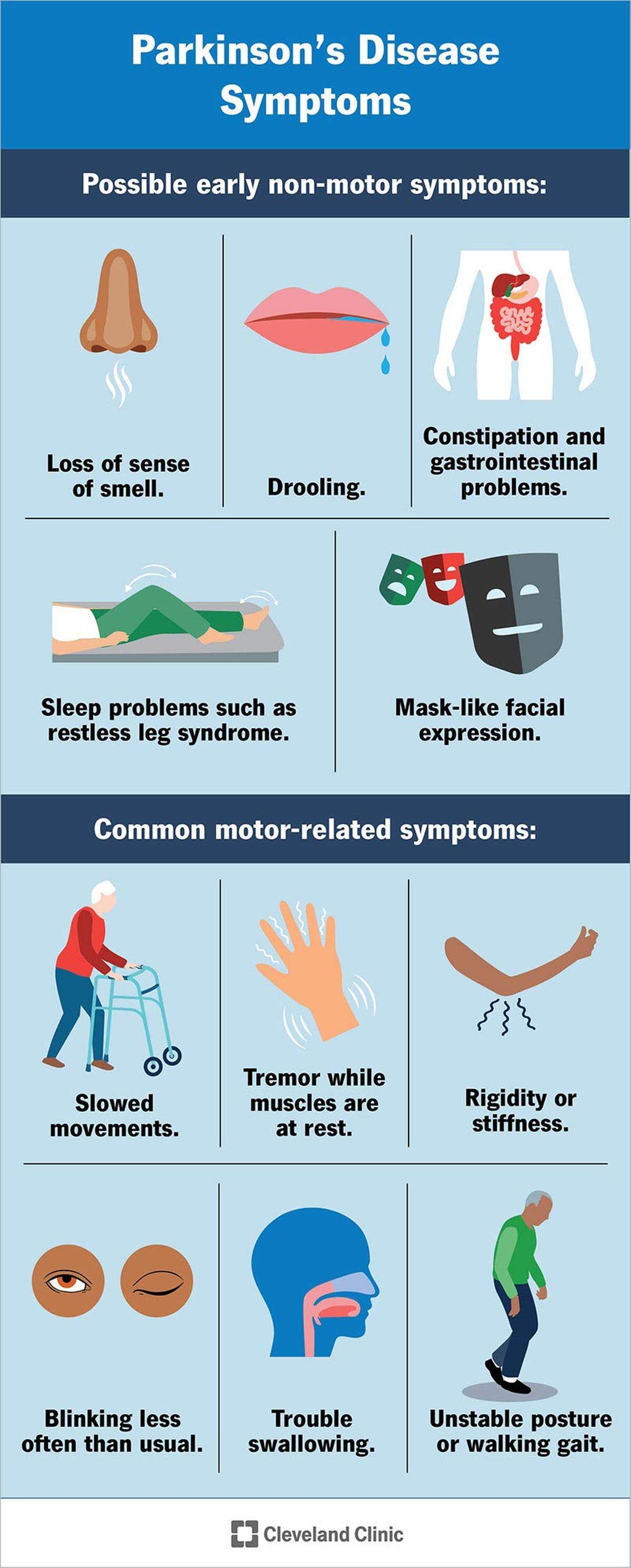
When damage starts showing in the basal ganglia, there’s a “major shift in your brain chemistry” and according to the Cleveland Clinic.
Muscle-related symptoms include slowed movements, rigidity, trouble swallowing and blinking less often.
Drooling can also become more prevalent when the patient’s brain loses control of the facial muscles.
About 80% of patients with Parkinson’s disease reported their muscles felt like they were trembling even while patients were still.
Patients also report having trouble thinking and focusing. Parkinson’s can cause a condition called Parkinson’s disease dementia.
How many people are diagnosed with Parkinson’s every year?
Parkinson’s disease is the most commonly diagnosed movement-related brain disease, according to the Cleveland Clinic.
A study in 2023 revealed the number of Parkinson’s disease cases being newly diagnosed per year is higher than expected.
The American Parkinson Disease Association said there are approximately 90,000 new cases of Parkinson’s diagnosed in the U.S. every year.
Men are more likely to be diagnosed with Parkinson’s disease.
What are the options for treatment?
When healthcare providers suspect Parkinson’s disease or need to rule out other conditions, they’ll conduct blood tests and PET and CT scans.
A fraction of Parkinson’s disease diagnoses are genetic, while a majority happen for reasons that are still unknown.
Patients go through different types of physical and occupational therapy for Parkinson’s and take medication to improve movement constraints.
There’s no way to prevent or reduce the risk of developing Parkinson’s, so if you have questions, contact your doctor or healthcare provider.
What is the life expectancy of someone diagnosed with Parkinson’s disease?
Experts say some patients diagnosed with Parkinson’s disease and typical cognitive function have had “a mostly normal life expectancy.”
Patients can often live to about the same age they would without the diagnosis.
Some of the conditions and factors related to Parkinson’s disease can reduce their life expectancy, like being at risk for falls.
Support our journalists with a tax-deductible donation
Sign up for our Mahoning Matters newsletter