Mercy Health Youngstown doctor explains health risks associated with smoking, vaping
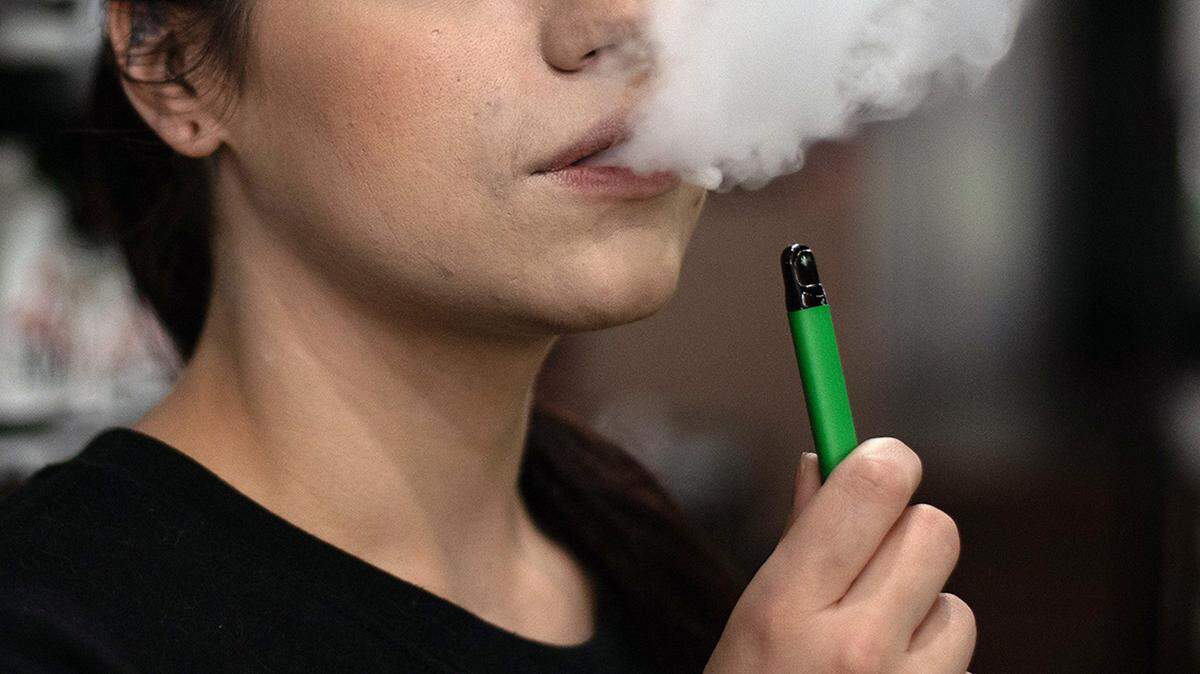
Doctors want people to know the risks of regularly bringing vapes, cigarettes and lots of smoke into the bedroom.
Youngstown native Dr. Anthony Boulos works at Mercy Health Youngstown, specializing in treating patients with respiratory system and critical lung diseases.
Dr. Boulos provides insight into how vaping and smoking affects different populations and ages, plus advice for Mahoning Valley residents wanting to quit.
What are the dangers of smoking/vaping inside?
A survey conducted by MattressNextDay showed over 20% of Ohioans regularly smoke or vape in bed.
Doctors say this habit has long-term health risks, including cardiovascular disease, lung cancer, chronic lung diseases and other serious conditions.
Not only are there health risks, but other potential dangers like starting a fire.
In 2020, the Ohio Fire Marshal released data and fire prevention safety tips after 137 people died from fires.
Smoking was the “top cause of all known fire fatalities” for 2020.
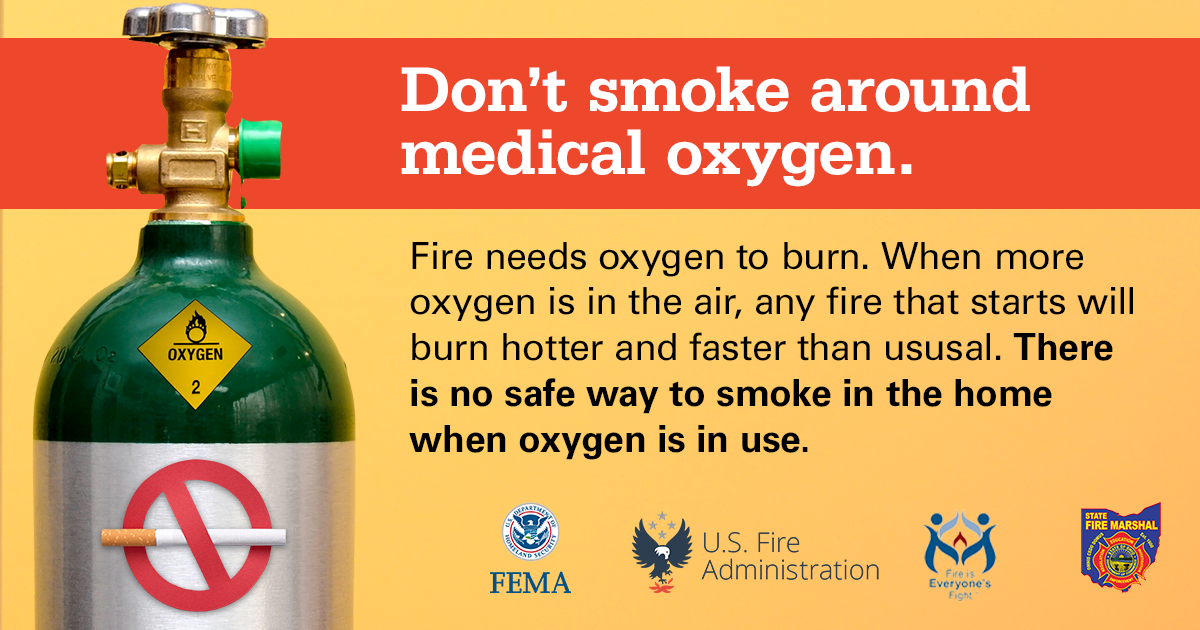
Fires can start when cigarettes left lit indoors, especially if there’s medical oxygen tanks in the space or lots of flammable objects like blankets.
Fires caused by e-cigarettes aren’t as common, but their consequences can be devastating.
According to a U.S. Fire Administration report, 121 electronic cigarettes caught on fire either “when the device was either in a pocket or actively in use.”
Vape lung disease, EVALI
Dr. Boulos said at Mercy Health, he’s treated lung problems caused by patients who vape.
Patients anywhere between 18 and 45 years old are starting to develop conditions like vape lung disease and EVALI.
It stands for electronic cigarette and vaping associated lung injury, according to the American Lung Association.
He said there’s a younger population gravitating toward vaping because it’s being advertised to them regularly.
“You get them addicted to the taste of nicotine, and you will have a lifelong customer, at least from the perspective of the companies making the vape products,” said Dr. Boulos.
He said respirator issues caused by smoking and vaping is becoming a rising concern for people between 18 and 45.
Toxins in environment
“Nicotine is something that will help people concentrate and focus,” said Dr. Boulos. “There’s hundreds to thousands of chemicals in cigarettes. But of that, there’s only maybe a couple hundred that are harmful that we know of, like cyanide and arsenic and carbon monoxide and ammonia.”
Dr. Boulos said while those added chemicals are harmful, they’re also addictive.
“That’s why they’re in there. It’s the addictive chemicals that will create dependency from the company,” he said.
A lot of harm happens when those chemicals are ingested and released in the environment, especially inside your house, according to Dr. Boulos.
“As you’re smoking the substance, second hand smoke can still create all those other problems. The people around you can feel the effects of that. And that’s a harm, that is a that is a harm, not only to the patient, but to the people around the patient, children, older adults.
6 tips from experts
If you choose to smoke, take it outside. Don’t smoke indoors or in a bed.
Be alert and aware of your surroundings at all times. and refrain from smoking after taking medicine that could make you drowsy.
Always put cigarettes out all the way using an ashtray or bucket with sand.
Never smoke around medical oxygen.
If you are looking to quit, there are several resources for treatment available on Mercy Health’s website, like the Time to Quit tobacco treatment program.
Support our journalists with a tax-deductible donation
Sign up for our Mahoning Matters newsletter