Ohio ranks high for bacteria-ridden meat. Here are foods to avoid
Most Ohio shoppers take for granted the safety of the food they buy, but you may want to pay extra attention the next time you buy meat.
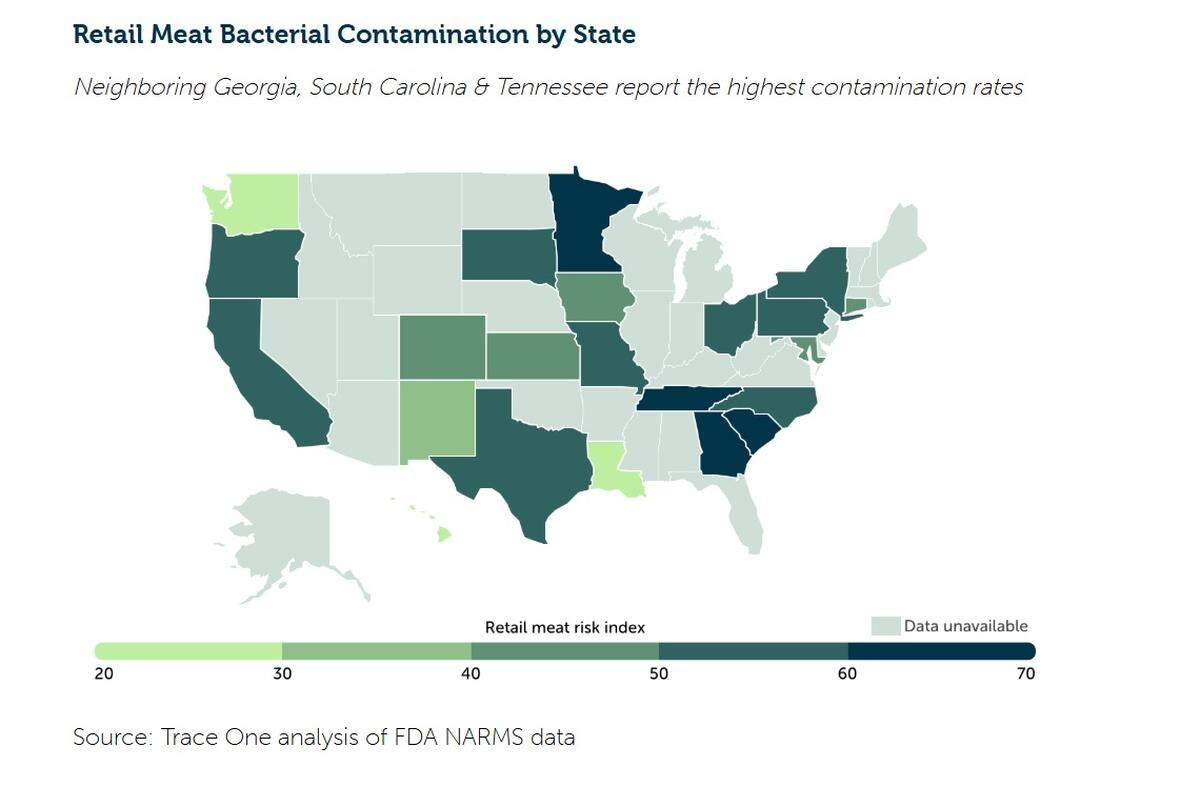
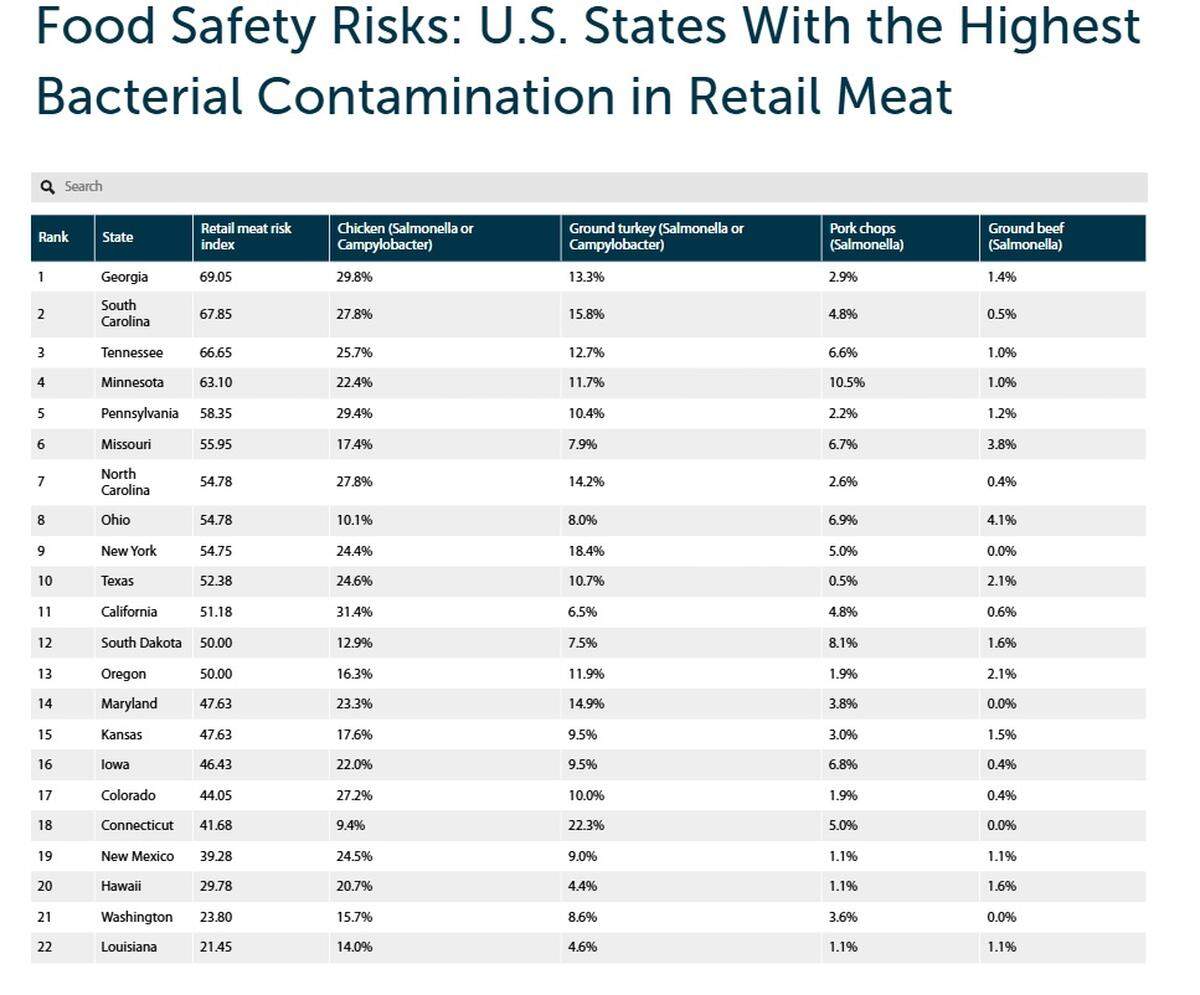
According to results from TraceOne, a company specializing in product lifecycle management, Ohio is in the bottom ten states for retail meat safety.
In fact, Ohio has the eighth highest risk for bacterial contamination in chicken, ground turkey and ground beef, with Tennessee and South Carolina following closely.
What is the data about contaminated meat in Ohio?
According to the U.S. Centers for Disease Control and Prevention (CDC), an estimated 48 million people in the United States get sick from foodborne illnesses each year, especially Salmonella, Campylobacter, E. coli and Enterococcus.
Although over 33% of all retail meat in the U.S. tested positive for at least one type of potentially harmful bacteria, Ohio has one of the highest contamination risk indexes.
A study conducted by the National Library of Medicine reveals that almost meat purchased by Ohio shoppers is contaminated.
Of 763 retail meat packages from central and western Ohio found:
13.7% of fresh meat packages were contaminated with methicillin-resistant Staphylococcus aureus (MRSA)
3.1% with Salmonella
22% with Enterobacteriaceae expressing AmpC resistance
4% with ESBL-producing Enterobacteriaceae
5% with carbapenemase-producing organisms (CPO)
How does chicken, beef and turkey become contaminated?
Since chicken and ground turkey are the most consumed meats in the country, says, United States Department of Agriculture (USDA) they are also the most likely to carry bacteria that can cause foodborne illness.
The main cause for contamination according to the CDC are:
Contamination during slaughter and processing
Cross-contamination in facilities
Improper post-processing methods in stores and transport
Environmental and chemical hazards
Poor hygiene by the consumer or food handler
Should Ohio consumers worry?
Oversight of food and consumable products is a shared responsibility between the US FDA and USDA., but recent budget cuts should make shoppers a little more vigilant.
Salmonella and Campylobacter are leading causes of foodborne illness, causing symptoms like diarrhea, fever, and abdominal cramps, and some bacteria can be resistant to antibiotics.
What can you do to prevent contamination in your kitchen?
The Ohio Department of Public Health recommends:
Use a food thermometer to cook all poultry (including chicken and turkey) to an internal temperature of 165°F, and ground meats (beef, pork, lamb, veal) to 160°F.
Avoid rinsing raw meat or poultry in the sink.
Use separate cutting boards and knives for raw meat and for ready-to-eat foods.
Immediately clean and sanitize all utensils, cutting boards and surfaces.
Store raw meat and poultry below cooked or ready-to-eat foods in the refrigerator.
Wash hands with soap and water before and after handling raw meat.
Refrigerate (at 40°F) or freeze (at 0°F) meat and poultry within two hours (or one hour if above 90°F).
Place raw poultry in plastic bags at the store.
Don’t leave cooked or raw meat out at room temperature for more than two hours (one hour if it’s hot outside).
Use a dishwasher or a sanitizing solution (like one tablespoon of bleach per quart of water) for cutting boards, utensils and surfaces.
As food safety organizations and public health officials do their best to regulate the state’s risk factors, stay aware of your food routines and take all the necessary precautions.
For more information on food safety and recalls, visit the Ohio DPHor the USDA Food Safety and Inspection Service.
What are your concerns as a Ohio shopper? What would you like to read? Email me at srose@ledger-enquirer.com or find me on social media.