How Mahoning County Land Bank helps Youngstown’s biodiversity with Mill Creek
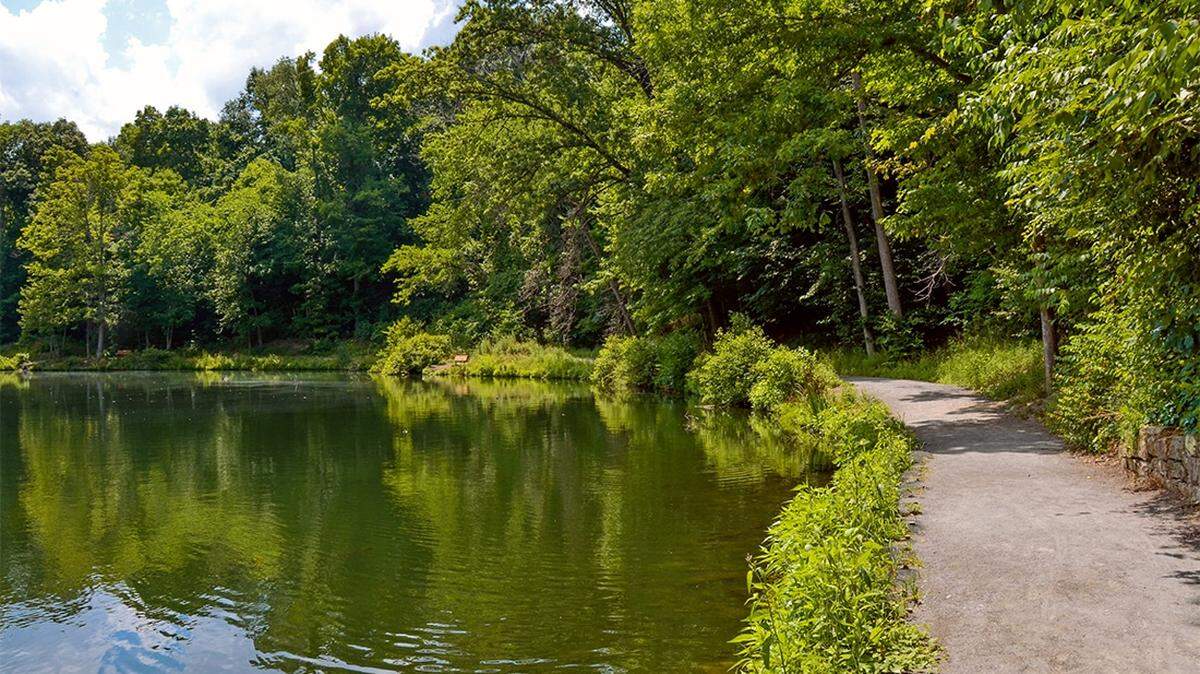
The Mahoning County Land Bank and Mill Creek MetroParks have teamed up to promote biodiversity and create resilient spaces in Youngstown’s parks with the help of native plant plugs.
Gary Davenport is the project director for the land bank, and Rachel Sobnosky is the natural resources manager for Mill Creek MetroParks.
Plant pugs are young seedlings already with their own strong roots, grown in individual cells of a tray and filled with potting soil.
According to Davenport, it all starts with the Mahoning County Land Bank acquiring these seedlings grown by Youngstown Cityscape at Briel’s.
“We transplant these seedlings to land bank sites like newly-rehabilitated and constructed homes, and other green spaces,” Davenport said. “Then we sell them to [Mill Creek] MetroParks, and they put them in sites like York Meadow [at Ford Nature Center], Lily Pond, Stitt Pavilion and Wick Recreation Area.”
Sobnosky said while they’re adding native plants to Stitt Pavilion area, there are already restrictions on mowing that promote habitat diversity.
“When coupled with treating invasive plant species, we can take an active role in restoring habitat for wildlife,” she said. “As a result, we’re creating areas that are more resilient and healthier for everyone to enjoy.”