Is it OK for an Ohio power company to shut off your heat in winter? What the law says
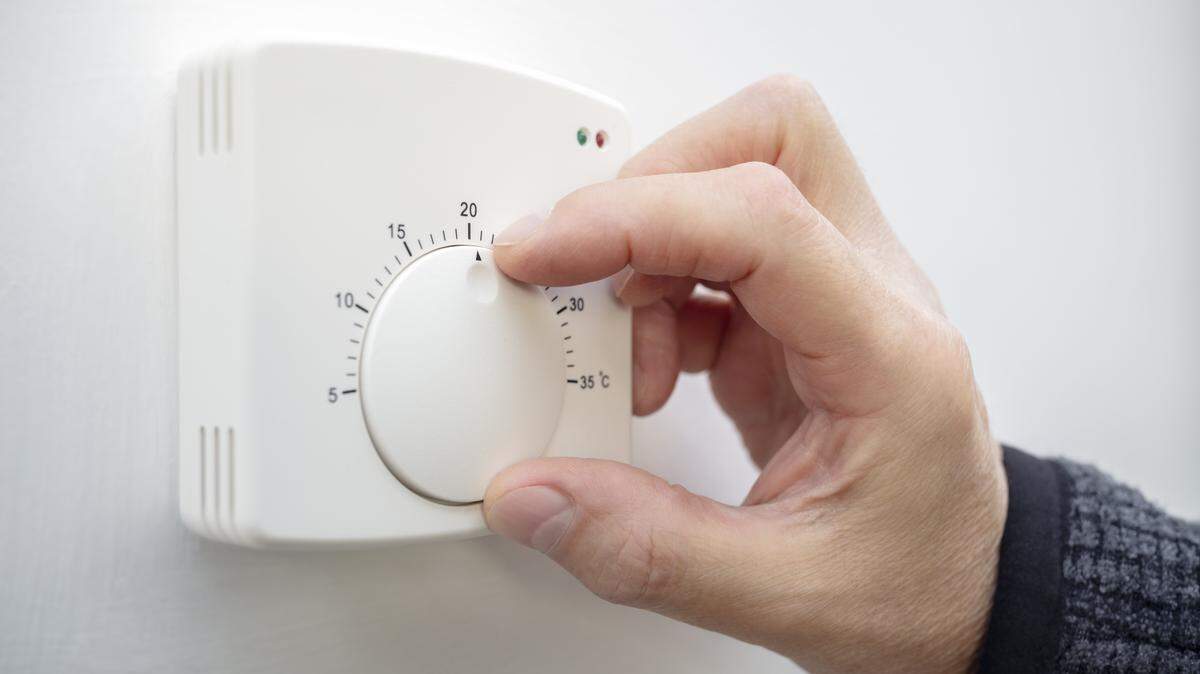
Temperatures have already dipped below freezing in Ohio and there’s more frigid weather coming. So, it’s time to get your blankets ready and turn up the heat in your home.
Of course, that’s easier said than done for most because electric bills in the winter can skyrocket just from trying to keep your home at a comfortable temperature inside.
Well, what happens if you’re late on a bill during a cold blast? Can a company shut you off even when it is super cold outside? Here’s what to know:
Can your electricity be shut off in winter months in Ohio?
According to Ohio Rule 4901:1-18-06, a power company can’t disconnect your service for a late bill between Nov. 1 and April 15, unless they have done all of the following:
- Made contact with the customer or other adult consumer at the premises 10 days prior to disconnection of service;
- Informed the customer or adult consumer that sources of federal, state and local government aid for payment of utility bills and for home weatherization; and
- Informed the customer of the right to enter into a payment plans.
So, if the power company has done all of the above and the 10-day notice has expired, your heat could legally be shut off.
If you are looking for ways to save energy and pocket some extra cash this season, here are some tips:
Money-saving tips for winters in Ohio
Here are some tips to save energy and money from the Office of the Ohio Consumers’ Counsel:
- Minimize fireplace use. Make sure the damper is closed unless a fire is burning. If the fireplace is never used, plug and seal the chimney flue.
- Window coverings like drapes help better regulate home temperatures. In the winter, they can be used to reduce chills around windows. In the summer, they can be used to block light and reduce heat in the middle of the day.
- Move heat generating items, like a TV, away from the thermostat. Its sensor may be able to detect the heat from them making it harder to maintain comfortable temperatures in the home.
- Consider a programmable thermostat. A properly set programmable thermostat can save homeowners as much as 10 percent per year according to the Department of Energy. Learn more about these thermostats at www.energy.gov/energysaver/programmable-thermostats.
Have more questions about this? Let me know in the comments or email me at cmadden@mcclatchy.com.