
Daylight savings is happening in Ohio soon and it can make you sick. How to prepare yourself
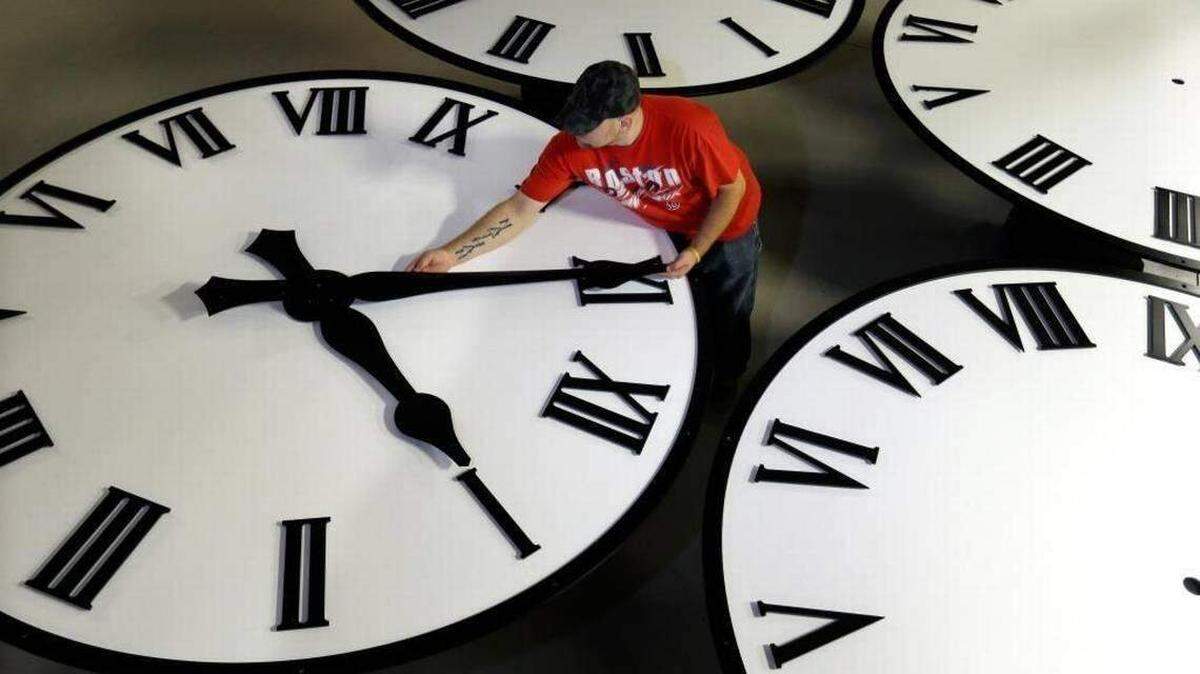
Longer days and more sunshine are sounding pretty good right now, especially as temperatures dip below freezing. However, getting that extra hour can be a hard transition for the body and it can have some real side effects.
Losing that hour of sleep on Sunday, March 8, will be worth it when we’re still enjoying daylight at 9 p.m., but the effects can feel fairly significant.
Science explains DST and the human body
While the concept itself is not rooted in science, the effects of DST on human biology and behavior are scientifically significant.
It has to do with a few factors:
- The Earth’s tilt and seasonal changes
- An individual’s physiological and psychological makeup
- Disruptions of the body’s circadian rhythms
Effects on Sleep
Circadian rhythm and sleep
A circadian rhythm is just your body’s internal clock. It controls your sleep-wake cycle over a 24-hour period. It’s influenced by light and dark, as well as other factors like food, stress and exercise. It is primarily controlled by light exposure, so DST causes a misalignment between our internal clock and the external environment.
When we move the clocks forward during the spring transition, we lose an average of 40 minutes of sleep per day, and this accumulates over several days.
As many of us know all too well, lack of sleep can affect every aspect of our lives.
Physical ailments:
- A weakened immune system which can lead to higher susceptibility to infections
- An increased risk of chronic conditions such as diabetes, heart disease, and obesity
- Higher blood pressure
- Hormonal imbalances affecting hunger and appetite control
Cognitive impairments:
- Reduced alertness and slower reaction times
- Impaired memory and learning abilities
- Difficulty concentrating and paying attention
- Decreased cognitive function and logical reasoning skills
Most susceptible groups
Researchers emphasize that the springtime change is particularly disruptive, with potential long-term health consequences if sleep patterns remain chronically misaligned.
While everyone feels the effects in some way, several groups of people have it the worst.
- Adolescents and high school students
- Early risers and late sleepers
- Individuals with pre-existing conditions like depression or anxiety
- Medical residents
Lessening in the effects
Adjusting may take at little longer than just the few days following the time change, so start preparing now. The American Academy of Sleep Medicine offers some advice.
The week before:
- Go to bed and wake up 15–20 minutes earlier each day for 3–5 days before the time change
- Shift “time cues” like meals, workouts, and caffeine 15–20 minutes earlier along with your sleep
- Aim for at least seven hours of sleep a night
- Reduce alcohol and caffeine
- Turn clocks forward on Saturday morning and live on the “new” time all weekend
The week after:
- Increase your morning light exposure
- Eliminate screens and blue light before bed
- Avoid very early, high‑stakes tasks those first mornings
- Don’t take long, late naps; if you need one, keep it under 20–30 minutes and before mid‑afternoon
A few facts about DST
Here are a few tidbits you can trot out at trivia to impress with your knowledge of DST.
- Americans experience an average of 200 minutes of lost sleep in the days following the daylight savings shifts. This could mean you’re out almost 7 hours of sleep a year
- The U.S. experiences a 24% increase in heart attacks on the Monday following the DST time change
- 27% of Americans report being late or early for appointments following the shift
- 70 countries observe DST and it affects over one billion people
- Contrary to popular belief, it was not implemented to help farmers. They actually lobbied against it
The effects from Spring are usually harder to cope with than the fall, but it will all be worth it when the longer, warmer days return. Do you have any tricks for getting over DST? Email me at srose@ledger-enquirer.com or find me on Instagram.
This story was originally published February 24, 2026 at 6:00 AM with the headline "Daylight savings is happening in Ohio soon and it can make you sick. How to prepare yourself."