
Health officials find source of diarrhea-inducing parasite in Ohio. Here’s what to know
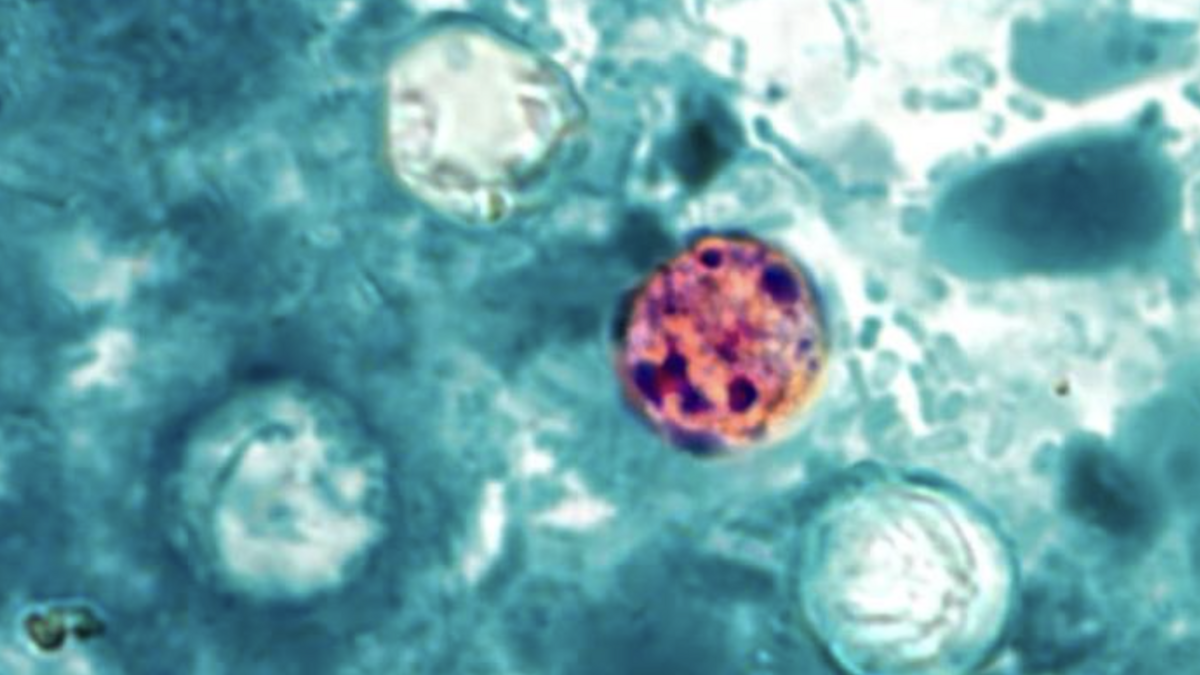
Health officials now have a clear answer about the origin of the cyclosporiasis cases across Ohio and have found it’s being driven by contaminated lettuce and salad greens.
The CDC and state health departments, including Michigan’s Department of Health and Human Services (MDHHS), have moved from “possible source” to a more definitive link, pointing directly to leafy greens as the primary vehicle for the outbreak.
However, officials say other foods cannot be ruled out, and there’s been no specific type, grower or supplier identified as the source for contaminated lettuce.
What Is Cyclosporiasis?
Cyclosporiasis is an intestinal infection caused by the protozoan parasite Cyclospora. It is transmitted when food or water contaminated with infected fecal material is consumed.
Symptoms typically begin about one week after exposure and can persist for weeks without treatment.
Symptoms include:
- Watery diarrhea (often severe)
- Abdominal cramping
- Bloating
- Nausea
- Fatigue
- Weight loss
- Vomiting
- Headache
- Low-grade fever
- Body aches
The CDC has reported more than 140 confirmed cases and 20 hospitalizations across 17 states, including Ohio, who is experiencing an extremely high number of cases.
There have been between 1 and 10 reported cases, a smaller number than in states such as New York, Texas, and Illinois, but still significant enough to warrant attention.
Lettuce and salad identified as the culprit
Michigan health officials, which are at the center of the largest outbreak cluster, have identified the source of the cyclosporiasis outbreak in their state.
New epidemiological data and traceback investigations have led to leafy greens as the most consistent exposure among affected individuals.
Public health messaging has shifted from “consider other foods” to “avoid or properly handle raw leafy greens,” indicating that the evidence now points decisively to lettuce and related products.
What consumers should do
CDC and MDHHS recommendations include:
- Avoid pre-washed, bagged lettuce and salad mixes.
- Buy whole heads rather than pre-cut or bagged products.
- Remove the outer two to three leaves of the head and wash the remaining leaves under clean running water.
- Cook leafy greens when possible; heating food to 158°F (70°C) or higher.
- Wash hands thoroughly before and after handling fresh produce.
- Clean and sanitize cutting boards, knives, and preparation surfaces used for leafy greens.
- Refrigerate cut, peeled, or cooked vegetables promptly.
At this time, the Ohio Department of Health is working with neighboring state partners and federal partners to investigate this outbreak. This includes conducting interviews and traceback investigations to help identify any potential common exposures.
If you have any questions or would like to read more about something, email me at srose@ledger-enquirer.com or find me on social media.