Struthers tore down a 110-year-old tavern but didn’t check it for asbestos. The EPA is now involved
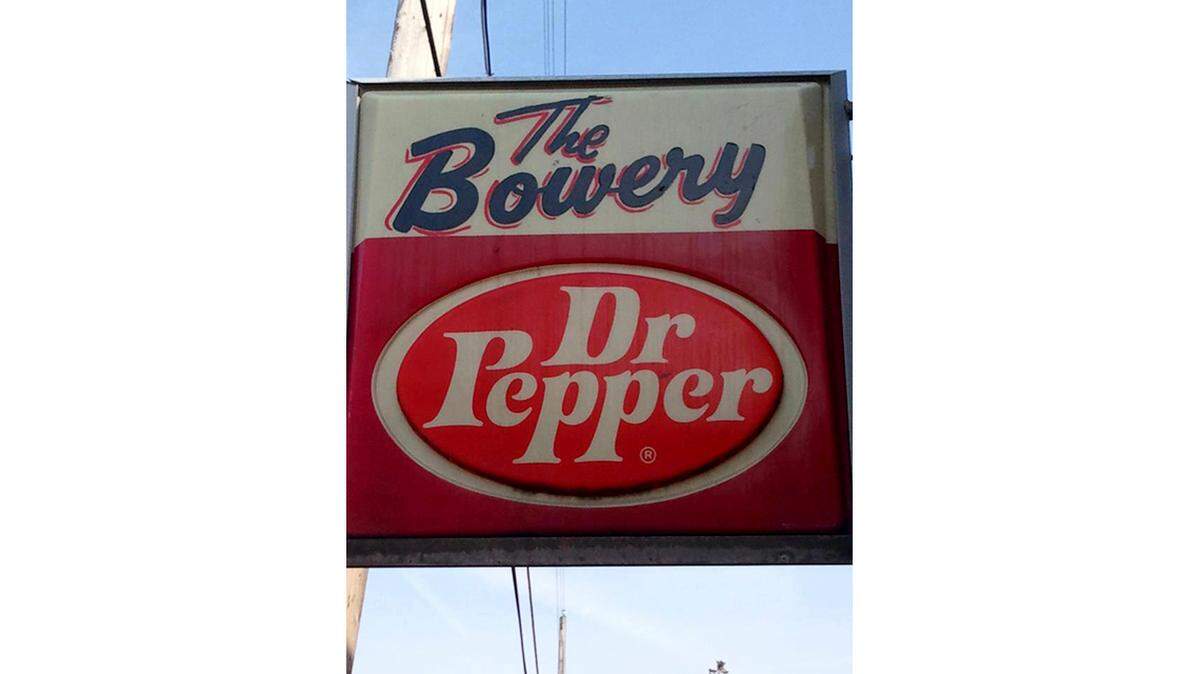
Struthers officials in November demolished a 110-year-old blighted building, but they didn’t first check the building for asbestos, a cancer-causing material that’s now heavily regulated. The city and its contractor are now facing several Ohio EPA violations for the oversight.
The city of Struthers demolished The Bowery, a 1910-built tavern at 2729 E. Midlothian Blvd., on Nov. 10.
The building had been vacant for “quite some time” without upkeep and became “deplorable,” Bob Benson, the city’s safety service director, told Mahoning Matters. City officials ordered the building condemned, and set it for emergency demolition.
City Mayor Catherine Cercone Miller in late October told WKBN the “structural integrity of the bar [was] beyond repair.”
“The back steps going into the place [were] falling down, and it was in really bad shape,” Benson told Mahoning Matters.
But before the demolition, officials were supposed to have the building inspected by a certified asbestos specialist to determine whether asbestos was present. If so, its demolition debris would have to be removed and disposed of much more carefully.
Asbestos was commonly used as a fire-proofing or insulating material in structures built between the 1930s and 1970s. Exposure is known to cause lung cancer, mesothelioma and other diseases, according to the U.S. Centers for Disease Control and Prevention. The first U.S. cancer case linked to asbestos was diagnosed in 1935, according to the Mesothelioma Research Foundation of America.
On the morning of Nov. 10, the day the building was supposed to come down, the Ohio Environmental Protection Agency received a complaint that a survey was never completed.
Benson couldn’t speculate as to whether The Bowery debris actually contained asbestos. County auditor records show the building was built in 1910, then remodeled in 1980, when “[asbestos] could have been taken care of completely,” Benson said. But there’s no way to know for sure.
Federal asbestos regulations became much more stringent in the 1990s, an Ohio EPA spokesperson told Mahoning Matters. That spokesperson said the agency doesn’t have any historical records on the presence of asbestos at The Bowery.
Without an asbestos survey prior to a building’s demolition, the EPA must treat all its debris as if it contains asbestos, essentially erring on the side of caution. But by the time an Ohio EPA agent arrived at the East Midlothian site, The Bowery had already been torn down and much of its debris had already been hauled away.
The city and the hauler, R.O.C. Contracting LLC of Struthers, first incorporated in April 2020, are now facing several EPA violations for how the demolition was handled.
Debris deemed to contain asbestos needs to be appropriately bagged and labeled, and transported in a truck also labeled to show it’s carrying asbestos. But neither the waste that came from The Bowery nor the hauling truck were labeled, according to the EPA’s notice.
Asbestos waste also needs to go to a landfill that’s licensed to take it. Four loads of debris from The Bowery were taken to and buried at the Lordstown Construction Recovery along Palmyra Road Southwest in Warren, which is not licensed for asbestos, according to the EPA’s notice. Had the debris been bagged and labeled, landfill operators may have rejected it.
Ohio Administrative Code spells out the requirements for handling or accepting asbestos waste — but The Bowery was never inspected.
A corporate spokesperson for landfill operator Lafarge did not respond last week to requests for comment on its waste acceptance procedures.
Other violations were for not conducting an asbestos survey or having an asbestos specialist on-site during the demolition, and for not notifying the EPA of the demolition beforehand. For emergency demolitions like The Bowery’s, operators can also notify the EPA one business day afterward.
After the EPA halted the debris removal on Nov. 10, the remaining debris was removed according to code, an EPA spokesperson told Mahoning Matters.
Asbestos is most hazardous when spreading through the air in dust clouds.
“Since the asbestos containing material has been buried and the exact location within the landfill is now unknown, no further action is required,” reads the EPA’s notice, which comes with an admonishment to follow asbestos rules in future demolitions.
“We haven’t torn down a lot of buildings,” Benson told Mahoning Matters. “Because it was a commercial building, it should have been tested.”
Miller said though contractors are responsible for asbestos surveys, it’s still up to the city to make sure everything’s done properly.
“We take violations from the EPA very seriously and have since mitigated the issues and have resolved the matter with them,” she wrote in an email to Mahoning Matters. “We have been in constant contact with them regarding this specific demolition and have complied with the stipulations. We will continue to follow the EPA rules and work with them in a very strict [manner] and will ensure compliance.”
Benson said the EPA is expected to make a final ruling on the matter soon, but the city does not expect to be penalized.
This story was originally published January 31, 2022 at 5:00 AM.