
Department of Defense sued amid 30-year fight against East Liverpool hazardous waste incinerator
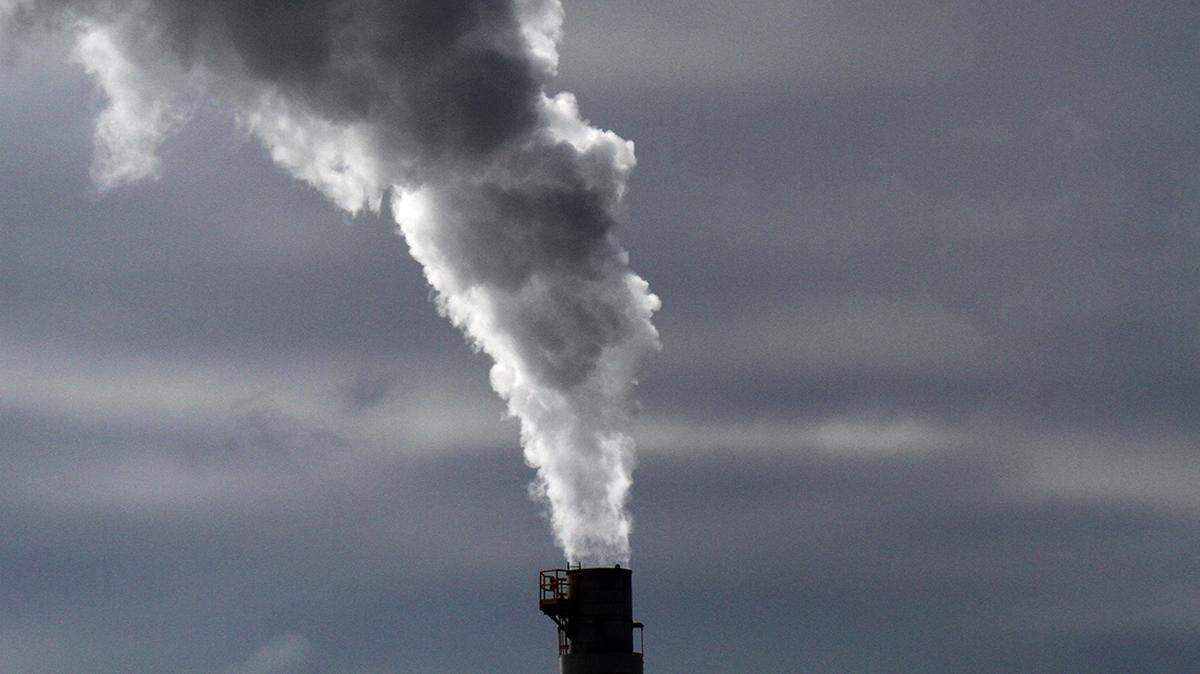
The city’s East End neighborhood is home to a hazardous waste incinerator with a checkered past.
For decades, the facility on the banks of the Ohio River — operated by Heritage Thermal Services, formerly known as WTI — has faced fines for violating federal air quality laws and accusations that its toxic emissions have damaged the health of the surrounding community. Now, the plant is working to burn hazardous waste sent by the U.S. military — a process that Alonzo Spencer, a local environmental activist, is doing all he can to stop.
Spencer’s organization, Save Our County, as well as several other community groups and the Sierra Club, a national environmental nonprofit, sued the federal government two years ago in an attempt to prevent hundreds of thousands of gallons of toxic firefighting foam from being incinerated in facilities like the one in East Liverpool. That case may soon come before a judge in Youngstown as residents like Spencer try to find out exactly how much foam has been sent to their community and what the consequences might be.
“Our community is going through these health problems,” Spencer said. “And to have something like this thrown upon us [...] just made it even worse.”
The suit, which was first filed in federal court in California in 2020 and moved to Ohio’s northern district late last year, accuses the U.S. Department of Defense of failing to conduct an environmental review before hiring the East Liverpool-based hazardous waste incinerator, Heritage Thermal Services, to dispose of the foam in 2019. As a result, the suit claims, burning the foam will harm communities like East Liverpool that “are already overburdened by pollution, both from those incinerators and from other industrial facilities.”
The firefighting foam, used by the U.S. military as well as airports and industrial facilities around the country, contains per- and polyfluoroalkyl substances, known as PFAS. These chemicals, which allow the firefighting foam to put out liquid-based fires like burning jet fuel, are also widely used in consumer products. They’re often called “forever chemicals” because they don’t break down in the environment, and they have been known to contaminate water sources as well as build up in fish and wildlife, growing even more concentrated by the time they reach humans, according to the nonprofit Environmental Working Group.
Exposure to PFAS “can be linked to higher rates of certain cancers, higher cholesterol levels, suppressed immune systems, fertility issues in women, and weakened antibody responses to vaccinations among children,” according to the U.S. Centers for Disease Control and Prevention. The federal Environmental Protection Agency has also found that PFAS can result in abnormal fetal development if pregnant mothers are exposed, as well as liver damage and thyroid disruption.
Recognizing these dangers, the defense department decided in recent years that PFAS-containing substances like firefighting foam were too risky to use, and ordered military bases around the country to destroy their stockpiles, according to the Environmental Working Group. In 2019, the department entered into a contract with Heritage’s Indiana-based parent company, Heritage Environmental Services, to incinerate 888,000 gallons of PFAS-containing firefighting foam at various Heritage-owned incinerators, including the one in East Liverpool, according to the 2020 lawsuit.
But the same chemical bonds that make PFAS so useful also mean they’re almost impossible to destroy. According to the EPA, little research has been done on how to incinerate PFAS safely, and if temperatures aren’t high enough to break them down, the chemicals are released into the air. The process of incineration can also create other hazardous byproducts that are toxic to humans.
According to the lawsuit, though, the defense department didn’t make sure that the facilities it was sending its firefighting foam to — including Heritage Thermal Services — were actually capable of disposing of it safely. That’s despite provisions in the National Defense Authorization Act passed by Congress in 2019 requiring the Secretary of Defense to ensure that “all incineration is conducted at a temperature range adequate to break down PFAS chemicals while also ensuring the maximum degree of reduction in emission of PFAS, including elimination of such emissions where achievable,” according to the lawsuit.
Moreover, the suit accuses the defense department of violating the National Environmental Policy Act, which requires federal agencies to review and prepare environmental impact statements for “major [f]ederal actions significantly affecting the quality of the human environment.” According to the suit, no such review was conducted before PFAS-containing firefighting foam was sent to incinerators like the one in East Liverpool, despite the potential risks to the environment and human health.
“They’re currently accepting highly toxic material and exposing the public to highly toxic material without any assurance that their treatment systems are effective for that material,” said Jonathan Kalmuss-Katz, an attorney with Earthjustice, the nonprofit environmental law group representing the East Liverpool organizations and the Sierra Club in their lawsuit against the defense department. “We have not adequately regulated the disposal of PFAS chemicals, and a lot of people are being placed in harm’s way as a result.”
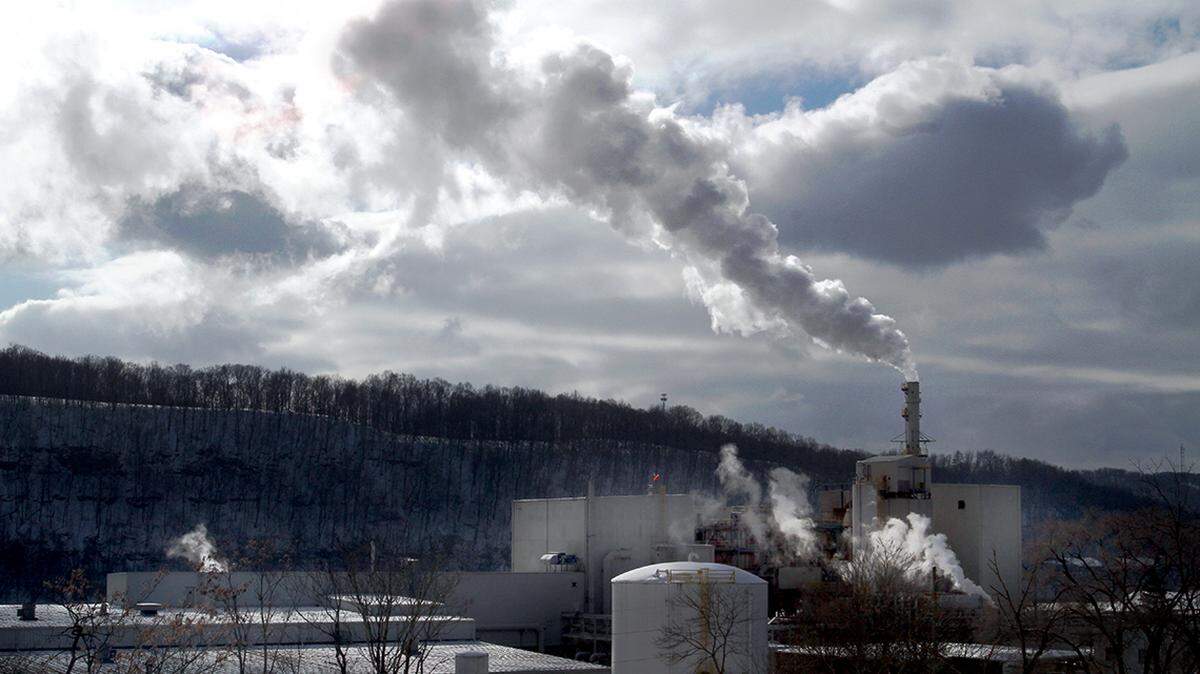
PFAS pollution is not regulated under either the Clean Air Act or the Clean Water Act, and the EPA only began requiring companies to report their estimated emissions of certain PFAS chemicals in 2020. That makes it hard to draw conclusions about Heritage, which reported releasing just 0.08 pounds of one type of PFAS last year, according to EPA documents.
Through their attorneys, the defense department and Heritage Thermal Services declined to comment, citing pending litigation. They also would not disclose how much firefighting foam has been sent to Heritage for incineration, although Kalmuss-Katz said the facility continues to burn PFAS even as the lawsuit moves through the courts.
“[The defense department] found that because of these harms, the PFAS-containing foam […] should no longer be used,” Kalmuss-Katz said. “But at the same time, they are exposing the community surrounding the incinerators to those exact same chemicals and those exact same harms.”
The residents’ concerns — and subsequent lawsuit — come after years of health and safety violations at the plant. A 2011 explosion killed one worker and hospitalized another, and while Heritage agreed to pay nearly $63,000 in fines as part of a settlement in 2016, the penalty was later negotiated down by more than half, according to OSHA records.
A review by the EPA found a series of violations at the plant starting in 2010 — including a July 2013 incident, when nearly 800 pounds of ash contaminated with toxins like arsenic and manganese were released into the air. The incinerator failed to maintain minimum temperatures required under the Clean Air Act “on numerous days,” according to the EPA. The company entered into a consent decree with the agency in 2018 and agreed to improve safety at the plant as well as pay $288,000 in fines. However, problems at the plant have persisted since then; according to the EPA, the facility has been out of compliance with the Clean Air Act for eight out of the past 12 quarters (a three-year period).
The community was against the plant even before it was constructed, Spencer said, and these violations have only increased concerns. The smokestacks are less than 400 feet from the nearest home, according to the lawsuit, and the community has already felt the effects of toxic pollution. In a letter sent to Spencer in 2010 and referenced in the lawsuit, the Ohio Department of Health said that East Liverpool has a “strikingly high incidence rate of overall cancer, but also for bladder, colon & rectum, esophagus, lung & bronchus, multiple myeloma, and prostate cancer when compared to Ohio and the U.S.”
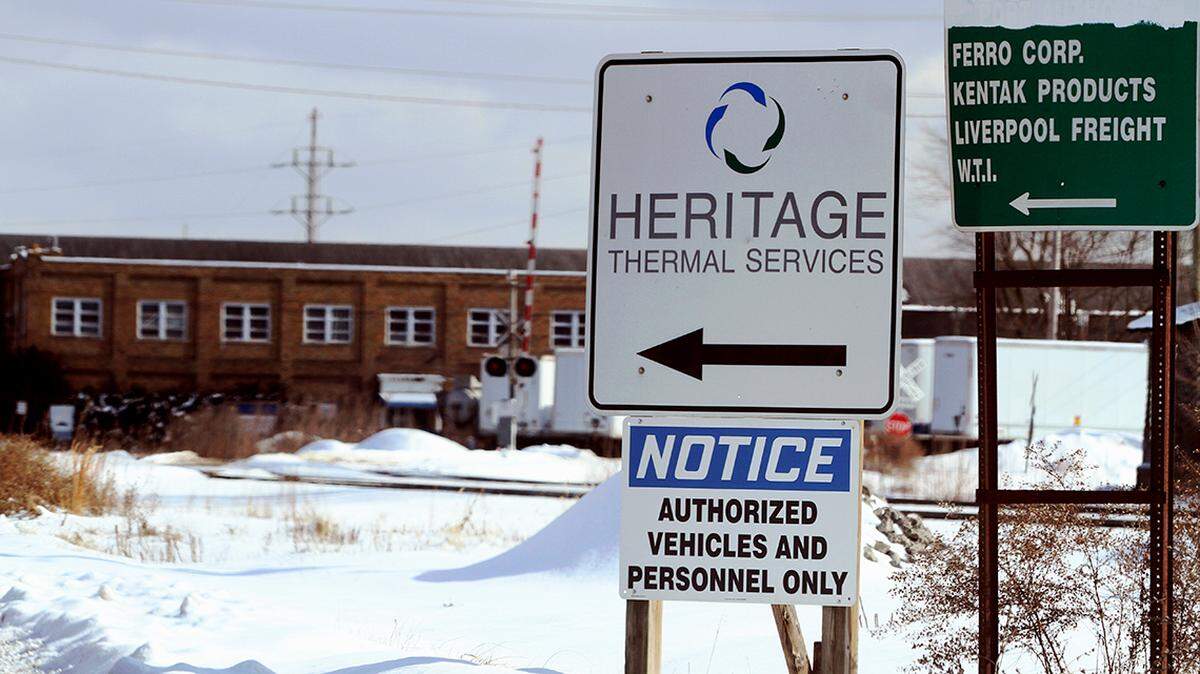
The area is more racially diverse than most of East Liverpool and also lower-income. In 2010, 53% of people within a one-mile radius of the Heritage site lived below the poverty line. The population of East Liverpool has fallen to less than 10,000 in 2020 from a peak of nearly 14,000 in 1990, and residents haven’t seen any benefits from the plant despite the harms to their health, said Amanda Kiger, the executive director of River Valley Organizing, an East Liverpool-based nonprofit that is against the hazardous waste incinerator.
“It looks like, in many ways, a crumbling town,” Kiger said. “I love my community, but [...] it’s like with any type of extractive energy. They may not be mining things out of us, but they are definitely extracting the health of this community.”
Kalmuss-Katz said it’s not clear when the case will be decided, although he expects there will be oral arguments at some point after the government files a written brief this month. He said he hopes that the court will issue a ruling “as soon as possible” and that through the process, more information about exactly how much PFAS has been sent to and burned at Heritage will come to light.
“I’d like for the government to enforce the laws,” Spencer said. “That’s all they had to do — enforce the laws, because a facility of this nature shouldn’t be where it’s located.”
This story was originally published February 7, 2022 at 5:00 AM.