
Everything is costing more these days. Why are prices and interest rates rising?
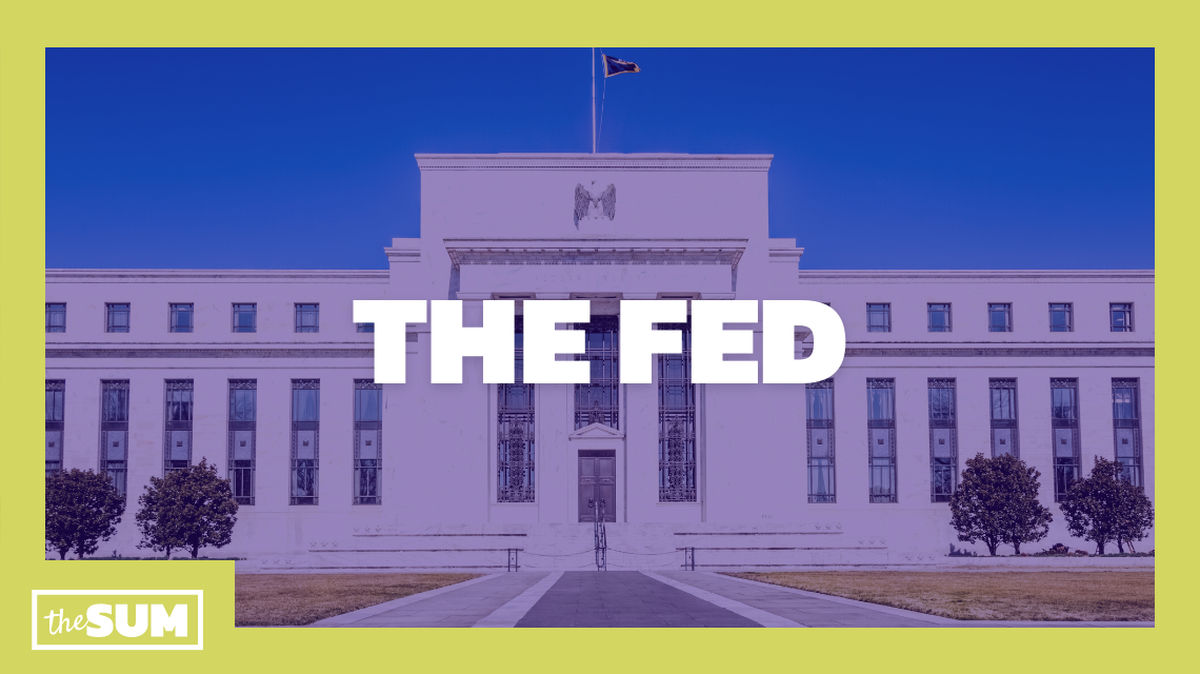
Groceries, homes, cars, gas: Where are high costs hitting you the hardest? And why do interest rates keep creeping up? Here is how the Federal Reserve works.
TO SUM IT UP
- The Fed has been raising interest rates in an effort to decrease inflation, which has hit a 40-year high.
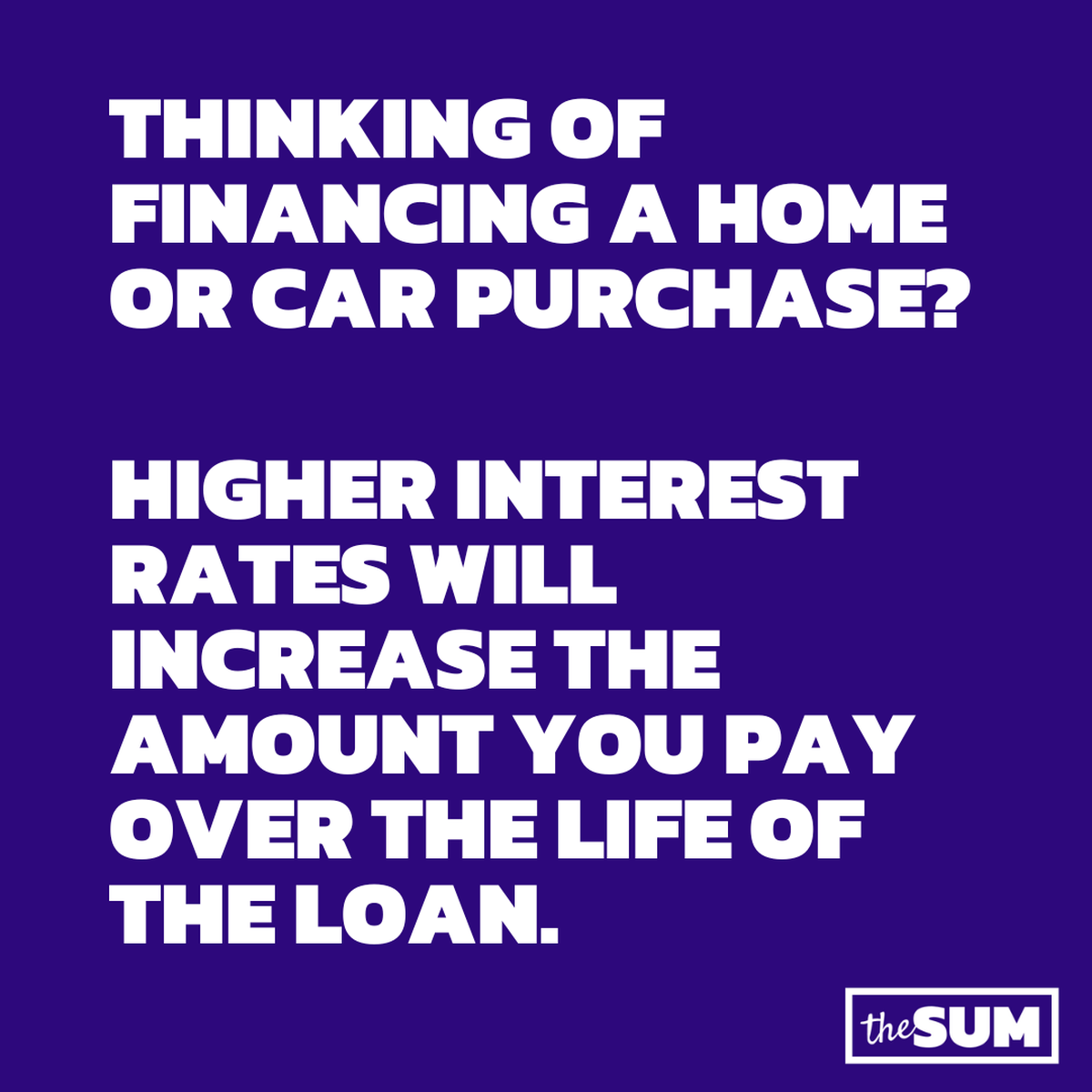
- Higher rates mean consumers are paying more in interest on loans for major purchases like homes and cars.
- More rate hikes are expected yet this year.
- Historically, economic recessions often follow the Fed’s interest rate increases.
THE BACKGROUND
- The Federal Reserve is the central bank of the United States that manages the economy.
- The Fed states that it “conducts the nation’s monetary policy to promote maximum employment, stable prices, and moderate long-term interest rates in the U.S. economy.”
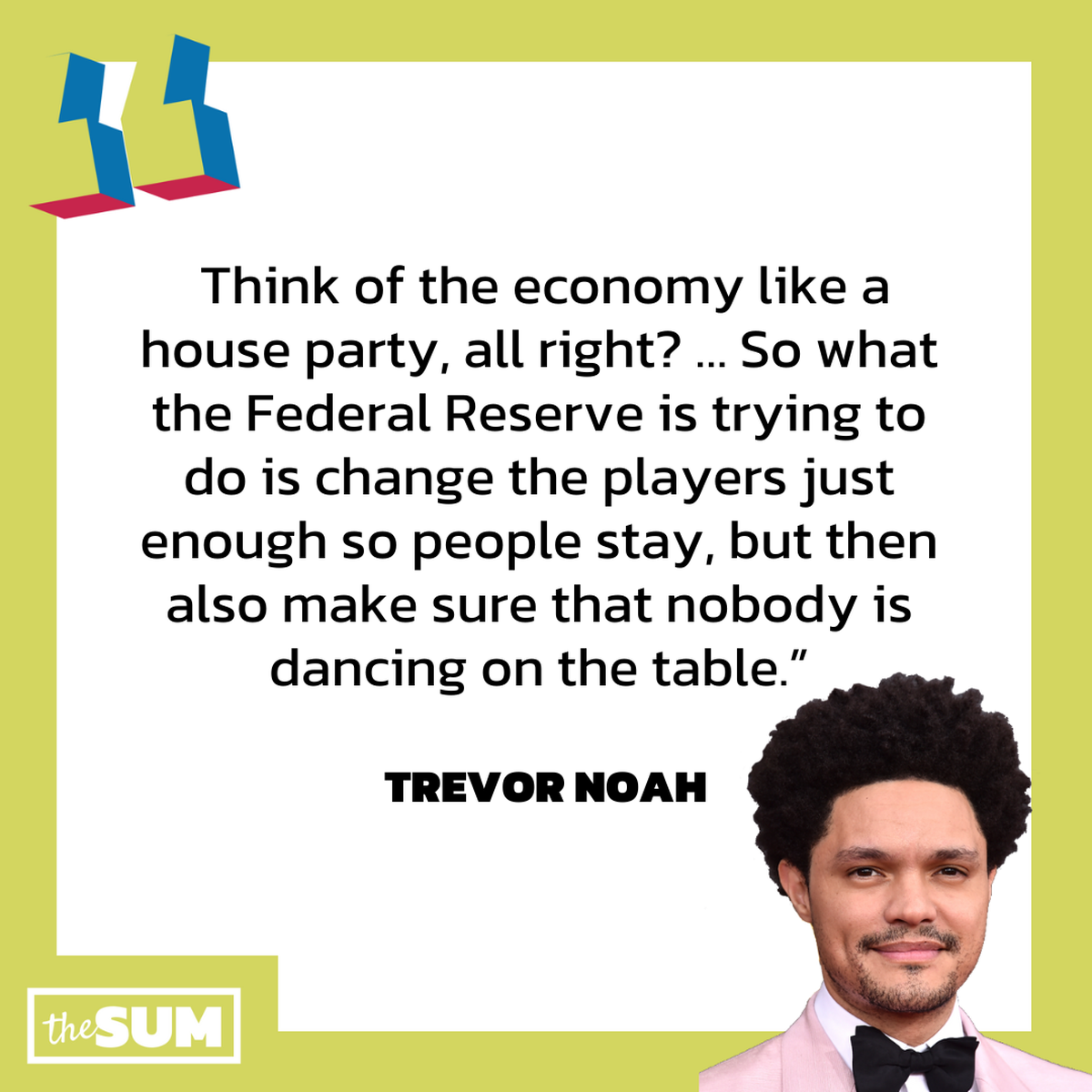
- Forbes describes the Fed’s mission as such: “Keep the U.S. economy humming – not too hot, not too cold, but just right.”
WHAT’S HAPPENING
- The Fed has already raised interest rates in 2022 – with more increases planned. The idea: Increase the cost of credit, discourage spending and decrease inflation.
- Inflation has been fueled by supply chain disruptions and surging prices for gas, food and housing.
WHY IT MATTERS
- With the Fed in inflation-fighting mode, some are concerned about a possible recession.
- Politico reports that “nine times since 1961, the central bank has embarked on a series of interest rate increases to rein in inflation. Eight times a recession followed.”
- Yahoo Finance says that “it takes around three years from the first Fed hike to enter a recession, according to 70 years of data on rate increasing cycles crunched by Deutsche Bank.”
SOURCES
- The Federal Reserve: About the Fed
- Forbes: What Happens When The Fed Raises Interest Rates?
- Fortune: 3 key differences between the volatility of 2022 and the Great Recession of 2008
- Yahoo Finance: What 70 years of data reveals about the Federal Reserve causing recessions
- Politico: 8/9. That’s the Fed’s record on triggering a recession while trying to fix inflation.
READ MORE ABOUT THIS IN THE SUM
The Sum breaks down complex economic issues and how they impact your life in just a few minutes a day. Follow thesum.news on Instagram for the full story.
This story was originally published June 27, 2022 at 5:00 AM.

The Sum
mahoningmatters