
Just how hot will the US get this week? A look at the forecast
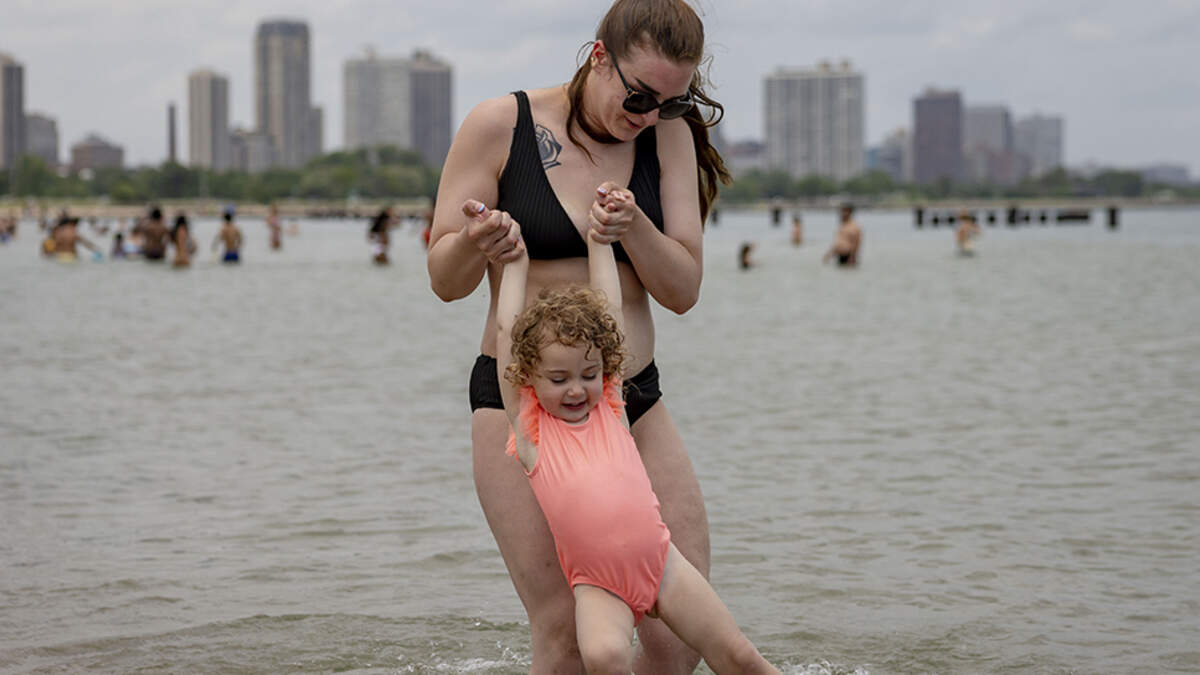
Millions of people are facing dangerous and potentially record-breaking heat as a heat wave grips much of the central and eastern United States through the Fourth of July weekend.
Forecasters said temperatures were expected to soar into the 90s and low 100s across large parts of the country, with many places expected to challenge or break daily records, as the heat intensifies and spreads east.
From Chicago to New York, city and county officials began opening cooling centers and directing people to take the forecast seriously. Mayor Zohran Mamdani of New York City, where the highest temperatures were expected in the second half of the week, set in motion what he called an “unprecedented, historic heat emergency plan.”
Michael Muccilli, a meteorologist with the National Weather Service, called the forecast “the hottest temperatures so far this season” on Monday afternoon. He warned that the danger would be “further heightened” because of the number of people expected to spend time outdoors in the lead-up to the long holiday weekend.
High humidity will make conditions feel even more oppressive, forecasters warned. Heat index values -- a measure of what the temperature feels like to the human body, when humidity is considered with the air temperature -- could reach as high as 110 to 115 degrees.
There will be little relief overnight, as temperatures are expected to remain in the 70s across many of the areas facing high temperatures. In some major cities, including New York, nighttime lows could stay in the 80s.
Here’s what to expect and when:
Monday: The heat began building over parts of the Plains on Sunday, and by Monday, nearly 40 million people were under extreme heat warnings. Areas of Minnesota, Wisconsin, Iowa, Missouri, Kansas, Illinois, Indiana, Michigan, Kentucky and Tennessee are expected to endure several days of temperatures in the 90s through at least Thursday, forecasters said.
The temperature at Midway International Airport in Chicago was expected to climb to 92 degrees on Monday, said Casey Sullivan, a meteorologist with the weather service, and could be even higher in the days following.
Chicago’s Office of Emergency Management said it had opened cooling centers in the city and had begun sending outreach teams to help people without homes find respite from the heat this week.
People in affected areas should take action to protect their health, Sullivan said. “If you can stay in air conditioning, that’s probably the No. 1 thing to do. If you have to be outside, limit your time outside. If you have to work outside, take frequent breaks, drink plenty of water, try to take breaks in an air-conditioned environment.”
Tuesday: By Tuesday, the heat will become more intense around the Great Lakes, especially, and will begin to spread farther east across Ohio and into western Pennsylvania and New York. The heat wave will also dip farther south, into Tennessee and Missouri.
Overnight temperatures in the Chicago area would be in the high 70s through much of the week, Sullivan said.
These conditions do not “really allow for any cooling,” Sullivan said.
Wednesday: Once again, places that were already hot will become hotter, and higher temperatures will spread farther east. By Wednesday, most of the East Coast will be at some risk of dangerous temperatures, according to the Weather Service, but the most extreme temperatures will remain in the states around the Great Lakes.
Most of Wisconsin, Ohio, Michigan and Illinois will be under the service’s most extreme and rare warning level, reserved for long-lasting extreme heat that offers little to no relief at night.
Washington, D.C., has a forecast of around or above 100 degrees for four consecutive days between Wednesday and Saturday -- with the potential to tie a record for the city, Muccilli said.
In New York, the heat index could climb above 100 degrees on Wednesday, Thursday and Friday. Mamdani said the city would activate hundreds of cooling centers beginning Wednesday.
Thursday: The worst of the heat is forecast to reach much of the East Coast by Thursday. Areas around the Great Lakes are not likely to see a respite.
Some 250 million people -- from the Dakotas to Boston and south to Miami -- live in areas that are expected to experience some level of dangerous heat on Thursday, according to the Weather Service.
Cities including Washington, New York, Philadelphia and Boston could see temperatures climb into the low 100s, with several daily records under threat. Forecasters said Philadelphia could also tie its June record high of 104 degrees.
Some locations in this heat wave may experience up to four consecutive days, Muccilli said.
Periods of prolonged, persistent heat are among the deadliest weather hazards in the United States because the effects build over time. The consecutive hot days and warm nights will prevent the body from fully recovering.
Friday: Friday looks a lot like Thursday, which means little relief for some places that will have had four or more days of extreme temperatures, and may be the hottest day of the week in some areas like New York City.
There is some chance of afternoon and evening thunderstorms that could provide some temporary relief on Friday and Saturday across the mid-Atlantic states and the Northeast. However, most locations are likely to stay hot and dry.
Fourth of July weekend: The hot and humid conditions are expected to persist into the holiday weekend, before a sprawling high-pressure system driving the heat, often referred to as a heat dome, gradually shifts westward back toward the Plains, allowing for cooler conditions in the East.
The heat is likely to peak on the East Coast by Saturday but is expected to stick around into early next week before subsiding, Muccilli said.
This article originally appeared in The New York Times.
Copyright 2026 The New York Times Company
This story was originally published June 29, 2026 at 8:51 PM.