5 tips for protecting yourself from lightning
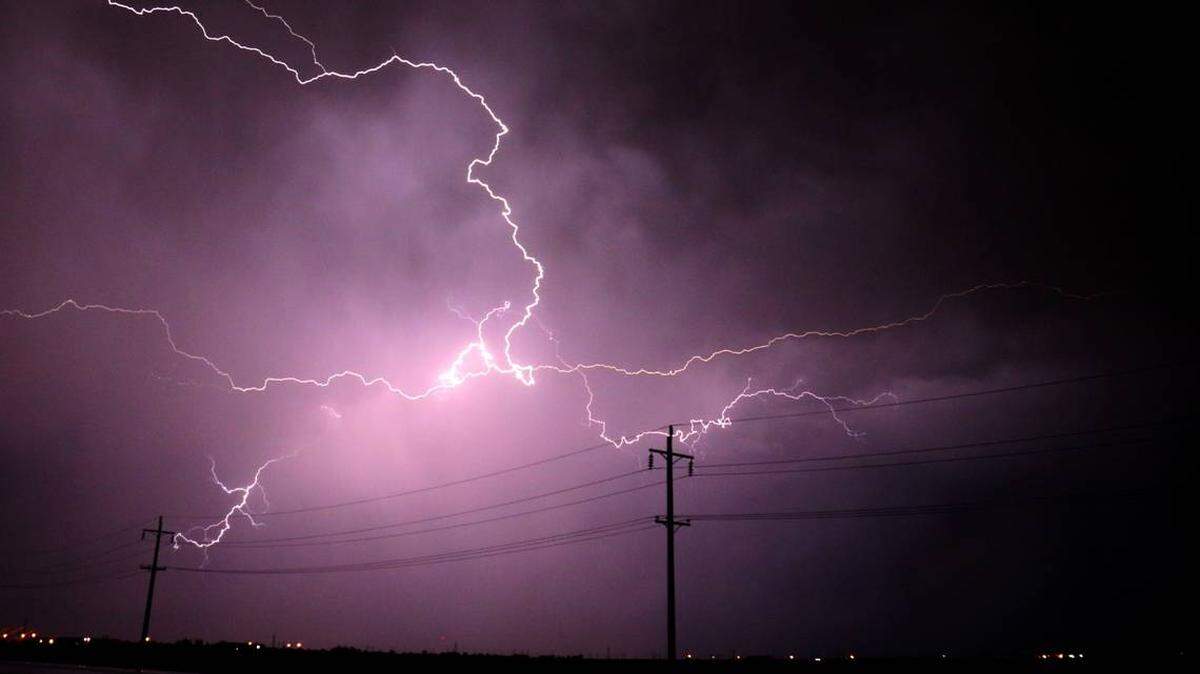
It’s lightning safety awareness week in Ohio, a campaign put together by Ohio Emergency Management Agency, National Weather Service and the Ohio Committee for Severe Weather Awareness.
Although most lightning victims survive, people struck by lightning have a variety of long-term, debilitating symptoms.
With risks of severe weather sticking around for the summer, here’s a few reminders about what to do before, during and after a thunderstorm.
Be weather aware
Know the area’s risk for lightning, especially when planning outdoor events and vacations.
Sign up for the local emergency notification system or download a weather app. The Emergency Alert System and National Oceanic and Atmospheric Administration (NOAA) Weather Radio also provide emergency alerts.
When thunder roars, go indoors
When you hear thunder, stop all outdoor activities and seek a safe, enclosed shelter immediately.
No place outside is safe when thunderstorms are in the area, according to the National Weather Service.
This also applies to all water activities; if you’re boating, fishing or swimming, get to land and find a sturdy, grounded shelter or vehicle immediately.
Don’t head back outside for at least 30 minutes after hearing the last clap of thunder.
Know the severe weather terminology
When it’s a severe thunderstorm watch, that means there’s a potential for dangerous weather to accumulate.
When it’s a severe storm warning, that means “a dangerous weather event is imminent and immediate action must be taken to protect life and property,” according to the Ohio Emergency Management Agency.
Advisories are less imminent, letting communities know about special weather conditions that are likely to affect them.
During the storm, make safe choices indoors
To stay safe from lightning during severe thunderstorms, experts advise avoid running water or using landline phones.
Electricity can travel through plumbing and telephone lines.
Unplug appliances and other electric devices to prevent property damage. Stay away from windows, doors, and off of porches.
Post-storm conditions
Once the storm has passed, be cautious when heading back outside.
Watch for fallen power lines, broken tree limbs and report hazards to local authorities.
Support our journalists with a tax-deductible donation
Sign up for our Mahoning Matters newsletter