
Ohio Manufacturers’ Association challenges new utility billing for data centers
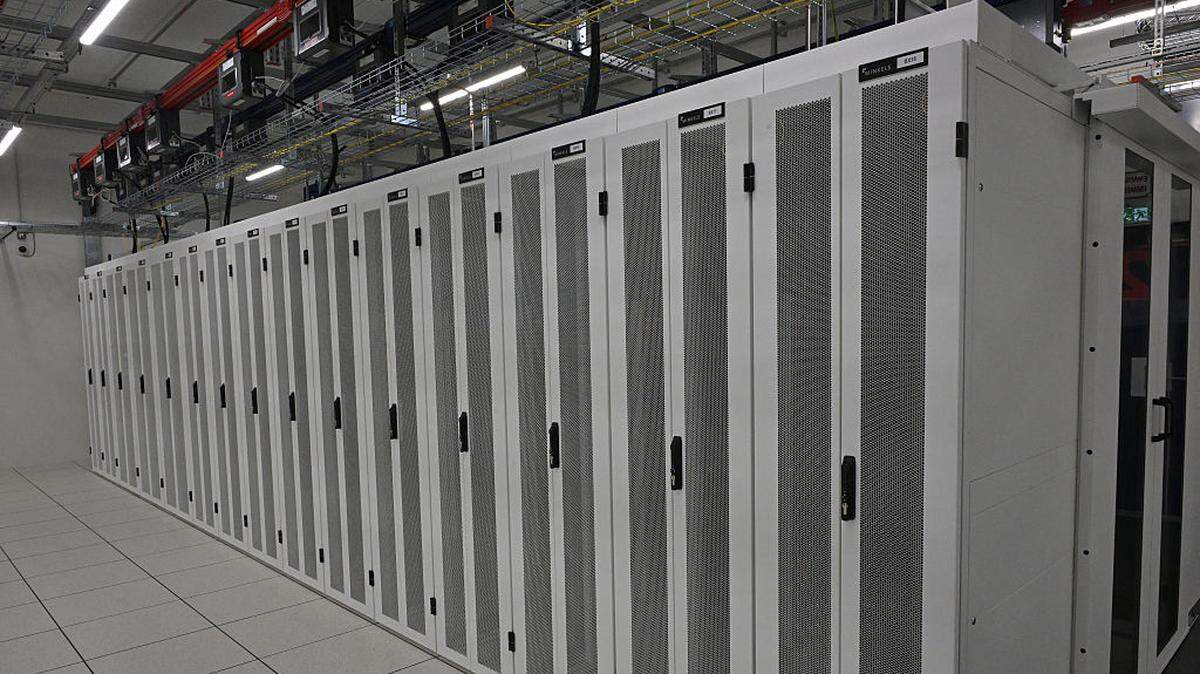
The Ohio Manufacturers’ Association wants the state supreme court to reverse a decision allowing American Electric Power to charge data centers differently than it does other power customers.
In their appeal, association attorneys called the effort a “flagrant and unlawful effort to discriminate against certain customers.”
When it approved the plan, the Public Utilities Commission of Ohio characterized it as a compromise meant to ensure ordinary customers aren’t forced to pay for the costs of connecting dozens of new, power intensive facilities.
Background
The case centers on a new data center tariff that Ohio utility regulators recently approved.
A tariff sets the terms on which a power company delivers electricity. You likely get power under a residential service tariff, for instance.
Ohio’s utilities are commonly known as ‘pole and wire’ companies — regulated monopolies in charge of maintaining the state’s energy delivery system.
The PUCO sets rates and allows utilities to bill customers for building out the transmission system.
According to a data center tracker, Ohio has the fifth most data centers in the country.
In 2024, AEP told the PUCO that surge in demand from data centers presents a unique challenge for its long-term planning.
The company paused new data center service requests in March of 2023.
In its filings with the PUCO, AEP claimed it had more than 50 data centers in the queue, representing more than 30,000 megawatts of additional power demand.
To cover the cost of buildout, AEP proposed a new tariff with minimum purchase requirements and long-term contracts, with a ramp-up period and an exit fee if a data center decides to exit the market early.
The company stressed that those requirements were meant to insulate other customers from associated infrastructure costs.
In July of this year, the PUCO signed off on a negotiated version of the plan.
Data center customers must pay for at least 85% of the power they say they need — even if their actual usage is less.
Contracts would last at least 12 years, with an exit fee of three years’ worth of minimum charges.
In a press release, AEP Ohio President and CEO Marc Reitter said the tariff “brings clarity and certainty for infrastructure planning.”
“We are looking forward to ending the moratorium and continuing to support development of more data centers in our service territory,” he said.
The appeal
The Ohio Manufacturers’ Association criticizes not just the new tariff in its appeal, but also AEP’s moratorium on new data center customers.
“AEP unilaterally imposed this discriminatory, unnecessary, unjustified, and unlawful moratorium on connecting these new customers based solely on their business function and use of electricity,” the court filing states.
Association attorneys note state regulators never signed off on the moratorium and that it “flies in the face” of state law which requires a utility serve all customers within its territory.
Choking off the industry amounted to “improper gamesmanship,” the filing continues, which gave AEP “undue bargaining power” as the tariff case worked its way through the PUCO.
What’s more, the manufacturers association thinks AEP’s claims about future demand might be bogus.
Throughout the PUCO process, the organization insisted AEP hadn’t hadn’t shared sufficient evidence to back up its dire warnings.
The association’s appeal to the Ohio Supreme Court focuses on “unreasonable assumptions” driving the tariff approval.
The PUCO tacitly agreed AEP could refuse service through its moratorium, the association argued, and tacitly agreed that future demand presents an actual problem.
Regulators also treated a tariff singling out a specific class of user as “not unduly discriminatory” and didn’t consider the tariff a rate increase.
In a press release announcing its appeal, the organization maintained that the PUCO decision was based on “overstated and speculative transmission concerns.”
“The PUCO has rigged the scales, greenlighting utility discrimination and setting a precedent that could be used to hammer manufacturers and weaken Ohio’s economic edge,” Ohio Manufacturers’ Association President Ryan Augsburger said.
“This fight isn’t about one tariff. It’s about fairness, justice and restoring balance for the future of Ohio manufacturing.”
But AEP pushed back.
In a statement after the association filed its Ohio Supreme Court appeal, the company insisted the tariff “ensures that large data center customers will pay their fair share of the costs of the upgrades needed to serve their demand for electricity.”
The “firm contractual commitments” it requires will avoid “stranded investment costs” and protect other ratepayers, the statement said.
“Frankly,” it continued, “we are confused as to why OMA would appeal a ruling that protects their members from absorbing the costs associated with building out electric infrastructure to meet data centers’ needs.”