
Ohio data center ban advocates are trying to get 413,000 signatures by July 1
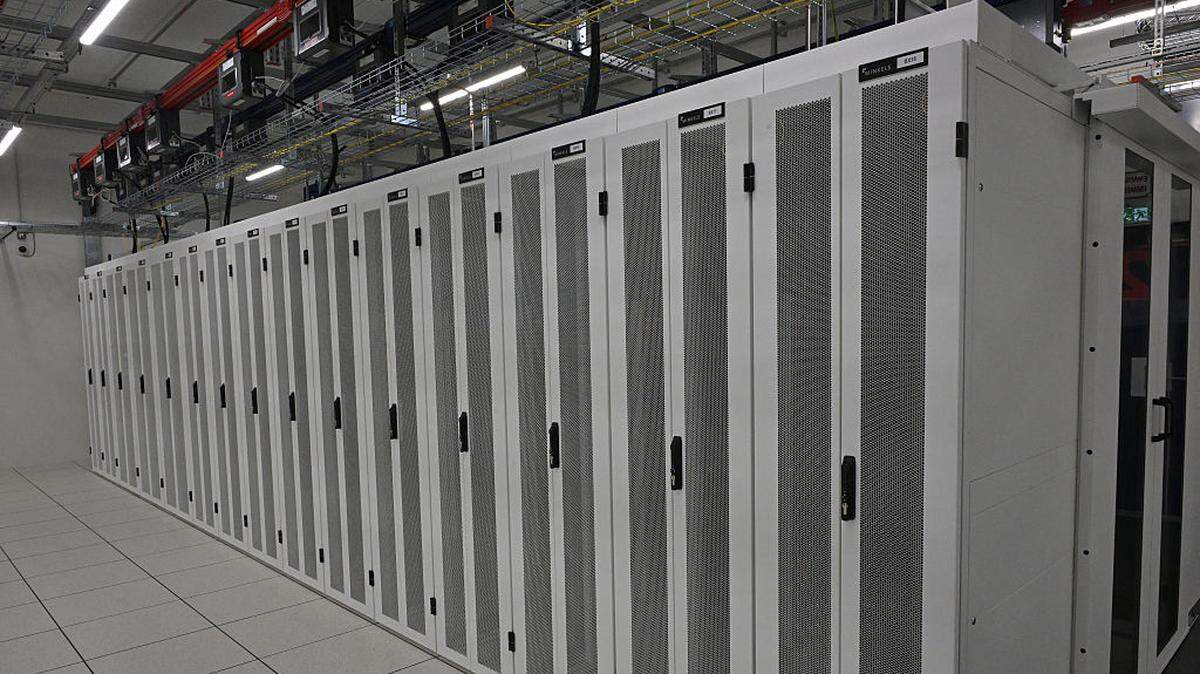
Despite being up against a tight deadline, a group of southern Ohioans are confident they will get enough signatures to get a data center ban on the November ballot.
The proposed constitutional amendment would prohibit building data centers with a peak load of more than 25 megawatts per month, but the amendment will need more than 413,000 signatures from at least 44 of Ohio’s 88 counties by July 1.
“I wouldn’t be doing it if I didn’t think it was a doable task,” said Austin Baurichter, a Brown County resident who was part of the group that submitted the petition.
The Ohio Ballot Board gave the petitioners the go ahead to start collecting signatures about a month ago.
“I feel completely confident that we’re going to get enough signatures,” said Nikki Gerber, an Adams County resident who was part of the group who submitted the proposal.
They don’t know how many signatures they have collected so far, but hope to get an idea in the next couple of weeks, Baurichter said.
They are only using volunteers to collect signatures.
“That was an intentional choice to make it widely accessible, because, in our opinion, that was the only way that we can get these signatures in the time that we need,” Baurichter said.
Ohio has about 200 data centers, the fifth-highest state in the country. Most of the data centers are in central Ohio. Cincinnati has 26 and Cleveland has 23, according to the Data Center Map.
“The push and the urgency to build data centers are coming from a national level, but much of the decision making on data centers take place locally, and the impacts are also felt locally,” said Kate Stoll, the project director at the American Association for the Advancement of Science Center for Scientific Evidence in Public Issues.
More than a dozen Ohio cities have enacted temporary moratoriums on data centers.
“There exist all these communities already that have been resisting these data centers and being concerned about it,” Baurichter said.
“So in some sense, the grassroots network that sprung up was already in existence because of how many of these data centers were already springing up.”
A large data center can use as much electricity as 100,000 homes, according to the Office of Ohio Consumers’ Counsel.
Data centers used 4% of all U.S. electricity in 2023 and that is expected to grow to 9% by 2030, according to the counsel.
Virginia has a high concentration of data centers and electricity prices there have increased by up to 267% in recent years, according to the Environmental and Energy Study Institute.
A large data center can use up to five million gallons of water per day, according to the Environmental and Energy Study Institute.
“A lot of the water used to cool data centers comes from municipal taps,” Stoll said.
The Ohio House unanimously passed a bill that would create a new data center study commission. The bill now heads to the Ohio Senate.
Lawmakers in at least 11 states — Georgia, Maryland, Michigan, New Hampshire, New York, Oklahoma, South Carolina, South Dakota, Vermont, Virginia and Wisconsin — have introduced legislation that would temporarily ban data centers.