
Ohio abortion rights advocates concerned about health access as US Supreme Court mulls mail access
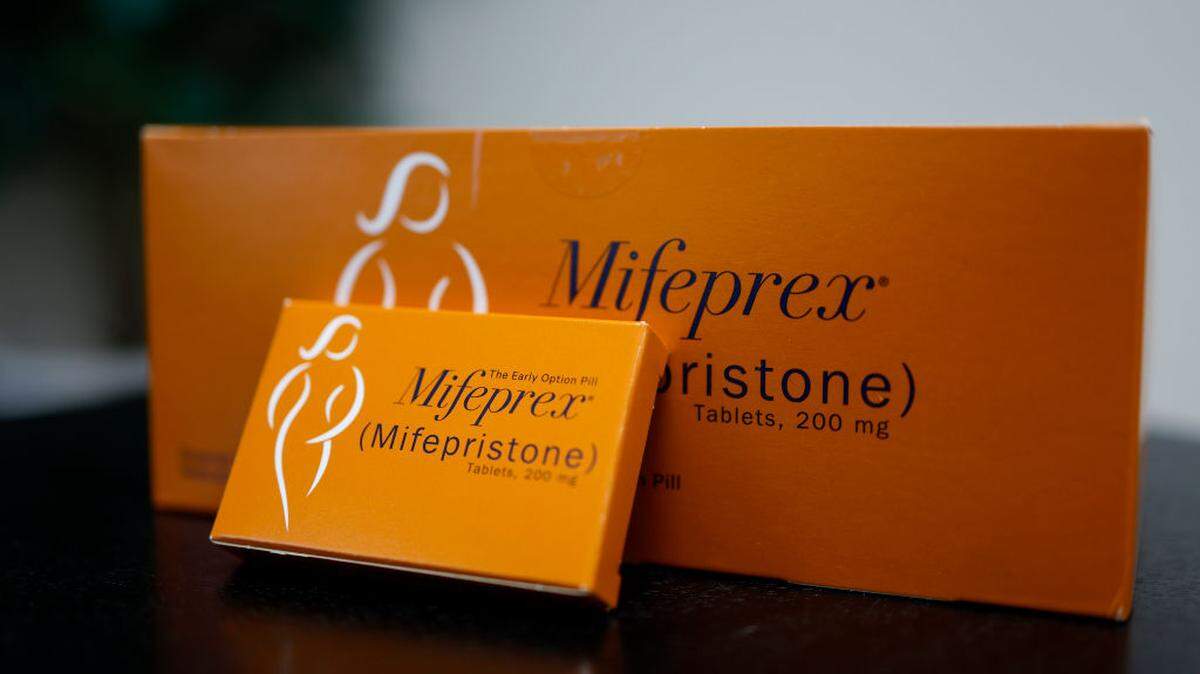
As the U.S. Supreme Court temporarily holds off a ban on telehealth abortion pill care, Ohio reproductive rights advocates and clinics say the potential loss of that type of abortion access will cause uncertainty and direct impacts to public health and wellbeing.
The U.S. Supreme Court, specifically Justice Samuel Alito, ordered a one-week pause on a federal Fifth Circuit Court of Appeals decision that stopped access to mifepristone, a drug used in medication abortions, through the mail, or through any other means outside of in-person distribution.
The circuit court took up the case after a Louisiana-based challenge to the FDA’s “justifications for remotely dispensing mifepristone,” justifications Louisiana officials said were “based on flawed or nonexistent data.”
Following the court of appeals decision on May 1, drug companies that make mifepristone requested a pause.
On Monday, the U.S. Supreme Court ruled that mifepristone distribution would be allowed for one week as the court decides next steps in the appeals process.
Planned Parenthood of Greater Ohio praised the pause, adding that restricting the drug “would have devastating consequences in Ohio and nationwide.”
“Decades of research and peer-reviewed studies demonstrate mifepristone’s safety and effectiveness,” Dr. Bhavik Kumar, chief medical officer for Planned Parenthood of Greater Ohio, said in a statement.
“It’s our sincere hope that the Supreme Court will make this restoration permanent so patients remain able to access this vital health care.”
Greater Ohio Planned Parenthoods plan to operate as usual until May 11, providing telehealth, mail and in-person medication abortion care.
Telehealth is a leading method of abortion care in Ohio, trending upward in the latest annual abortion report released by the Ohio Department of Health.
Kumar called the appeals court decision “another politically-motivated attack on abortion.”
“This decision dictates how providers must practice medicine and eliminates patients’ personal choices about their health care,” Kumar said.
Mifepristone has been FDA-approved for decades, and decades of studies have promoted their safety, despite anti-abortion rights advocates claims that the drugs were overall a danger to pregnant people.
“Americans have safely and effectively used mifepristone to terminate pregnancies since it was approved a quarter-century ago,” said Kellie Copeland, executive director of the abortion rights group Abortion Forward.
“The actions by one federal court in Louisiana are both a drastic overreach impacting patients far outside their jurisdiction, and an unacceptable blockade against people in need of options.”
While Ohio passed a constitutional amendment in 2023 to add abortion rights into the state constitution, Republican state legislators have been working to go around the amendment, attempting to not only further regulate abortion care, but disincentivize funding for clinics who provide abortion.
The legal activity also comes as Trumbull County Probate Judge David Engler attempts to get the state amendment thrown out, claiming the constitutional clause is keeping him from being able to rule on cases in which a minor requests court approval to conduct an abortion without parental consent, which involves a longtime legal method called judicial bypass.
The lawsuit is supported by anti-abortion group Ohio Right to Life, which has worked to garner support for legislative measures to further regulate abortion as well.
“Parents, and when necessary, a probate judge in their stead, should maintain the ability to be involved with a decision of this magnitude when it involves their underage daughter,” said Carrie Snyder, executive director of Ohio Right to Life.