
Ohio Supreme Court hears arguments in flavored tobacco ban case with home rule at the center
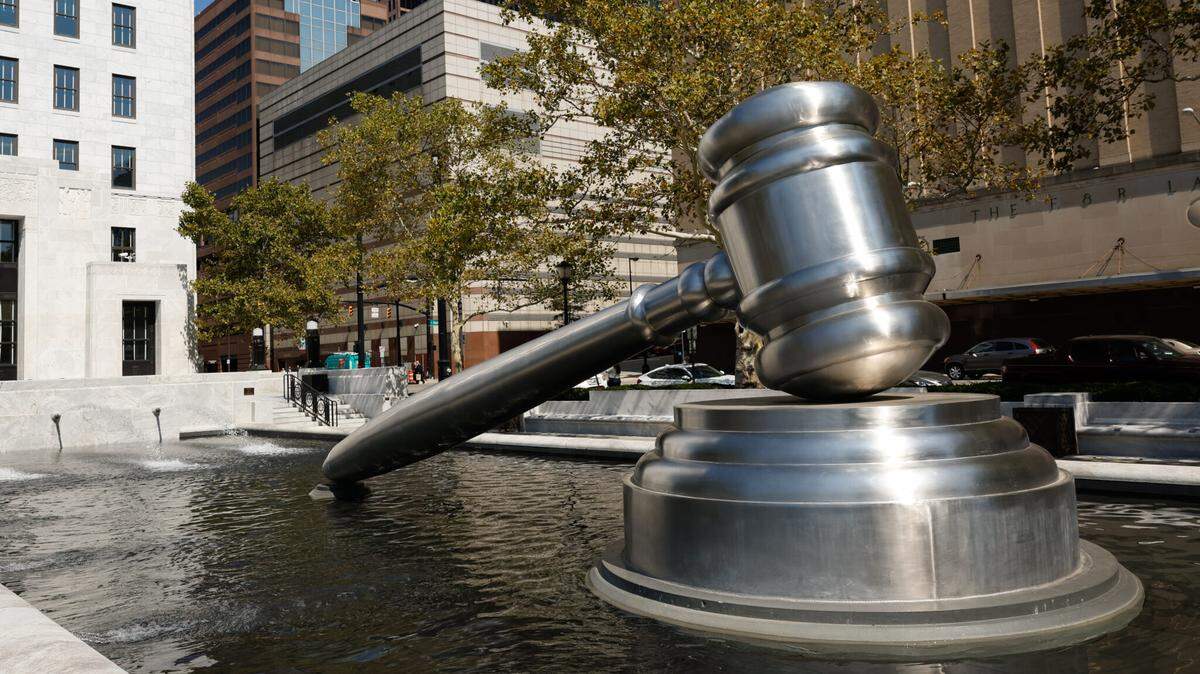
The Ohio Supreme Court will decide if Ohio cities can ban flavored tobacco products — a ruling that could have wide-ranging implications for municipal home rule.
The justices heard arguments Tuesday morning in the lawsuit and will issue a ruling at a later date.
At the heart of the lawsuit is municipal home rule, which gives cities and villages in Ohio the constitutional right to certain powers, including establishing laws in accordance with the self-government clause.
Cities have the right to make their own policies, as long as they don’t get in the way of laws in the Ohio Revised Code.
Ohio Gov. Mike DeWine vetoed a bill in January 2023 that would have prevented any city or municipality from regulating smoking, vaping, and other e-cigarette usage and sales, saying it would be bad for Ohio’s children.
Columbus City Council voted to stop the sale of flavored tobacco products in December 2022 and the ban took effect in January 2024.
Ohio lawmakers voted to override DeWine’s veto in 2024 and the law was set to take effect in April 2024.
Several cities — including Columbus, Cincinnati, Cleveland, and Toledo — sued the state and the law was blocked from taking effect.
The cities argued the Ohio Home Rule Amendment of 1912 lets cities set rules, including a ban on flavored tobacco. There are now 21 cities involved in the lawsuit.
A Franklin County Common Pleas Court judge and the Tenth District Court of Appeals agreed with the cities and the ban on flavored tobacco products currently stands.
The state appealed to the Ohio Supreme Court.
“We already have a comprehensive system of state tobacco regulations, and we do not want municipalities having a local patchwork on top of that,” said Zachery Keller, a deputy solicitor general for the Ohio Attorney General.
“Home rule amendment was never supposed to be this weapon that cities used to overturn state law.”
A four-prong test was created through a 2002 Ohio Supreme Court decision to decide if local rules outweigh state law.
The 21 cities say the flavored tobacco ban restrictions fails the four-pronged test.
“How in the world are we dealing with a situation where the General Assembly can simply say municipalities can’t pass laws,” said Columbus City Solicitor General Richard Coglianese.
“The home rule amendment says that municipalities have the right to go ahead and address problems that they themselves face.”
About 1.63 million middle and high school students nationwide used vapes in 2024, according to the Centers for Disease Control and Prevention.
Nearly 19% of Ohio high school students vape, according to the Campaign for Tobacco-Free Kids.
“They are highly addictive,” Coglianese said. “They are marketed with cereal flavors to kids.”
How the justices rule in the case could have further implications as the Republican-controlled state legislature takes issue with laws Democratic city leaders pass.
The Ohio Mayors Alliance argues home rule is vital because it allows local governments to create policies suited to their residents since “what works for Cleveland or Columbus may not fit a Cadiz or Coshocton.”
Opponents of home rule say local ordinances create a patchwork of laws that can infringe on a statewide jurisdiction.