Ohio’s new eWarrant system could shorten background check reporting from days to minutes
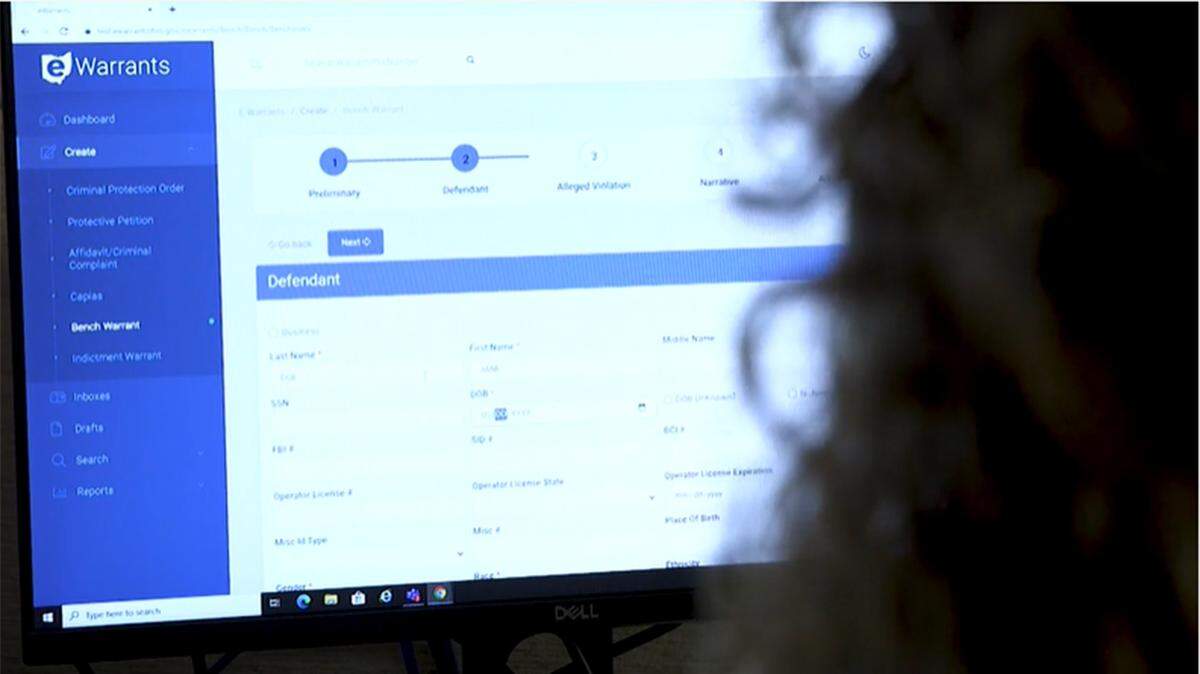
Ohio has launched a new criminal justice database system to make background checks more accurate by making warrant and protection order reporting paperless.
Mahoning County courts and law enforcement officials said the new eWarrants system can be a useful tool to streamline what can be a long and cumbersome process. But it’s still unclear when it could come to Mahoning, said Kathi McNabb Welsh, the county’s chief deputy clerk of courts.
Why it matters
The system is expected to catch criminal database entries that fall through the cracks “due to the fragmented, inefficient and technologically-obsolete warrant entry practices in use by many courts and law enforcement agencies in Ohio,” reads a Wednesday news release from Gov. Mike DeWine.
Of the 17,500 warrants active in March 2019 for the most serious of crimes — like homicide, rape or aggravated assault — more than half were never entered into the federal National Crime Information Center (NCIC) database, the governor’s warrant task force reported that year. The group found more than 217,000 warrants statewide were in LEADS, Ohio’s statewide criminal database, but only 18,000 of those were entered into the national database.
LEADS and NCIC are the systems that stop criminals from buying guns, and help officers identify those who have warrants or open protection orders against them. But because some police agencies in Ohio don’t use LEADS, the task force in 2019 said there was no telling how many outstanding warrants the state actually had that year. The group estimated more than 500,000.
“We developed the new eWarrants system to help our criminal justice agencies overcome the information-sharing barriers that have left dangerous holes in our background check systems,” DeWine says in the news release. “Agencies that use the eWarrants interface will be able to get up-to-date, comprehensive information into the hands of law enforcement nationwide almost immediately so that they can better protect the public, protect themselves and prevent the illegal purchase of firearms.”
That number of warrants entered into NCIC has since increased from 18,000 in March 2019 to more than 220,000 last month, according to the governor’s office.
In Mahoning County
Once warrants and protection orders are issued by a county court, it sometimes takes days for the hard-copy paperwork to reach the Mahoning County Sheriff’s Office’s specially trained LEADS officer, who puts them in the database, said Sheriff Jerry Greene.
Two Ohio counties are using the eWarrant system right now — Meigs to the south and Champaign to the west. The Meigs County Common Pleas Court can now file bench warrants in 12 minutes, according to the governor’s office.
The once hand-delivered documents would be uploaded directly by court clerks, Greene said.
“[It’s] basically going to become a sort-of paperless process where that information will get added right away,” he said. “We’ll be able to get that information — on new warrants, especially, and protection orders — in the system and to the officer much quicker.”
A Columbus Dispatch investigation found that four Mahoning Valley courts fell behind on reporting the names of those banned from owning guns to the national background check system between 2015 and 2018: Youngstown Municipal Court and Mahoning County’s Area Court No. 3 in Sebring, both in October 2015; Trumbull County’s Eastern District Court in Brookfield, in October 2015; and Columbiana County Common Pleas Court, in November 2017.
Mahoning County was one of the eWarrants pilot counties, McNabb Welsh told Mahoning Matters Wednesday. Now, local officials still need to figure out how to transition to the new, free system and make sure they’re not duplicating their efforts on paper and online.
Outreach meetings for local courts are expected in the coming weeks, McNabb Welsh said.
“It’s definitely something that we are very interested in. The potential for this is good,” she said.