
Proposed amendment to give Ohioans the ‘right to refuse’ medical treatment moves ahead
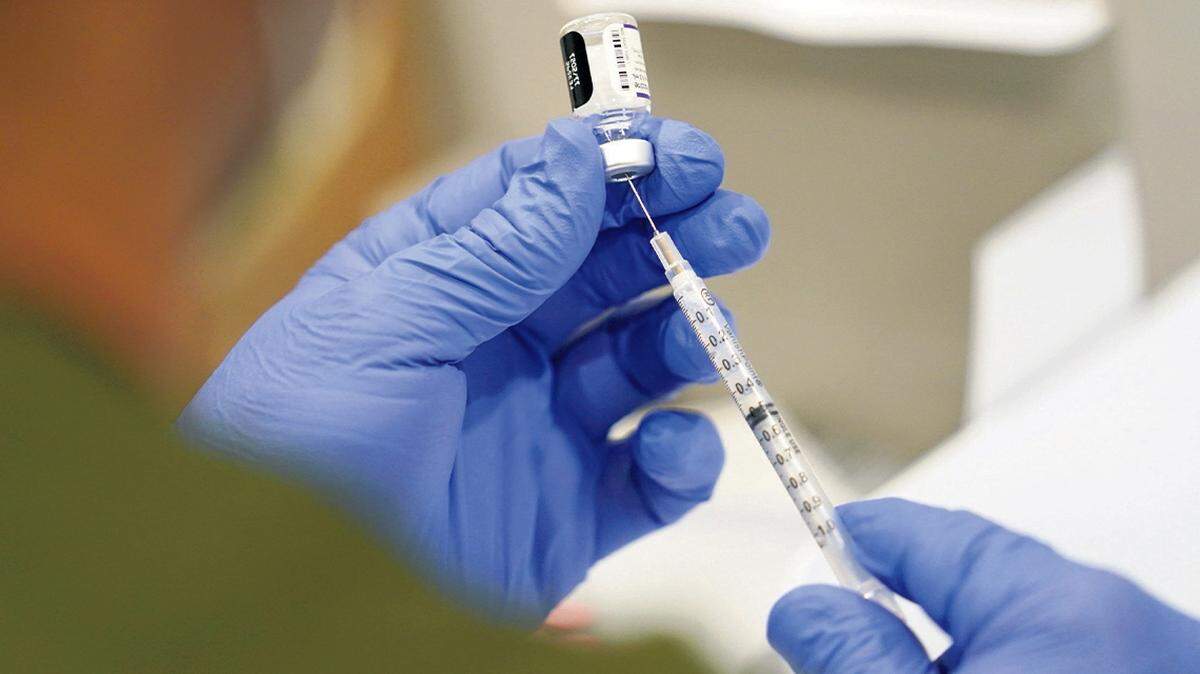
A citizen organizing group now needs to collect more than 100,000 signatures if it wants voters to decide on an amendment to the Ohio constitution that would allow anyone to refuse medical treatment, including a vaccine.
The Ohio Ballot Board approved the “Medical Right to Refuse Act” on Tuesday, saying it is a single proposal. Organizers have said they hope to have the proposed amendment before voters in May.
The proposed ballot initiative would prohibit an outside entity from forcing medical treatment on someone. It would also protect a person refusing medical treatment required by an employer, such as a hospital requiring an employee to receive a vaccine as a condition of employment.
Board member Pavan Parikh, the Hamilton County clerk of courts, questioned if the proposal would stop the state from being able to require glasses or corrective lenses in order for someone to obtain a driver’s license.
“My concern is the general concept of the medical right to refuse as an individual right versus the right of the government,” Parikh said.
Diana Smith, a certified medical assistant from Bradford, told the Associated Press she helped initiate the petition not out of opposition to vaccinations, but to ensure Ohioans are “free to do their own research and do what they want with their bodies without fear of losing their livelihood.”
“This isn’t just about COVID-19,” Smith added. “I’m not an anti-vaxxer, I’m anti-mandate, I’m anti-discrimination.”
In February, Ohio Attorney General Dave Yost denied a group’s attempt at a similar proposed amendment for the third time based on the summary.
Yost’s role in the petition process is to determine whether the summary is a fair and truthful representation of the proposed statute. He said the submitted petition for the “Vaccine and Gene Therapy Choice and Anti-Discrimination Act” did not meet the requirement of a fair and truthful representation of the proposed statute.
The “Medical Right to Refuse Act” proposed cleared that hurdle, and the second step in front of the Ohio Ballot Board.
Once a summary is approved by Yost, the Ohio Ballot Board determines whether the proposal contains a single law or multiple laws.
If the board certifies the petition, the group must collect signatures from at least 3% of registered voters based on the ballots cast in the last gubernatorial election. Those signatures must come from at least 44 of the state’s 88 counties, and in each of those counties, the number must be at least 1.5% of the vote cast in the last gubernatorial election.
The petition then must be signed by the secretary of state at least 10 days before the beginning of any General Assembly session, and the secretary of state will send the petition to the General Assembly as soon as it convenes. The general assembly has four months to act.
___
Samantha Hendrickson, a corps member for the Associated Press/Report for America Statehouse News Initiative, contributed to this report. Report for America is a nonprofit national service program that places journalists in local newsrooms to report on undercovered issues.