How old is too old to drive? See if Ohio drivers get into more accidents as they age
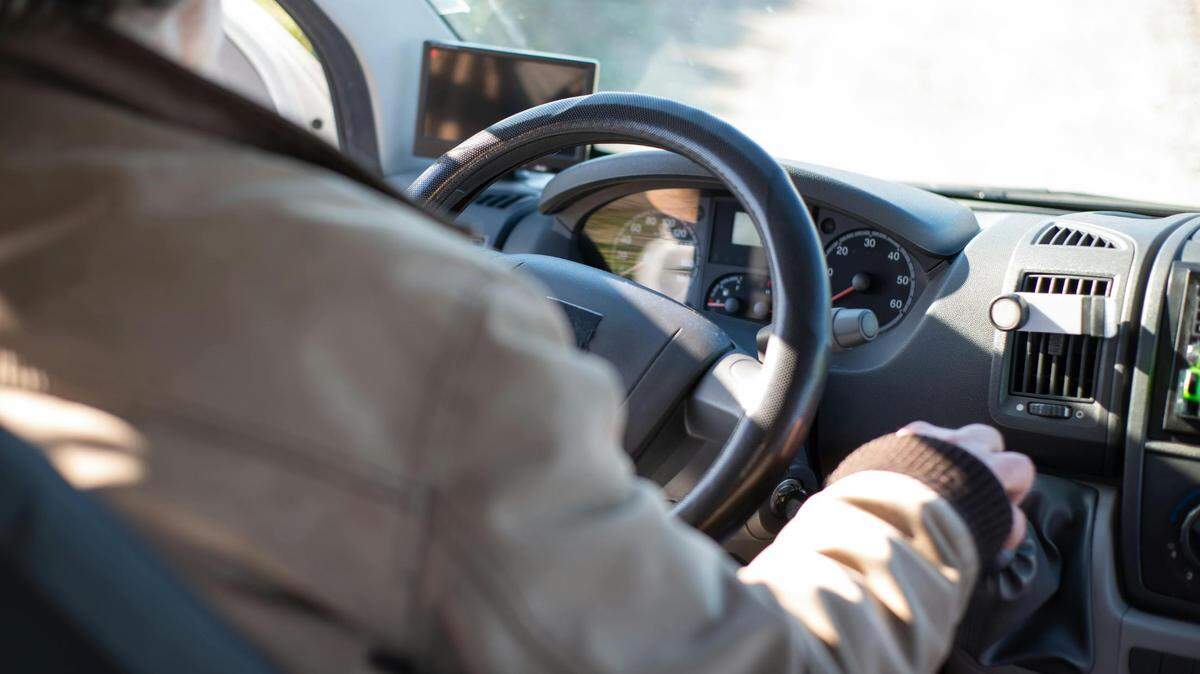
While there are many laws outlining how young is too young to participate in things, the law gets murkier as you get older.
In Ohio, there is not a specific cutoff age for driving or having a license, because it is considered discriminatory.
However, there are some things to be considered as drivers age.
According to Southern General Insurance Company “any operator over the age of 79” is considered an unacceptable risk for underwriting new insurance policies, unless “we receive a statement of physical condition signed by a physician.”
Are seniors required to re-take driving exams when renewing an Ohio license?
The state of Ohio holds older drivers to the same renewal requirements as all drivers.
According to The Caregiver list, a website run by senior care industry professionals, there are no additional written or road tests that are mandated based on age alone, but standard requirements include:
Licenses must be renewed every four years
A vision test is required for renewal
The state of Ohio can police older drivers, even without enacting laws.
The Ohio Bureau of Motor Vehicles (BMV) can enact certain restrictions on drivers, including older drivers, if there are concerns about their ability to drive safely.
According to legal website, Nolo, “the BMV can require a driver to submit a medical statement or be retested if there is ‘good cause to believe’ that the driver is incompetent or incapable of driving safely.”
Credible requests can come from the following sources:
Law enforcement agencies
Courts
Physicians
Hospitals
Rehabilitation facilities
Relatives, friends, or neighbors (though these require sufficient cause)
If the driver is found to be significantly impaired, the BMV can enact the following restrictions:
Requiring the use of corrective lenses while driving
Limiting driving to certain times of day
Restricting driving to specific areas or types of roads
Requiring additional vehicle equipment or adaptations
Are Ohio drivers over the age of 65 involved in more wrecks than other age groups?
State requirements and insurance guidelines involving the elderly are most likely a result of the accidents associated with drivers 65 or older. The National Highway Traffic Safety Administration reveals some startling statistics about the 47.8 million people (roughly 15% of the United States population) who are 65 and older:
This sect of the population accounts for 18% of traffic accidents
3,859 older drivers were killed in a year
In that same year, 828 passengers died in the vehicle of an elderly driver.
1,158 pedestrians were killed in by vehicles driven by older drivers
The Insurance Information Institute suggests that the fatalities and injuries in the population of drivers is a direct result in their increased susceptibility to injuries and diminished reflexes and vision. Even though this segment of drivers is significantly lower than younger drivers, “older drivers are keeping their licenses longer and driving more miles than in the past.”
What are the leading causes of accidents involving older drivers in Ohio?
The majority of accidents involving the elderly are a result of a few circumstances:
Improper turns
Failure to yield
Driving the wrong way
Distracted driving
Pressing the gas pedal instead of the brake
Speeding
Failure to signal
Erratic driving
Impaired driving
For every mile a person over 75 drives they are more likely than any other driving population (except teenagers) to be injured or killed in a car wreck.
How can you help your senior loved one?
However, “the challenge facing the transportation community is how to provide the elderly with easy mobility, while at the same time protecting them from the risks they face from driving,” says Issues in Science and Technology Magazine.
Although it can be very awkward, and even heartbreaking to confront your loved one about their driving, it could be a matter of life or death. The solution involves a combination of evaluation, education and providing alternatives.
Encourage your older driver to get evaluated by doctors, take certified driver safety course designed especially for their age group or introduce them to ride share apps or public transportation.
This can be a fairly sticky subject to approach. Do you have any recommendations or suggestions? Sound off in the comments, or you can email me or find me on Instagram.
This story was originally published August 15, 2024 at 1:25 PM.