
Second coronavirus wave shutdowns: Is Ohio next?
YOUNGSTOWN — On March 26, former Health Director Amy Acton predicted Ohio would see 6,000 to 8,000 new coronavirus cases daily at its peak surge.
About eight months later, the state began to register those once-unbelievable numbers.
On Tuesday, Ohio reported 247,260 confirmed cases of COVID-19 — a record 6,165 more than reported Monday, including 267 new cases in the Mahoning Valley.
Tuesday's record is nearly 800 cases more than the state's previous daily record, reported Saturday, and more than 2,000 cases more than the record reported Nov. 3. Just two months ago, the state had regularly reported under 1,000 daily new cases.
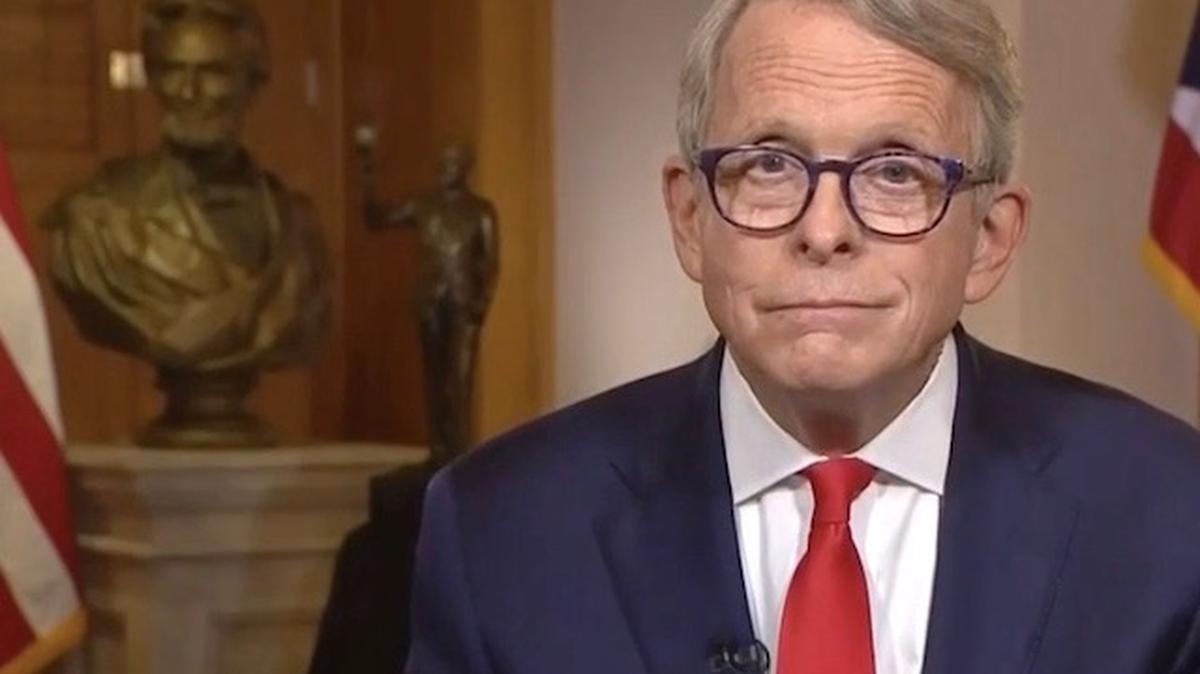
About an hour before those numbers were reported Tuesday, Gov. Mike DeWine canceled his regular afternoon briefing in lieu of a special address set for today at 5:30 p.m.
Though some local officials have been in touch with the governor’s office in recent weeks to form localized COVID-19 “defense teams” and others had calls with ODH on Tuesday, none could speculate on what DeWine’s message will be tonight — even Melanie Amato, the health department’s press secretary, said she had “no idea.”
The last time DeWine canceled an update for an evening address was July 15, when he delivered a grandfatherly fireside chat.
STATES CLAMPING DOWN
In March, the state endured surging cases from the structure of a complete lockdown. Streets were empty, and anyone who wasn’t an essential worker left home only to go to the grocery store.
Although the state’s emergency declaration remains in place, gyms, restaurants, and bars are open. Schools were permitted to resume in-person classes with certain restrictions, like masking and social distancing. Many Ohioans are back to work and back to attendance-controlled football games. We’ve resumed attending weddings, funerals and parties, although the state maintains an official ban on gatherings of 10 or more people.
As states across the country experience a brutal second wave of coronavirus cases and hospitalizations, some have reinstituted restrictions like Ohio experienced in the spring. In recent days:
Connecticut, which Tuesday averaged 10.9 percent positive tests over the last week, has begun to implement new restrictions. The state restricted restaurants to 50 percent capacity; religious ceremonies to 50 percent capacity or 100 people, whichever is smaller; indoor event spaces to 25 people; outdoor events to 50 people; and theaters to 100 people.
Illinois, which Tuesday averaged 10.8 percent positive tests over the last week, ordered the suspension of indoor service at restaurants and bars.
Maryland Gov. Larry Hogan announced the state will reduce indoor operations for bars and restaurants from 75 to 50 percent capacity, in response to surging cases. On Tuesday, the state averaged 4.2 percent positivity in the last week.
In Ohio, where the seven-day moving average for positive tests was 9.6 percent on Sunday, Gov. Mike DeWine has repeatedly said he does not plan to order another lockdown, but his irregular press schedule this week has left Ohioans guessing.
NOT SURE WHAT TO EXPECT
During an impromptu press briefing Monday, DeWine passed the mic to health care leaders in each of the state's designated hospital zones. They explained the situation in local hospitals is getting dire, and not necessarily visible to the public.
Local leaders aren’t sure what to expect during today’s special address when the governor is expected to discuss the critical stage the state is at in battling the virus.
Youngstown Health Commissioner Erin Bishop said the Youngstown Health District has not heard anything about what DeWine will discuss tonight.
The health district meets with DeWine every Monday to discuss the pandemic. During Monday’s call, DeWine talked about the increase in cases across Ohio but did not make any indication that there would be shutdowns or more restrictions announced, Bishop said.
Ohio health departments were also scheduled to meet with DeWine prior to his Tuesday press conference; the meeting was moved to Wednesday before DeWine’s evening address.
“I don't know what changed, but it’s kind of a wait and see until tomorrow,” Bishop said.
DeWine late last month called on local leaders to form their own COVID “defense teams,” responsible for assessing virus spread in their communities and taking action to slow it. Canfield officials took that initiative last week.
At the time, DeWine said he planned to conference with leaders in each of Ohio’s 88 counties, starting with those experiencing the worst spread.
VIEW FROM TRUMBULL COUNTY
Frank Migliozzi, Trumbull County health commissioner, said DeWine’s administration has yet to call Trumbull County, which on Tuesday reported 123 new cases, according to ODH. It currently has the 22nd-highest total cases in the state and the 9th-highest deaths.
The county’s emergency operations center has continued to coordinate the county-level pandemic response and is now expanding to include Trumbull County Educational Service Center and Kent State Trumbull, he said. It’s also seeking participation from business leaders and the Youngstown-Warren Regional Chamber, as well as religious leaders.
“We’re not waiting, with the surge that’s going on,” Migliozzi said. “When you work through a unified command system, it really does help to have everybody working in unison toward a common goal.”
Early in the pandemic, Trumbull’s centralized response focused on supplying PPE to county long-term care facilities — which were seeing a “significant surge” in cases, he said — and advising on infection control practices. When the state released its Ohio Public Health Advisory System map in mid-summer, the Trumbull center kept a close eye on how its seven risk indicators trended.
County health officials have made the pitch for more local cooperation, but with mixed success. As virus trends continue to worsen, Trumbull health officials are now reaching back out to local leaders who have yet to take up arms against the virus.
“We’ve certainly reached out to several of our elected officials. … We’ve had varying degrees of participation from them,” Migliozzi said.
Migliozzi said he expects the county to soon release its own online dashboard detailing COVID-19 trends across the county and by ZIP code. Officials don’t yet have a date for the dashboard to go live, but Migliozzi expects it in “the next week or so.”
“People should think long and hard about whether they really need to go out,” he said. “Because we’re never going to get on top of this without the cooperation of everyone.”
AUSTINTOWN ISSUES
Hollywood Gaming at Mahoning Valley Race Course has suspended live racing cards through Nov. 21 "out of an abundance of caution" due to a positive COVID-19 test on its racetrack side, according to a late Tuesday release.
Live racing is set to resume Nov. 23, according to the release. The racino otherwise remains open for simulcast wagering and other gaming.
The Austintown Senior Center remains closed as long as Mahoning County stays at level 3 “red” alert status under the Ohio Public Health Advisory System map, said trustee Jim Davis.
The center was set to close for at least two weeks after an employee tested positive for COVID-19. Trustees later approved an ordinance to keep it closed while the county is at high-risk. The new rule allows the center to reopen once the county remains below “red” alert status for two weeks.
Township EMS crews are now using the senior center as a station, since it has laundry and shower facilities, Davis said. Firefighters who were previously centralized at one station have now spread out to smaller crews at three separate stations, to mitigate any potential outbreak, the likes of which has plagued the Boardman Township Fire Department.
“Instead of having two trucks with three guys, we got three trucks with two guys,” Davis said. “In some instances, that will help response, but it certainly won’t [increase] response times at all.”
Township officials haven’t yet formed their own COVID “defense team,” nor has any other locality aside from Canfield, Mahoning health officials said Tuesday.
The township has no health jurisdiction aside from the events it runs, like its Concerts in the Park series, which has ended, and the winter farmer’s market, which has been canceled this year in favor of a “virtual” market.
“We’re looking at each one on a case-by-case basis,” Davis said.
This story was originally published November 11, 2020 at 3:52 AM with the headline "Second coronavirus wave shutdowns: Is Ohio next?."