
Youngstown’s sewage plan, already behind schedule, goes back to the drawing board
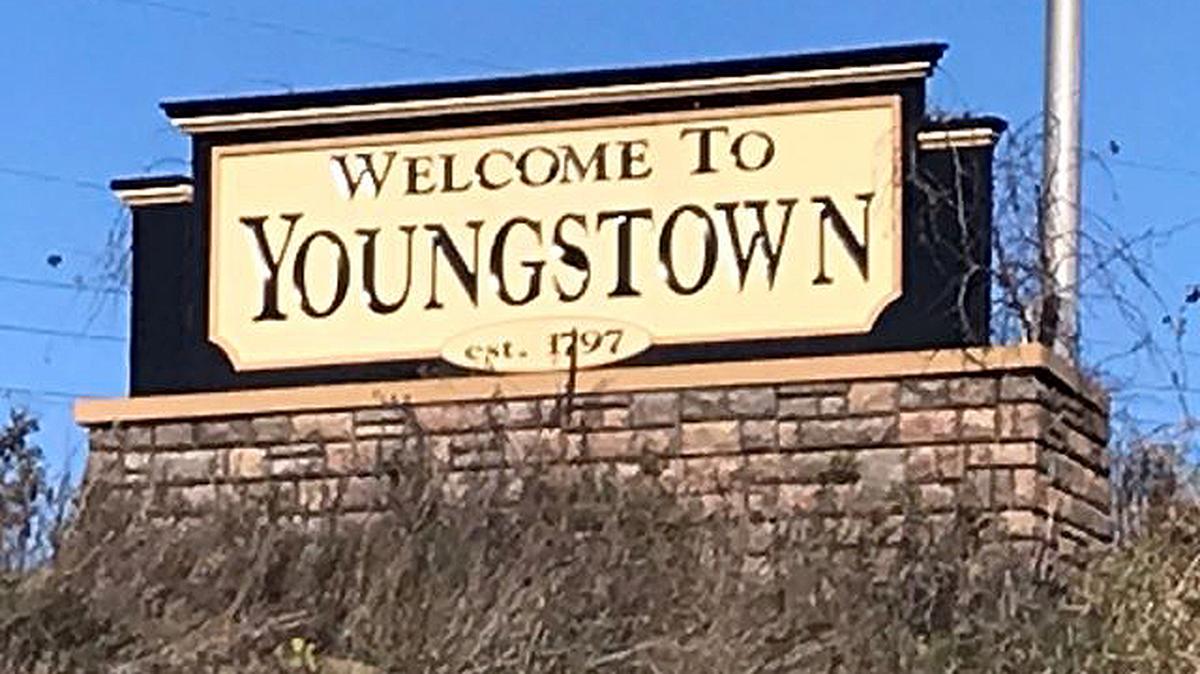
YOUNGSTOWN — The city is taking another look at its plan to control sewage overflows, even as its efforts to comply with a federal mandate lag nearly three years behind schedule.
The reevaluation comes as the city considers how to spend more than $80 million in American Rescue Plan funding awarded due to the COVID-19 pandemic, which some residents have urged the administration to spend on wastewater infrastructure.
Since 2002, the city has been under a consent decree from the U.S. Environmental Protection Agency to revamp its sewer system, which was built before the 1972 Clean Water Act mandated protections for streams and waterways. Under the current system, wastewater and stormwater runoff flow through the same pipes and, during heavy rains, are designed to empty into bodies of water at points known as combined sewer overflows, or CSOs.
The issue is expected to get worse as climate change brings stronger rainfall to the region, according to the EPA. Last year, nearly 1.3 billion gallons of combined wastewater and stormwater entered the Mahoning River from more than 1,200 overflows — twice as much as in a normal year.
In 2015, the city finalized its $160 million long-term control plan for CSOs, and has completed the first phase — improvements to its wastewater treatment plant — said city Public Works Director Chuck Shasho. However, phases two and three — which involve constructing a new wet-weather facility and eliminating 13 overflows in the Mill Creek basin — are still unfinished, Shasho said.
Shasho explained that changing demographics spurred the city to reconsider its original plan. Data from the 2020 Census indicates that Youngstown’s population has shrunk from 65,000 to about 60,000 since 2015, and many vacant houses have been demolished and driveways have been pulled up. With less concrete covering the ground, the soil can absorb more water and less runoff might enter the sewer system, Shasho said. Lower flows, he added, might be the justification the city needs to construct a smaller wet-weather facility than originally planned.
Shasho estimated that the reevaluation would cost about $2 million and said the funding would come out of the city’s budget. Three proposals have been submitted since the city put out a request for engineering firms to “verify the viability” of the plan in August, and the city plans to finalize a contract in the first quarter of next year. Shasho said he couldn’t comment on whether the city then plans to renegotiate its original long-term control plan with the EPA, or what that would look like, but said that he had met with the EPA to explain the city’s intentions over the summer.
“We want this to produce favorable results and result in having the right size of a design and save us some money,” Shasho said. “We want to know what types of flows we’re looking at and not rely on an old model.”
But some residents are urging the administration to take action now, using the ARP funds that have already been provided. Richard Ostheimer, who lives near Mill Creek Park, said the city should use the funding to decrease the burden on ratepayers, who as the city shrinks are becoming disproportionately older and lower-income, while also facing rate increases.
“That way, everyone who pays a water bill in the city benefits from the $80 million,” Ostheimer said. “I can't think of any other way that benefits everyone, businesses, individuals, institutions. They all pay a sewer and water bill.”
These proposals are being considered by the city, said Councilwoman Lauren McNally of the city's 5th Ward, who hosted a listening tour in June to hear residents’ opinions on how the ARP funding should be used. She said no funds had been allocated yet, but that the city was accepting proposals and ideas through Friday.
“The money we received doesn't even come close to the cost of our [long-term control] plan,” McNally said in an email to Mahoning Matters. “But if we use the money strategically, we can prevent ourselves from having to do any more rate hikes, which is ultimately how we've been paying for the [plan] right now.”
Still unclear is how the delay will impact the city’s obligations to the federal government, which has the authority to penalize Youngstown up to $2,000 a day for missing a single plan milestone. At this point, the city could owe nearly $2 million for missing the deadline to complete just one component — the Mill Creek sewage interceptor — according to figures from the consent decree. Reevaluating the plan threatens to put the city even further behind schedule.
Asked whether penalties were going to be levied, the EPA said in a statement that it could not discuss the details of “ongoing enforcement actions.” But McNally said that the city had so far not been penalized or notified of any upcoming charges.
“We are in constant contact with the EPA and have been working closely with them throughout this entire process,” McNally said. “I think we have a good working relationship with the EPA and they see us making significant progress in the face of many obstacles, COVID just being one.”
This story was originally published October 21, 2021 at 3:52 AM with the headline "Youngstown’s sewage plan, already behind schedule, goes back to the drawing board."