
HELP WANTED | A veterinarian shortage in the Mahoning Valley is delaying pet care
[Editor’s note: This is the sixth report in our multipart series “Help Wanted,” in which Mahoning Matters reviews labor shortages in Mahoning County’s top employment sectors, focusing on jobs that are difficult to fill, have high turnover or are otherwise in high demand. Nationwide, 4.3 million people quit their jobs in December 2021 alone, according to federal data. This report focuses on veterinary jobs; future articles will focus on manufacturing and other sectors. Have something to say about local employment rates or in-demand jobs? Email us at news@mahoningmatters.com, send us a confidential tip here or call us toll-free at 888-655-1012.]
[Editor’s note: This article has been updated to reflect that the Cleveland Clinic sponsored the travel visa for Animal Charity Humane Society’s part-time veterinarian, correcting erroneous information previously given to Mahoning Matters.]
___
Local animal clinics and shelters are struggling to hire and keep veterinarians in the area to perform emergency surgeries and preventive care like vaccines, local animal shelter officials said.
Jane MacMurchy, operations director for Animal Charity Humane Society in Boardman, said the veterinarian shortage has been a global issue over the past 10 years, but it’s started to impact local shelters in the past three years.
The suicide rate for veterinarians is high, driven in part by animal cruelty and abuse cases and compassion fatigue, studies show.
More than 30% of U.S. veterinarians have depressive episodes, and 17% said they have had suicidal thoughts since leaving veterinary school, according to a 2019 U.S. Centers for Disease Control and Prevention study.
That’s more than four times the national average of 4% of adults in the general public who said they have suicidal thoughts, according to a 2015 Substance Abuse and Mental Health Services Administration survey.
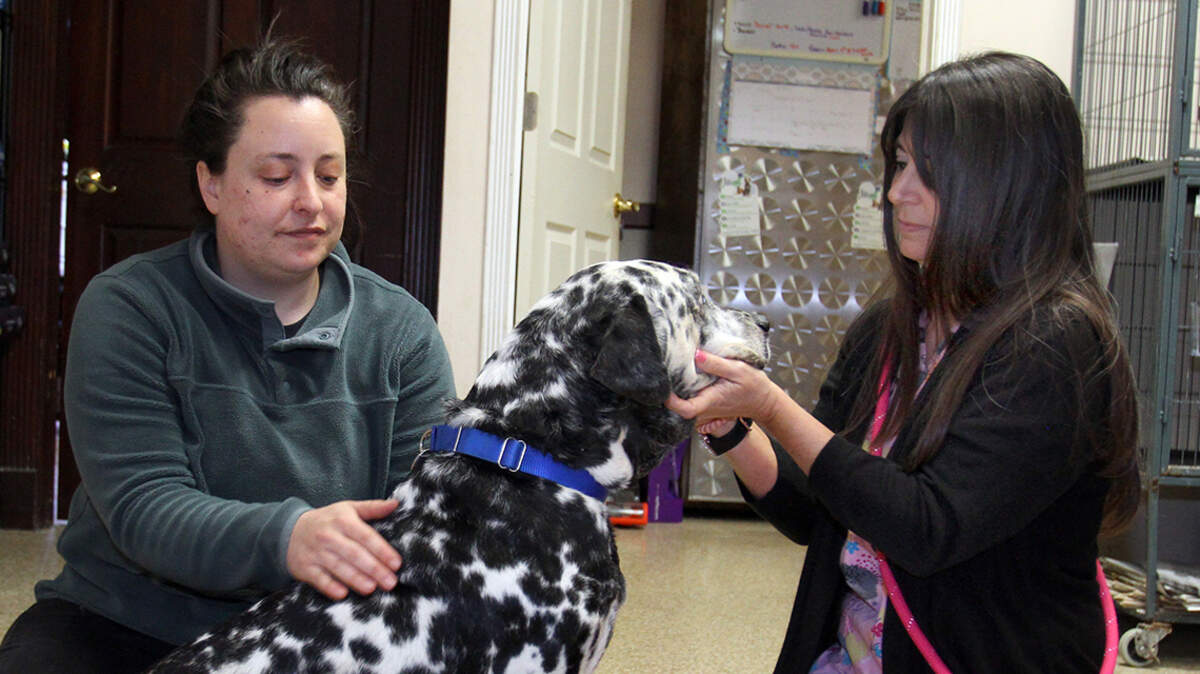
“I will receive one to 200 messages every single day about people’s personal animals and animal [abuse] that they see on Facebook,” MacMurchy said. “Our veterinarian [who] comes in, who is in charge of the veterinary portion of animal abuse investigations — she is right in there with us with the worst abuse and neglect cases.”
The profession’s long hours, work overload, poor work-life balance and high student loan debt are some factors contributing to the high suicide rate, according to the CDC study.
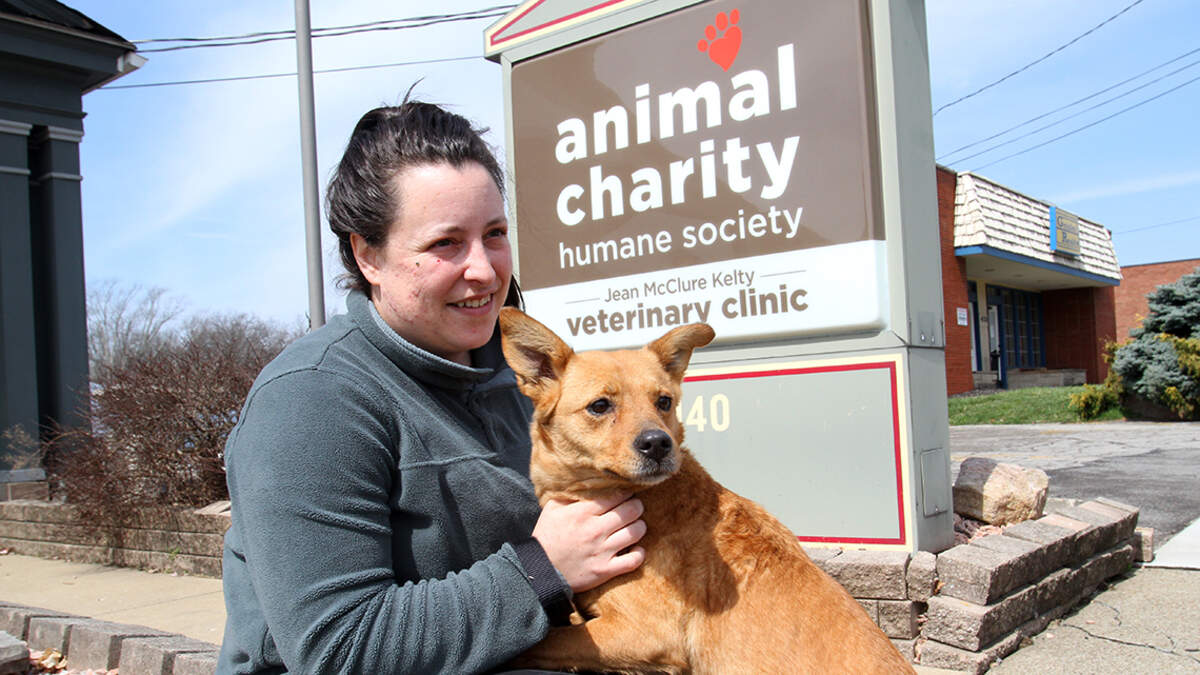
MacMurchy said the shelter has been without a full-time veterinarian since 2019 and it’s now unable to offer scheduled or emergency care for sick animals.
“We have a surgeon [who] comes in one to two scheduled days a month and does dental, mass removals [and] spay and neuter surgeries for clients,” she said.
Kimberly Carter, owner of Humble Creatures Veterinary Clinic in Canton and the humane society’s only veterinarian, opened up to Mahoning Matters about the job’s mental and emotional toll.
Carter said she graduated from Ohio State University and has been in practice for 13 years. But she paused her private practice for several years to avoid dealing with the general public and to work through her own mental distress.
She said she restarted her private practice a couple years ago and now owns her own clinic. She said she battles with depression and anxiety from working as a veterinarian and goes to counseling regularly to become “mentally and emotionally stronger.”
“We are not the kind of people [who] can just leave work and leave work at work. There’s very few veterinarians that I know that can do that,” Carter said. “Most of us are the kind that go home and replay the day [in our mind], think about things that we could have done differently or should have said differently.”
Carter said animal care staff and veterinarians can get burned out quickly by having to deliver unfortunate news about pets and perform euthanasias, which can be difficult.
“Within minutes, you have to go into another appointment with a smile on your face,” she said. “Today we had a really difficult euthanasia that had most of us in tears because [we saw] what the owners were going through and how difficult they were taking it.”
Carter said social media also can be a trigger for veterinarians, when they read cruel public comments about a veterinarian’s skills and their private practice.
“One person making a cruel post about a business or a person specifically can go viral and can actually ruin a business,” she said. “I’ve read about several veterinarians [who] have committed suicide after that happening.”
MacMurchy said the shelter is now putting more time toward finding new veterinarians, while also continuing to focus on caring for shelter animals. But its services today are limited.
“If they’re on medicine, then [clients] can go through us to get their refills. But basically, [we just offer] the starter vaccines, boosters and grooming services,” she said. “We have to refer out all other clients, and unfortunately, we don’t have very many places that we can refer them out to anymore just because of that shortage.”
One of those places is Penn-Ohio Veterinary Services in West Middlesex, Pennsylvania, one of the few veterinary clinics around the area that is still accepting new clients, MacMurchy said.
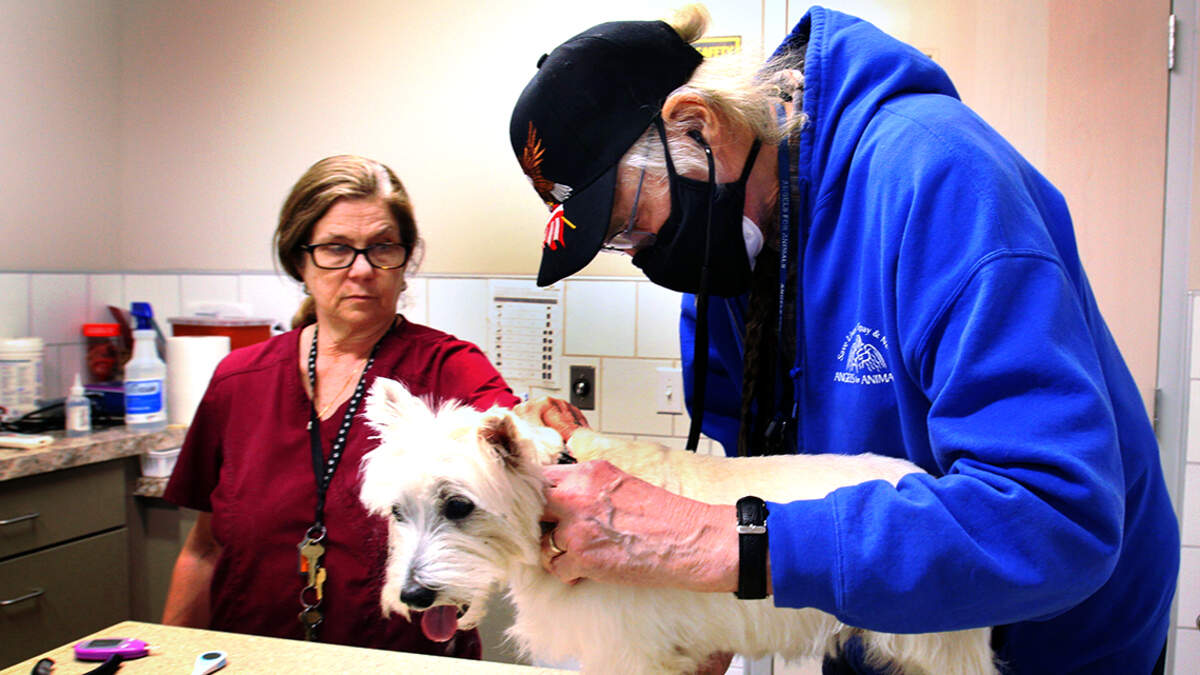
But the larger impact to pets’ well-being comes from affordability, rather than veterinarian availability. MacMurchy said animals in emergency situations are dying more often because their caretakers just can’t afford private care, which is more expensive than care at a shelter.
“I think it’s just owners who are unable to get their animals the care that’s needed — whether it’s a financial burden or [they’re] unable to get into a vet,” she said. “We are not considered private practice, so we don’t have those outrageous private practice prices.”
MacMurchy said the shelter in the past was able to work with low-income clients so their animals were receiving the right care, but without a full-time veterinarian, those people are now underserved.
The shelter even started recruiting veterinarians from across the globe to move to Youngstown and get licensed to practice in the state, MacMurchy said.
The shelter previously hired a part-time veterinarian from India. He worked full-time at the Cleveland Clinic as a physician and veterinarian on a travel visa sponsored by the hospital, while also working with the Boardman shelter, she said.
MacMurchy said she has been communicating with a native Ukrainian who is working toward a veterinary degree in Russia. She said she hopes the student will consider taking a job as a full-time veterinarian in Boardman so the student does not have to return to Ukraine.
“We’re very thankful that we have made contact with a veterinarian [who] is hoping to leave the country in July and our goal would be to get that person safe and cared for but also to help in the community,” she said.
A 10-year outlook on northeast Ohio jobs forecasts veterinary care roles to be some of the fastest growing professions in the state through 2028. Job openings for veterinarians specifically were expected to grow 15% between 2018 and 2028, according to the Ohio Department of Job and Family Services — but that’s still only an estimated 165 new openings each year.
After graduating, veterinarians tend to find work opportunities that are closer to their schooling locations, and students from northeast Ohio usually do not consider returning home for work, MacMurchy said.
There are several online veterinary technician schools nationwide including Eastern Gateway Community College’s Veterinary Technician program, where students can earn an associate degree in the field.
But to receive a doctorate, the only two schools closest to northeast Ohio are Ohio State University College of Veterinary Medicine in Columbus and Penn State University Veterinary and Biomedical Sciences in State College, Pennsylvania, MacMurchy said. This makes finding and keeping veterinarians who want to work in Northeast Ohio even more challenging, she said.
Diane Less, Angels for Animals director, said it’s hard to compete with animal clinics across the state for veterinary students who attended Ohio State University and are more likely to stay in central Ohio for work.
“We’re in rural Ohio, which is not generally the first place [veterinarians] want to move to,” she said. “[There are] tons of opportunities for them in Columbus, so a lot of them stayed in Columbus because they liked it.”
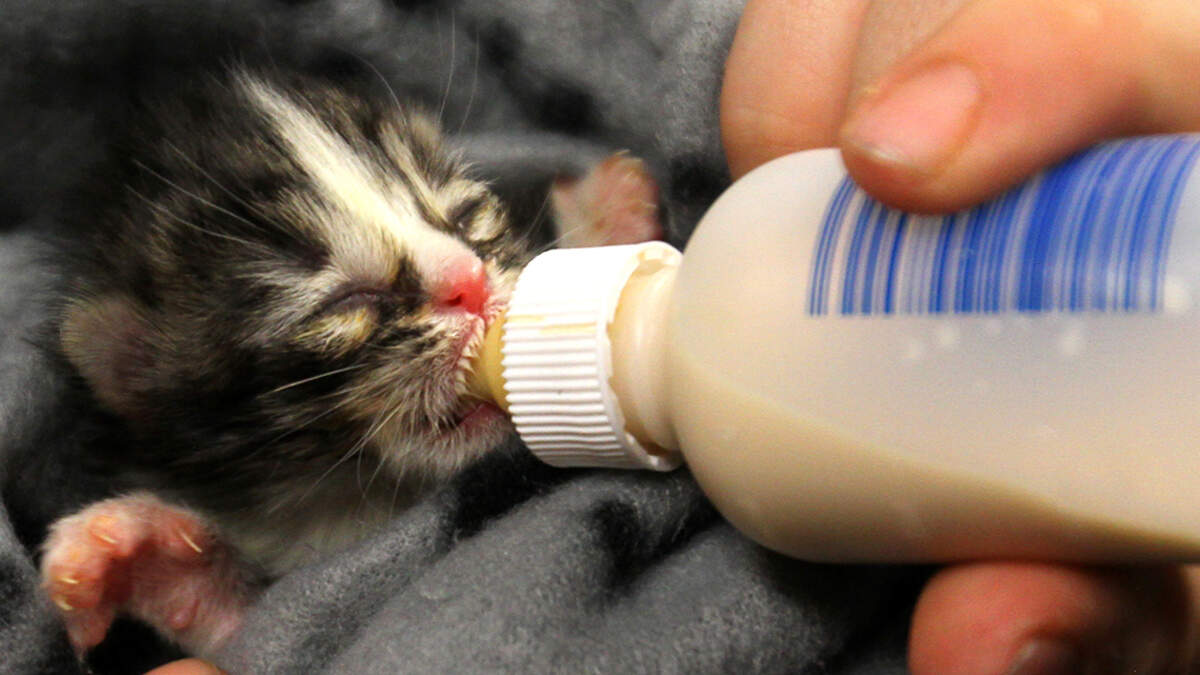
Angels’ clients now have to schedule animal care services a month to three months in advance, Less said. The non-profit shelter and clinic has six full-time veterinarians right now, but could use more.
“There’s such a demand for this. I could put on three more surgeons if I could find them,” she said. “We can’t serve all the people that want to use our business.”
Less said Angels for Animals is paying those veterinarians “a lot more than most non-profits,” but it still sometimes isn’t enough to keep the interest of out-of-area veterinarians.
The median salary for veterinarians in Youngstown is $95,296, according to Salary.com. In northeast Ohio, it’s $93,720, according to ODJFS.
Less said even though there are fewer hands to care for animals at the shelter and in the community, she believes the quality of care for animals they treat has not declined.
“We can’t cut corners. … That’s not acceptable,” she said. “[Shelter animals] are always going to be first to us, but we want to provide care for animals out in the public, too.”
This story was originally published March 31, 2022 at 5:00 AM.