
Youngstown’s history of steel created a health crisis for people of color, activists say
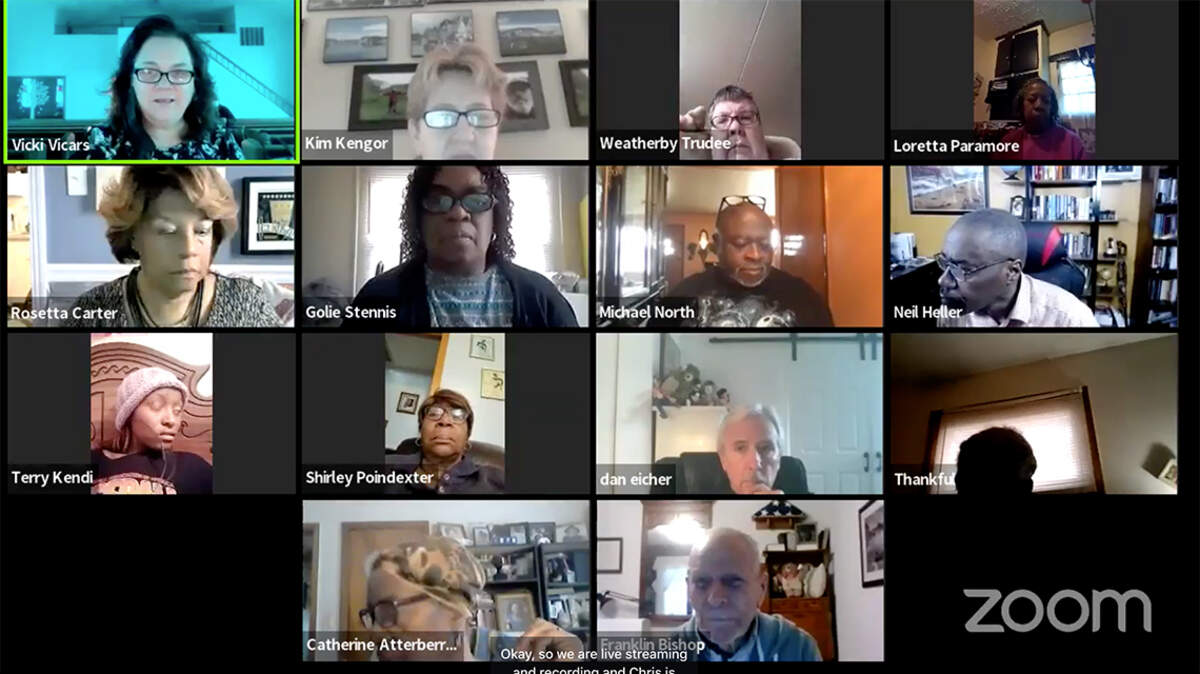
Youngstown’s long history of steel manufacturing has created a modern environmental and racial public health crisis for low-income communities and people of color, local environmental activists said.
Air pollutants and ground and water contamination from the city’s steel mills still impact the health of minority and low-income communities — years after they’ve all closed down.
Community organizations like ACTION — Alliance for Congregational Transformation Influencing Our Neighborhoods — are working toward climate change and equitable clean energy legislation and racial equality for people of color in polluted communities.
More than 40 people participated in a Ohio Climate Justice Fund and ACTION public forum Saturday morning, to learn about local clean energy jobs and public health and environmental justice issues.
After the Valley’s steel labor force began growing in the early 1900’s, and the city’s population also grew from 30,000 residents in 1890 to more than 170,000 by 1930, according to an April report from the nonprofit Architectural League of New York.
The population growth stemmed from European immigrants from Italy, Poland and Hungary, and a large African-American community that moved north from southern states, the report states.
Non-renewable energy sources used in steel mills and factories such as oil, coal and natural gas have created air pollutants and still contaminate water in communities all over the Mahoning Valley, said Chris Tennant, Northeast Ohio’s regional director for the Ohio Environmental Council.
“We have particles that cause breathing and respiratory issues” — largely for those who live near those factories, he said. “We’re removing the dams in the Mahoning River right now, so that we can clean up the river that’s been so polluted because of all the factories that used to use those dams.”
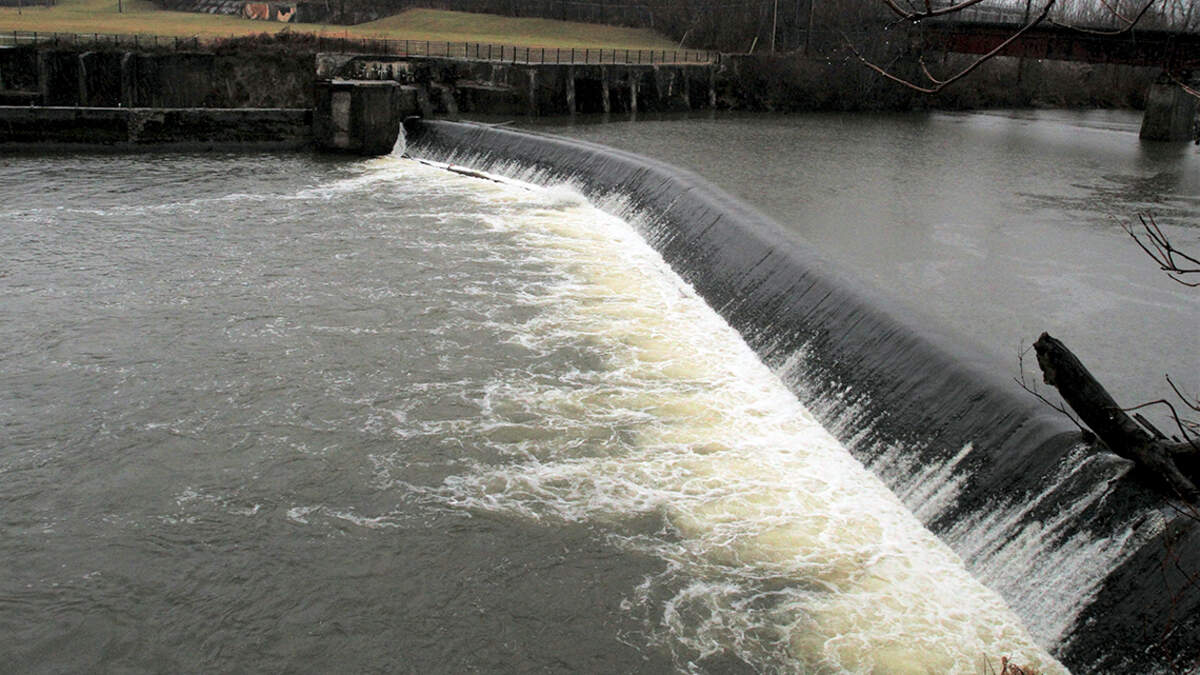
Almost every city in Youngstown has at least one dam that was once used for industrial cooling water and as a release point for effluent, the league reported.
“From the factories that have been here for so long, a lot of the chemicals that made their way into the ground, the air we breathe and the water we drink,” Tennant said.
Tennant said the majority of the people who resided near the steel mills were people of color.
“My grandfather was almost forced to work in the [steel] mill where there was asbestos,” he said. “For years until the day he died, he suffered from chronic obstructive pulmonary disease. … It disproportionately hit the Puerto Rican community that he was a part of.”
Tennant said redlined housing maps identified Black and Latino neighborhoods as undesirable and unworthy of housing loans, which allowed manufacturing companies to settle in those communities, adding toxins into the air that still harm communities today.
“There’s factories that were purposely placed in communities that were less desirable — those were Latinx and Black communities,” he said.
Warren was one of the first locations in the country to begin manufacturing cars, and was home to the Packard Motor Car Company, the league reported. The area has also been known for its industrial production of iron and ammunition for the Union Army during the American Civil War, and later, steel.
Though American policy is now shifting toward clean energy jobs, Tennant said that sector’s workforce faces diversity challenges.
He said less than 10% of America’s clean energy jobs are done by Black workers, citing a 2020 editorial from Energy News Network. Nationwide, 13% of Americans identify as Black, according to the network.
As more people become aware of the benefits behind renewable energy, more jobs will be available for people in Ohio, Tennant said.
“For so long, we’ve been so set on using natural gas and coal, and these non-renewable forms of energy,” he said. “Now that we’re more aware, there’s going to be more jobs.”
U.S. House Bill 429, the Energy Jobs and Justice Act, would invest in workforce development for renewable energy jobs and reduce historical barriers faced by workers and contractors who are people of color.
“There are certain pieces of legislation that are making their way through our state government to increase the amount of wind turbines and solar use [in Ohio],” Tennant said. “This is going to be an industry that can take us to the next level.”
ACTION organizer Vicki Vicars said the organization was awarded a $28,000 grant through the Ohio Climate Justice Fund to host two more community conversations to continue the discussion on clean energy and environmental justice.
“This impacts our lives because lead poisoning and pollution is something that really impacts the quality of life for people in the Valley,” Vicars said.
The last two conversations will take place at Christ Centered Church, 3300 Hudson Ave., Youngstown, from 6 to 8 p.m. Feb. 8, and at Saint Edward Catholic Church, 238 Tod Lane, Youngstown, from 6 to 8 p.m. March 10.
The conversations also will be available via Zoom. Click here to register. For more information, contact Vicki Vicars at vicki.vicars@actionoh.com. Participants who return a survey will receive a $20 gift card as a token of appreciation for their time.