
4 facts about Ohio childhood health, vaccines ahead of back-to-school season
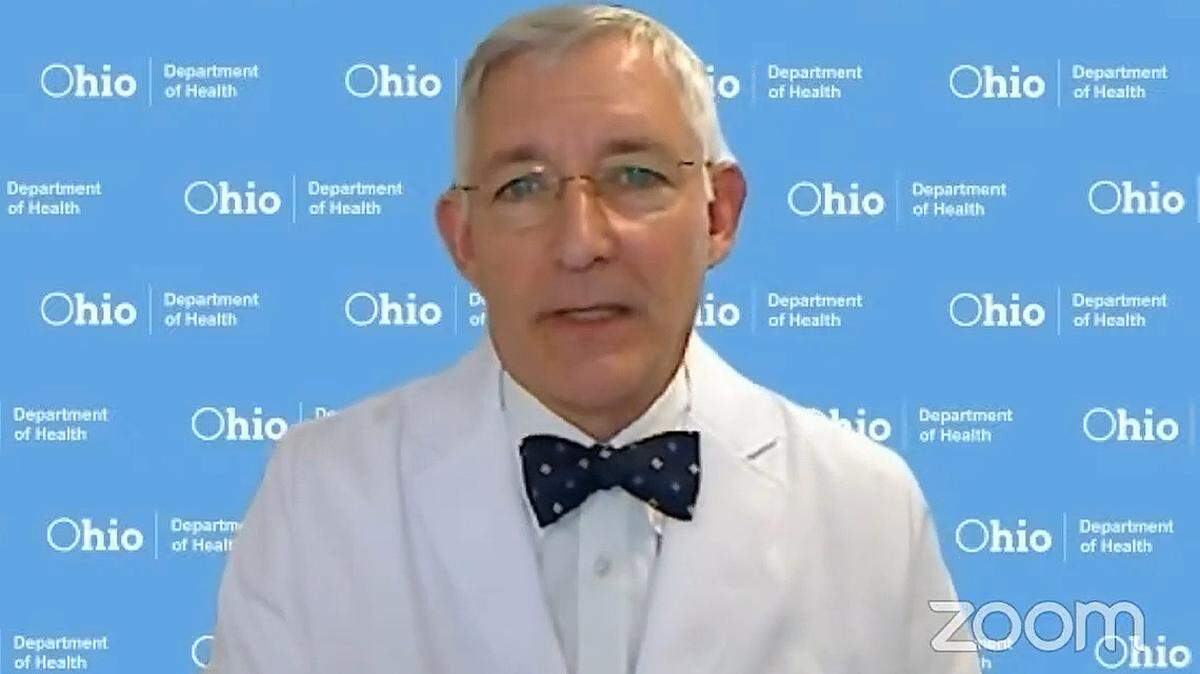
Here are four takeaways from the Ohio Department of Health’s Thursday press conference on back-to-school vaccines and other health issues.
10% of Ohio kindergartners are not fully immunized
In 2017 and 2018, as many as 95% of children signing up for kindergarten in Ohio were fully vaccinated, according to data from the Ohio Health Department.
But this year, it’s closer to 88% of incoming kindergartners in Ohio who are fully vaccinated, leaving as many as 10% not fully vaccinated, according to Vadnerhoff.
Vanderhoff discussed the likelihood that people are more wary of vaccines after the COVID-19 pandemic.
“We respect that people have questions about childhood vaccines and we encourage people to talk with their provider about the risks and benefits of vaccinations,” said Vanderhoff. “But the science is very clear on the safety and effectiveness of vaccines.”
The state records students who have the following vaccines on file with their doctor’s office as fully vaccinated:
- DTap, which protects against tetanus and whooping cough
- Polio vaccine
- MMR, which protects against measles, mumps and rubella
- Hepatitis B vaccine
- Varicella, which protects against chickenpox
“The fact is that vaccines substantially reduce your risk of developing numerous serious illnesses and are very practical, important health interventions we all can trust,” said Vanderhoff. “Those of us in public health will continue to do as much as we can to educate Ohioans on the science and the importance of vaccines.”
Visit the CDC for further in-depth information about each vaccine.
A new vaccine protects infants from getting RSV
According to Vanderhoff, this week, the US Food and Drug Administration approved nirsevimab to protect newborns and toddlers against the respiratory syncytial virus or RSV.
It’s the second approved antibody medicine to protect against RSV; there aren’t any other widely available vaccines, except RSVpreF, which hasn’t been approved yet.
“RSV is a serious respiratory virus that flared up in your record numbers last fall here in Ohio and which nationally is the leading cause of hospitalization in infants under one year of age,” he said. “The shot is a monoclonal antibody which provides passive immunity much like the passive immunity a baby might get through mother’s [breastfeeding]. The RSV shot is given as a single injection to an infant for RSV season, which usually peaks in the fall and winter months.”
There’s also palivizumab, another antibody-like nirsevimab, but physicians are only giving it in severe cases to most at-risk, vulnerable children born prematurely, according to CNN.
Learn more about nirsevimab at American Academy of Pediatrics news online.
The risk of dying from measles is higher than the potential to win Powerball
According to Douglas Harley, President of the Ohio Academy of Family Physicians, vaccine hesitancy between patients and their providers can be overcome by simply talking and asking questions.
“We really need to start talking about the diseases that unfortunately, a lot of parents haven’t seen in years... like measles or polio,” said Harley. “But they’re still present. One of the things that has changed recently around COVID-19 is vaccine hesitancy. It has risen a little bit more than what it used to be... Your risk of death with measles, even though people haven’t seen it for years, is still about one in 1,000. Your risk of dying from measles is way higher than your potential risk of Powerball. But everybody always thinks, ‘Well, I’m going to be the one that wins the Powerball and you’ll run out and buy your ticket. I think we have to play the odds and the odds are definitely in our favor for vaccines.”
Learn more about the MMR vaccine here.
E-cigarettes are used by 1 in 4 in high school, 1 in 10 middle school
Dr. Sara Bode, a school health physician, shared about the link between students’ health, attendance and overall success in school.
“You cannot go to school every day and be successful if you’re not healthy,” she said. “We know their education is critical. We need them to be attending school and meeting their academic potential, as well. So we really emphasize this healthy start school.”
According to Dr. Bode, half of the students that miss even just four days during the first month of school are likely to miss a total of a month through that school year.
“That early start and coming on the first day, every day, that first month of school right from the beginning is just critical,” she said. “When we see kids for back to school and getting them ready for healthy start to school, immunizations are critically important to that to make sure they’re up to date.”
She also encouraged parents to talk to their kids about the increase of students using e-cigarettes in middle and high school.
“We know that about one in four high schoolers and about one in 10 middle schoolers have actually already used e-cigarettes, typically flavored tobacco products,” said Dr. Bode. “If you’re [reading] right now, your teen already knows someone who has used this. They’ve seen it, been around it, and so this is a topic we really need to address.”
Read about risks of using electronic smoking devices.
CONNECT WITH US
WEB SITE ► https://www.mahoningmatters.com
DAILY NEWS EMAIL ► https://www.mahoningmatters.com/customer-service/newsletter-signup/
FACEBOOK ► https://www.facebook.com/mahoningmatters
TWITTER ► https://twitter.com/mahoningmatters
YOUTUBE ► https://www.youtube.com/@mahoningmatters2814
INSTAGRAM ► https://www.instagram.com/mahoningmatters
SUPPORT US ► https://givebutter.com/vNfzEW
This story was originally published July 20, 2023 at 9:37 AM.