Incineration of toxic ‘forever chemicals’ must stop in East Liverpool, per moratorium from Congress
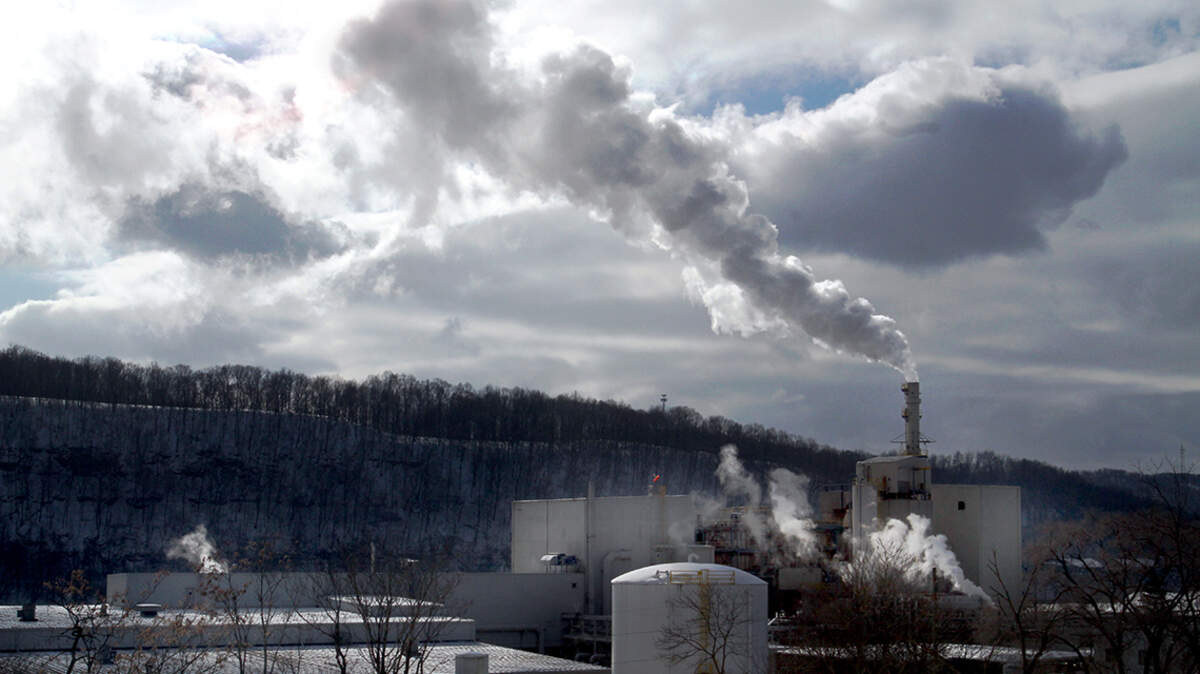
A hazardous waste incinerator in the city is one of several sites across the country that must stop burning material containing toxic chemicals known as PFAS, under a moratorium enacted late last month by the U.S. Department of Defense.
The most recent National Defense Authorization Act required the Defense Department to stop incinerating material containing per- and polyfluoroalkyl substances, or PFAS, after April 26, until it finalizes new guidance for their safe disposal, according to a department memo issued last month.
The more than 30-year-old incinerator along Saint George Street in East Liverpool, operated by Heritage Thermal Services (formerly known as WTI), has been federally contracted to burn aqueous film forming foam, or AFFF, which was used as a firefighting tool by the U.S. military and at airports and industrial sites nationwide.
But that foam contains PFAS, which are colloquially called “forever chemicals” because they don’t break down in the environment, and instead contaminate water sources and accumulate in fish and wildlife.
PFAS “can be linked to higher rates of certain cancers, higher cholesterol levels, suppressed immune systems, fertility issues in women, and weakened antibody responses to vaccinations among children,” according to the U.S. Centers for Disease Control and Prevention.
When asked by Mahoning Matters whether PFAS incineration has stopped at the East Liverpool site, spokespersons for the Department of Defense did not directly respond.
Congress in 2019 required the Defense Department to ensure all PFAS were incinerated at the proper temperature to reduce toxic air emissions. But it’s unclear what that temperature is.
Attorneys for nonprofit environmental law firm Earthjustice sued the Defense Department in 2020 on behalf of local activists and the Sierra Club, one of the nation’s largest environmental advocacy organizations, arguing that the Defense Department can’t know whether the foam is being disposed of safely at the East Liverpool site, Mahoning Matters reported in February.
Earthjustice attorney Jonathan Kalmuss-Katz told Mahoning Matters last week the moratorium doesn’t have a direct impact on the lawsuit, which is now before Ohio’s Northern District federal court. The court will next decide whether to rule on several motions — including separate motions to rule in either party’s favor — or set oral arguments, he said.
“Congress ordered the Department of Defense to stop incinerating firefighting foam and other wastes containing PFAS, and it did so because [the department] had not been complying with prior congressional directives relating to the incineration of that waste,” Kalmuss-Katz said. “The key question is: ‘What comes next?’”
The Defense Department must now decide whether to take this opportunity to investigate other developing disposal methods, he said.
A bipartisan letter signed last month by several Ohio congressional delegates urges leaders of the House’s defense appropriations subcommittee — of which Valley Rep. Tim Ryan of Howland, D-13th, is a member — toward developing safer disposal methods.
“These PFAS substances have contaminated soil, groundwater, surface water and drinking water supplies and have been linked with serious health issues. Although Congress has provided funding to address PFAS, to date, little focus has been on deploying technologies that can destroy large volumes of aqueous waste containing PFAS. Ultimate, complete destruction of PFAS is necessary to remove these chemicals and eliminate the significant public health risks and financial liability they pose,” reads the April 28 letter signed by Ohio U.S. Reps. Joyce Beatty, D-3rd; Mike Carey, R-15th; Michael Turner, R-10th; and Anthony Gonzalez, R-16th, as well as Reps. Richard Hudson, R-North Carolina, and Bill Foster, D-Illinois.
“PFAS is a national problem affecting communities, states and the federal government, with frustrations growing regarding lack of action to remediate and destroy PFAS from our environment,” the letter continues. “With increasingly more limited means of disposing of PFAS waste, the importance of destroying PFAS and not merely transferring it from one media to another has grown significantly.”
The letter asks the appropriations committee to direct the Defense Department to use funding to be appropriated for 2023 on existing disposal methods, other than incineration, to destroy PFAS waste on-site, rather than allow it to pile up during the incineration moratorium.
One such method is supercritical water oxidation, the so-called “PFAS Annihilator” developed by the Columbus-based research and development nonprofit Battelle.
It uses superheated water to break PFAS down into smaller molecules, ultimately turning the destroyed material into sodium fluoride or sodium sulfate, according to a December report from Chemical & Engineering News. After some of the salts are removed, the material would then be released at low levels in treated water, according to Battelle.
The U.S. EPA found the process can destroy more than 99% of PFAS from the disposed firefighting foam, but more research is needed on its air emissions, the other hazardous byproducts it could create and maintenance costs, CEN reported.
The final defense funding act included $15 million for the Defense Department to develop PFAS destruction technologies, according to the congressional letter.
___
Mahoning Matters correspondent Diana Kruzman contributed to this report.