
‘Everyone has a reason’: Mahoning drug court offenders are often victims themselves, police say
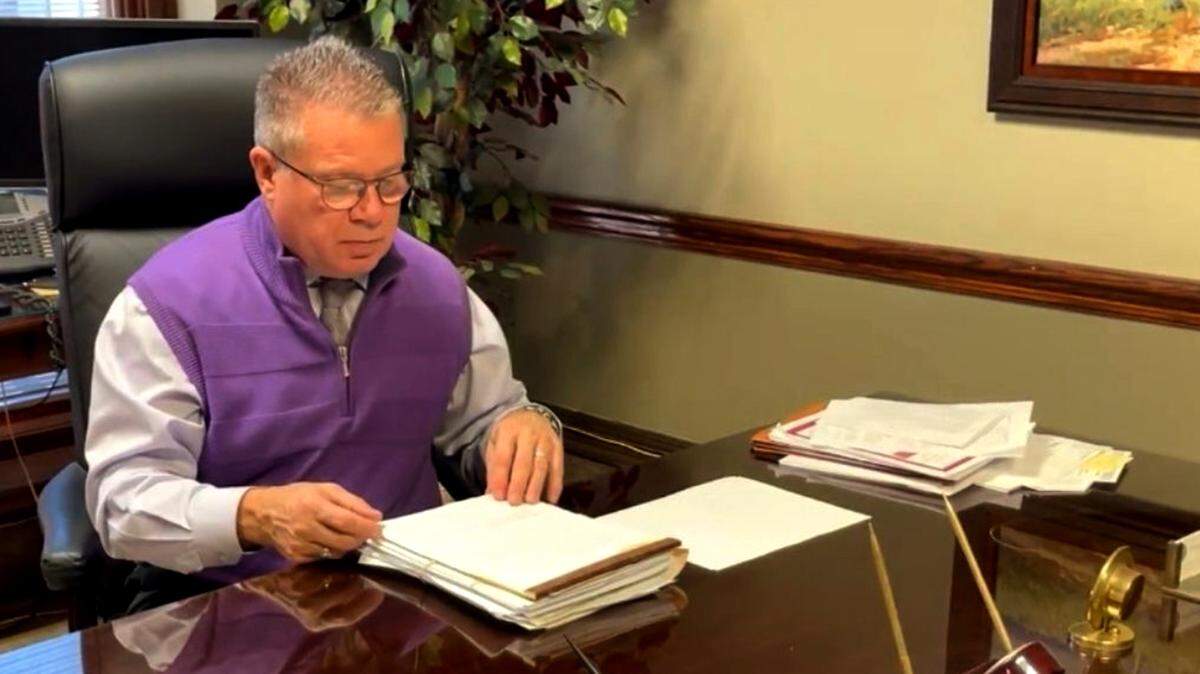
Investigators go “wherever the evidence leads them” to complete a case, said Youngstown Police Department Capt. Jason Simon.
And when drugs are involved, sometimes that evidence shows the perpetrators are themselves victims of the lifestyle, justice officials said. That’s where Mahoning County’s specialized docket for nonviolent drug offenders comes in.
“There are always two sides to every story, and we want to know what those sides are. … Everyone has a reason for what they do,” Simon said. “There are cases where someone will say, ‘Yeah, he owed me drug money and I killed them,’ or ‘I’m stealing all of this money to feed my drug habit.’”
Patrol officers often work with little information at crime scene and cannot make assumptions about whether a subject is a crime victim or not. Simon works with the victims, suspects, witnesses and police to gather evidence and additional information to come to a resolution on each case.
Simon said when investigators handle cases in which victims of circumstance commit a drug-related crime, they look for “affirmative defenses” from victims — where they claim they were acting in self-defense, or they were entrapped or under duress. If victims can prove those things, their criminal liabilities are thrown out, even if they can be proven guilty of a crime, according to the Cornell Law School.
“They still committed the crime and it still happened, but they have an affirmative defense which is a legal avenue for them,” Simon said. “They [could] have a way legally to get out of their crime.”
Simon said investigators will do everything they can to help a person toward recovery. He said the investigators work with court-appointed programs — like Mahoning County’s drug court — to provide different avenues for drug offenders.
“If we can try and get these people a high school degree or employment, generally this keeps them out of a life of crime, but they must want that,” he said. “Usually, it’ll be a breaking point that they come to, and they realize they need this in their life, or they are done for.”
‘They just wanted me to get some help’
A notably high number of violent crimes in Youngstown have a connection to drugs, according to Simon.
Ohio’s drug crime rate increased 58.5% between 2004 and 2014, but mostly for possession, the Office of Criminal Justice Services reported.
More than 26% of respondents who reported using alcohol, cannabis and cocaine in a 12-month period also reported committing a violent crime in the same time frame, according to the American Addiction Centers and the U.S. Department of Justice.
“There’s a high percentage of [violent crimes] that are linked to narcotics in this area. ... There’s not a way to 100% prove that,” Simon said, but he added investigators often know when victims are in the drug trade.
When a person is arrested on the street, they are brought into the detective unit for questioning. Simon said investigators normally review the interactions between the victims and suspects — called “victimology” — to gather evidence.
“We [investigate] their background, family relationships, support systems. … That’s important to us,” he said. “There are suspects in cases where they commit an act of violence, but it’s like a defensive act because of the situation that they’re in.”
Denise Raub, a 32-year-old Poland woman who started abusing prescription drugs as a teen and is now in the final phase of Mahoning County’s drug court, said law enforcement and investigators knew she was not “a bad person or a hard criminal because of her drug addiction.”
“It wasn’t about punishing me. They just wanted me to get some help,” she said.
However, Leila Rood, 20, of Salem, who’s also working toward graduating from drug court, said she never felt respected when telling her side of the story to police.
“I was always the bad guy, which I kind of was, but they never took my side into consideration,” she said. “I was always wrong for what I did.”
But now, if Rood gets pulled over by police or encounters law enforcement, she said she is no longer fearful.
“When I was using, I would run [from the police],” she said. “Today, If I get pulled over, I’m not terrified.”
County prosecutors also work closely with drug suspects and victims to determine the appropriate charge for drug-related offenses and find credible evidence related to the crime.
Though most drug courts have a dedicated public defender working to find eligible cases, Mahoning County’s does not. This makes it hard to get the right drug offenders into the program,said Amy Klumpp, drug court coordinator.
The drug court collaborates with a Mahoning County prosecutor to identify individuals who seem appropriate for the program, she said.
“It’s still a voluntary program,” she said. “We have private attorneys who sometimes think it’s too hard for them and don’t even offer it to people, whereas other counties have the public [defenders] to help them.”
‘The best part of my job’
Working alongside those offenders is Mahoning County Common Pleas Court Judge John Durkin, the longest-running original drug court judge in Ohio. That status helps drug offenders feel respected and that they’re being treated fairly, Klumpp said.
“It’s like coming to see their dad. … He listens to them,” she said. “He makes it [a priority] and has a gift to recognize different things and get to know them.”
Judge Durkin said when he took the bench in 1996, his main promise was to establish a drug court in the county to reduce the high amount of drug use in the region.
“I was able to put the key stakeholders in place to establish what would be the second drug court in Ohio [at the time],” he said. “We now have well over 100 [in Ohio], and it has been the best part of my job.”
Only 10% of the drug court’s graduates have been charged with a new criminal offense, according to the drug court website. The recidivism rate for drug courts nationwide is more than 30%.
Almost all drug offenders in drug court have been victimized in circumstances beyond their control, which led them to substance use, Judge Durkin said. Many drug offenders have extensive trauma from romantic or familial relationships that are associated with drugs.
“Those who are with someone who’s making a lot of money; they are attracted to the lifestyle — money, cars, clothes and attention — and with that most of the time comes drug use,” Judge Durkin said.
This story was originally published April 18, 2022 at 5:00 AM.