
Mahoning Valley air quality back to ‘very unhealthy’ levels
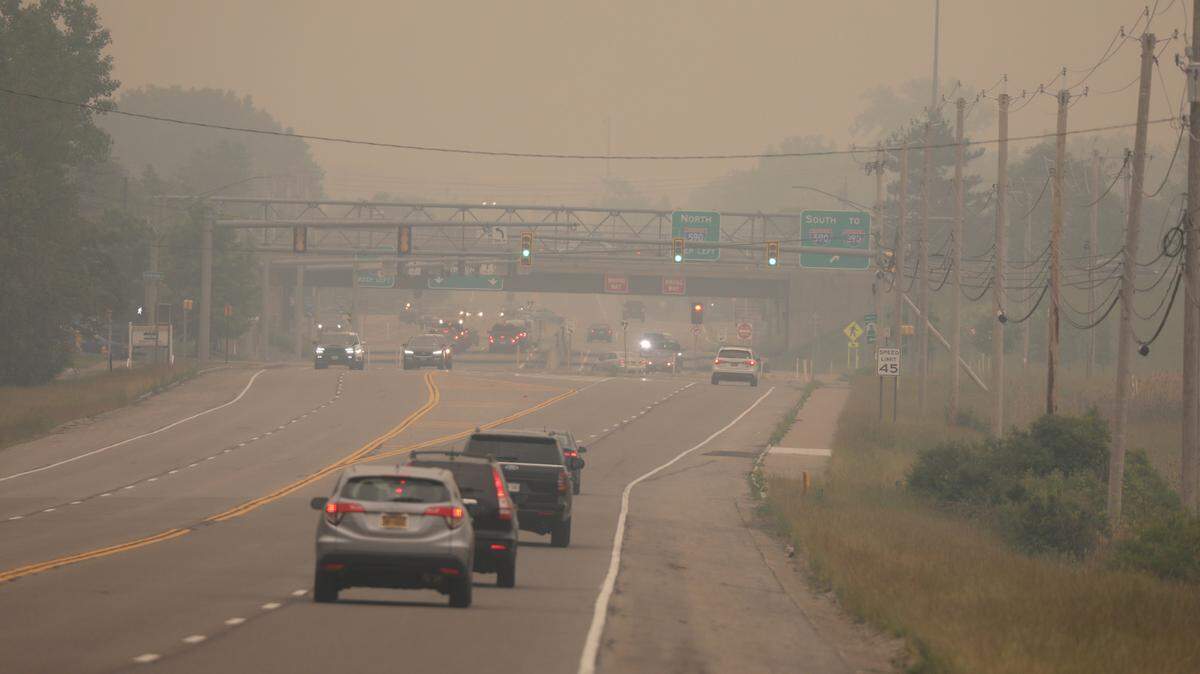
How bad is the air residents are breathing in Youngstown and surrounding areas like Warren?
According to an online air quality converter, staying outside for 12 hours in Youngstown today would be the equivalent of smoking at least three and a half cigarettes.
The current Air Quality Index in Youngstown is 214, as well as in Warren, both labeled as very unhealthy levels.
Staying outside for 12 hours in Warren today would be the equivalent of smoking at least three and half cigarettes, according to timely AirNow.gov data.
Who should be cautious?
According to AirNow.gov, people with heart or lung disease, older adults, children, and teenagers should reduce exposure to unhealthy air quality levels. The air quality is dangerous for all groups of people, not just these groups.
It’s best to avoid strenuous outdoor activities or keep outdoor activities short and consider switching to an indoor workout for these unhealthy air quality days.
Check the current air quality levels before deciding to change plans. Tomorrow it’s expected to be unhealthy for sensitive groups like people with asthma, but otherwise returning to normal by the weekend.
How can you stay safe from wildfire smoke?
The most important precaution is to limit outdoor activity, especially outdoor exercise, and spend more time indoors.
Other precautions include:
- Spend time in a room you can close off from outside air.
- Avoid using candles, gas, propane, wood-burning stoves, fireplaces, and aerosol sprays.
- Smoking tobacco products and vacuuming may worsen indoor air pollution.
- If you have a central air conditioning system, use high-efficiency filters to capture fine particles from smoke. If your system has a fresh air intake, set the system to recirculate mode or close the outdoor intake damper.
- Stay hydrated by drinking plenty of water.
- Running a humidifier may provide relief if your eyes, nose, or throat are irritated.
What do we know about the Canadian wildfires?
According to AccuWeather forecasters, Canada is officially in the middle of its worst wildfire season on record as fires continue to burn out of control across the country with little relief in sight.
Thick smoke flowing south from the wildfires continues to dim the sun in portions of the northern United States, where air quality will be poor in spots for at least several more days.
According to the Canadian Interagency Forest Fire Centre, which maintains records on the number of fires and the amount of land burned in the country, a new record for acres burned was established on June 24.
Over 19 million acres of land have burned so far this year, surpassing the previous record of 17,559,303 acres from 1995. An average of 330,000 new acres of land has been burned daily across the country since May 1.
Overall, Quebec has the most land burned so far this season, with over 6.3 million acres, according to CIFFC.
Officials responded to 89 fires in Alberta, the most of any province in the country, with Quebec not far behind at 81.
“When the 2023 wildfire season is over, it will obliterate all other years in terms of area burned, since we still have July, August, September and October to go,” said AccuWeather Senior Meteorologist and Canada Weather Expert Brett Anderson.
How did the Canadian wildfires start?
Of the 53 new fires started at the beginning of this week, 39 were started by natural sources, primarily lightning, according to the agency’s National Fire Situation Report.
Humans caused eight, and six more were started by an unknown source.
“About half of all wildfires in Canada are caused by lightning, [a figure] which is growing,” said Anderson. “The number of human-caused fires is declining, mainly due to improved fire prevention.”
Zenger contributed to this story.
----------------------------------------------------------------------------------------
(EDITOR’S NOTE: Get the latest Mahoning Valley news in your email inbox weekday mornings. Sign up here for our free daily newsletter.)
-----------------------------------------------------------------------------------------
Here’s how you can support Mahoning Matters.
-----------------------------------------------------------------------------------------
Follow Mahoning Matters on Facebook, Twitter and LinkedIn.
This story was originally published June 29, 2023 at 11:31 AM.