
Investigating high cancer rates in Mahoning Valley
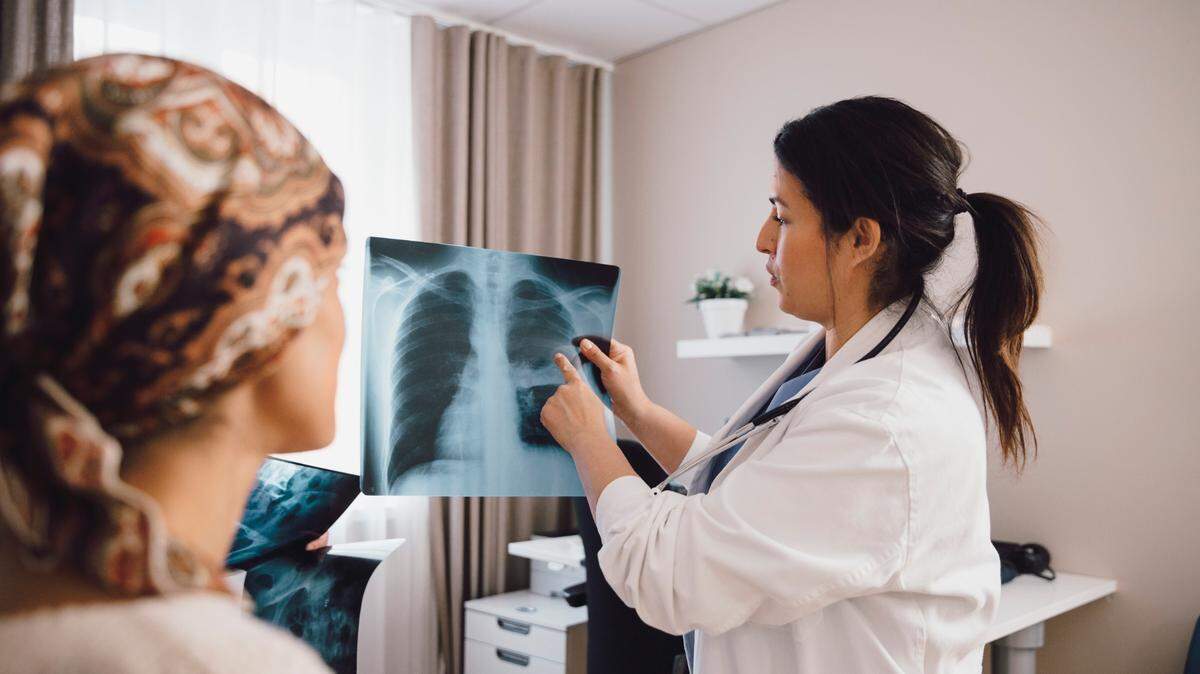
According to reports analyzing CDC data, Mahoning, Columbiana, and Trumbull Counties have the highest cancer rates in Ohio.
Dr. Carl Peterson III, medical director of Mercy Health Youngstown’s oncology service line, explained some potential reasons and tips for prevention.
Dr. Peterson also details the expansion of care for cancer patients and how doctors are working together to provide
What does data show nationally and in Ohio?
According to Dr. Peterson, cancer rates are increasing generally across the United States and North America.
“Unfortunately, the state of Ohio carries a higher per capita cancer risk than many other states in the union, and the mortality rates in Ohio tend to be statistically higher than other areas in the Midwest and other areas of the country,” said Dr. Peterson.
Patients in Mahoning, Trumbull, and Columbiana regions are developing different variations of cancer at higher-than-average rates.
“If you look at those statistics, there are certain types of cancers, particularly prostate cancer, where the per capita rate is far higher in our region than in other areas in Ohio, which is already higher than in many other areas of the country. Certain diagnoses carry a high prevalence in our region.”
The most prevalent cancers include liver and pancreatic cancer, organs connected through bile ducts, and lung and breast cancer.
Why are cancer rates so high in the Mahoning Valley?
Lifestyles and the Valley environment all have a hand in why the cancer rates are high in the region, according to Dr. Peterson.
“In an industrial center or previously active industrial center, the risk of malignancies is higher,” he said. “We all can agree with that. There’s data that describes that cities falling into areas where there’s heavy industry or previously heavy industry have higher rates of certain malignancies, particularly lung cancer. Compared to certain national averages, the Mahoning, Trumbull and Columbiana counties do fall under that veil. That’s unfortunate because we have environmental exposures from previous industries, but we’ve also had a lot of economic turmoil in our region in recent decades.”
Lifestyle choices also significantly affect the risk of cancer for Mahoning Valley residents.
There are four basic lifestyle factors studied by the American Cancer Society: cigarette smoking, excessive drinking, physical inactivity, and obesity.
“Physical inactivity is unbelievable in the Mahoning Valley; between 30 to 35% of patients are physically inactive compared to the low 20s nationally and somewhere around 26% in Ohio,” said Dr. Peterson.
The Ohio Department of Health research shows high rates of cigarette smoking, obesity, and physical inactivity relate to our cancer risk.
“Risk factors for cancer are framed by the region we live in, but primarily driven by individual choices,” said Dr. Peterson. “We all can improve on these. It’s not just the multidisciplinary cancer care and use of high technology, radiation and chemotherapy procedures that we do that changes outcomes. It’s about helping individuals manage their individual risk and their wellness. It has to be done in a non-judgmental way.”
What can people do to reduce the risk of cancer?
People can reduce further risk of developing cancer by making healthy choices like eating right, staying active, and not smoking.
“We all need to look at ourselves individually, our family and our society and think about how we can increase cancer risk with our own choices too,” said Dr. Peterson.
Try and increase physical activity to stay healthy and incorporate a Mediterranean diet.
“If you transition to an exercise program where you exercise 250 minutes per week, you are statistically more likely as a cancer survivor to live longer,” said Dr. Peterson. “Preventative care starts with your own decisions.
Regular screenings and listening to suggestions from primary care providers can help reduce the cancer risk.
“There are certain times and points in your life when you need to go get screened,” said Dr. Peterson. “Do what the American Cancer Society says and go to your primary care provider. Do what your PCP says regarding screening. The idea is very simple to state But it’s very difficult to put into practice, because it involves lifestyle change, and it involves compliance in our busy life.”
How have resources and cancer care services expanded?
Doctors treating cancer patients collaborate with primary care doctors and other departments to treat patients’ overall wellness through physical therapy.
“The right way to look at cancer epidemiology is an evidence-based way,” he said. “The way that we treat cancer is as a cancer team, including screening detection and multidisciplinary treatment.
Mercy Health has expanded cancer care services in the Mahoning Valley to ensure patients have access to the necessary cancer care in their backyards.
“A lot of people don’t know this, but we provide some of the highest technology treatments available in the world right here in the Mahoning Valley,” Dr. Peterson said.
Highly-experienced doctors in oncology at Mercy Health look at patients’ treatment plans together as part of a tumor board.
“We all put our heads together to take care of those patients right here close to home, so you have all your neighbors looking after you in a state-of-the-art cancer care that’s literature and evidence based treatment. If you have a pancreas and liver tumor, and you have one of the best surgeons in the nation in here in the Mahoning Valley that’s going to be doing your pancreas surgery.”
This year, the Joanie Abdu Comprehensive Breast Care Center earned national accreditation.
“Expanding technology and organizing programmatically has been a paradigm shift at Mercy Health physicians and Bon Secours Mercy Health working with our community partners,” said Dr. Peterson. “I’m pleased to state that we offer state-of-the-art, chemotherapeutic and immuno-therapy services with academically-trained physicians and meshing well with our community partners who often attend our tumor board so that we can have that programmatic view on each organ system. I’m proud to provide stereotactic services at St. Elizabeth Youngstown Hospital right in our old steel town every single day to patients with lung, pancreas and liver cancers.”
CONNECT WITH US
WEB SITE ► https://www.mahoningmatters.com
DAILY NEWS EMAIL ► https://www.mahoningmatters.com/customer-service/newsletter-signup/
FACEBOOK ► https://www.facebook.com/mahoningmatters
TWITTER ► https://twitter.com/mahoningmatters
YOUTUBE ► https://www.youtube.com/@mahoningmatters2814
INSTAGRAM ► https://www.instagram.com/mahoningmatters
SUPPORT US ► https://givebutter.com/vNfzEW