Daylight saving time: When the clocks fall back, use these tips to adjust sleep routines
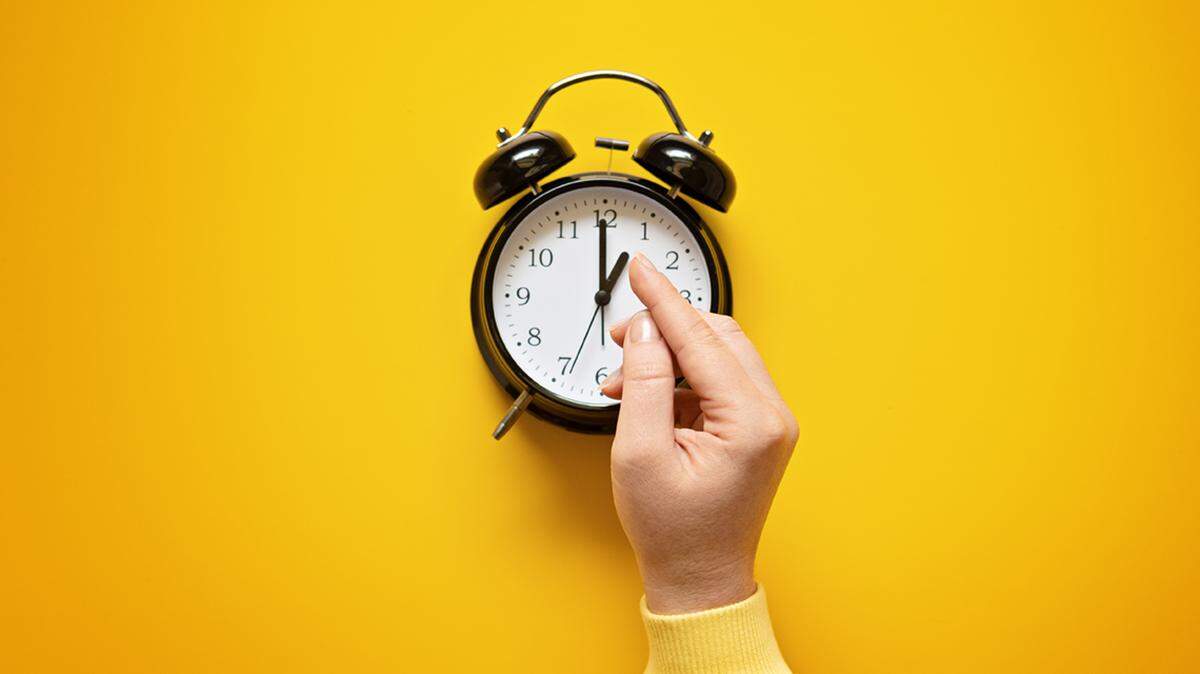
Do you have trouble falling asleep around the end of daylight saving time?
When it’s dark by dinner time, do you find yourself tossing and turning in bed?
Dr. Joseph Cataline, a sleep medicine provider for Mercy Health in Youngstown, explained the body’s fragile, natural circadian rhythm.
“Our bodies have an internal clock, our circadian rhythm, that tells our body when to sleep and when to wake up. This chemical rhythm develops from consistent schedules,” said Dr. Cataline.
He said a mild adjustment to the body’s natural schedule, like the clocks falling back one hour, can disrupt our sleep routines for weeks. That can leave us less motivated to get out of bed in the morning.
“Many don’t prepare for changes in daylight saving time, especially when the prospect of an extra hour of sleep seems like a benefit. However, our bodies still may not feel ready to sleep at a certain time if we don’t prepare for the change, which could make waking up more difficult,” said Dr. Cataline.
Here are a few things you can do to adjust your nighttime routine as the clocks fall back this Sunday.
Adjust your schedule
Start by going to bed 15 minutes later a few days before the time change.
Avoiding screens and dimming lights in the later part of the evening will help by prompting your brain to release melatonin, which initiates a sense of sleepiness.
Establish a regular, relaxing bedtime ritual
Being exhausted is not the same as being sleepy. Physical exhaustion requires time to relax and unwind, which should be done prior to heading to bed.
Exercise regularly
Even moderate exercise, such as walking for 30 minutes three times a week, can help you sleep better.
Just be sure you finish your workout two or three hours before the time you want to go to bed. Exercise raises body temperature which can interfere with falling asleep.
Wake up at the same time, even on the weekends
Even though you may not feel like getting up at the same time you would for work or school on a Saturday, a fixed routine helps your body regulate its sleep pattern and get the most out of the hours you sleep.
Exposing yourself to as much sunlight as possible during early morning hours also helps.
Avoid long naps
As luxurious as napping sounds, long naps can dramatically affect the quality of your nighttime sleep.
If you need to nap, try limiting it to 15–20 minutes in the late morning or early afternoon.
Watch what you drink and eat before bedtime
Avoid caffeine after 5 p.m. and if you are hungry, eat small snacks, not large meals.
While alcohol might make you feel sleepy, it also disrupts your sleep during the second half of the night.
CONNECT WITH US
WEB SITE ► https://www.mahoningmatters.com
DAILY NEWS EMAIL ► https://www.mahoningmatters.com/customer-service/newsletter-signup/
FACEBOOK ► https://www.facebook.com/mahoningmatters
TWITTER ► https://twitter.com/mahoningmatters
YOUTUBE ► https://www.youtube.com/@mahoningmatters2814
INSTAGRAM ► https://www.instagram.com/mahoningmatters
SUPPORT US ► https://givebutter.com/vNfzEW